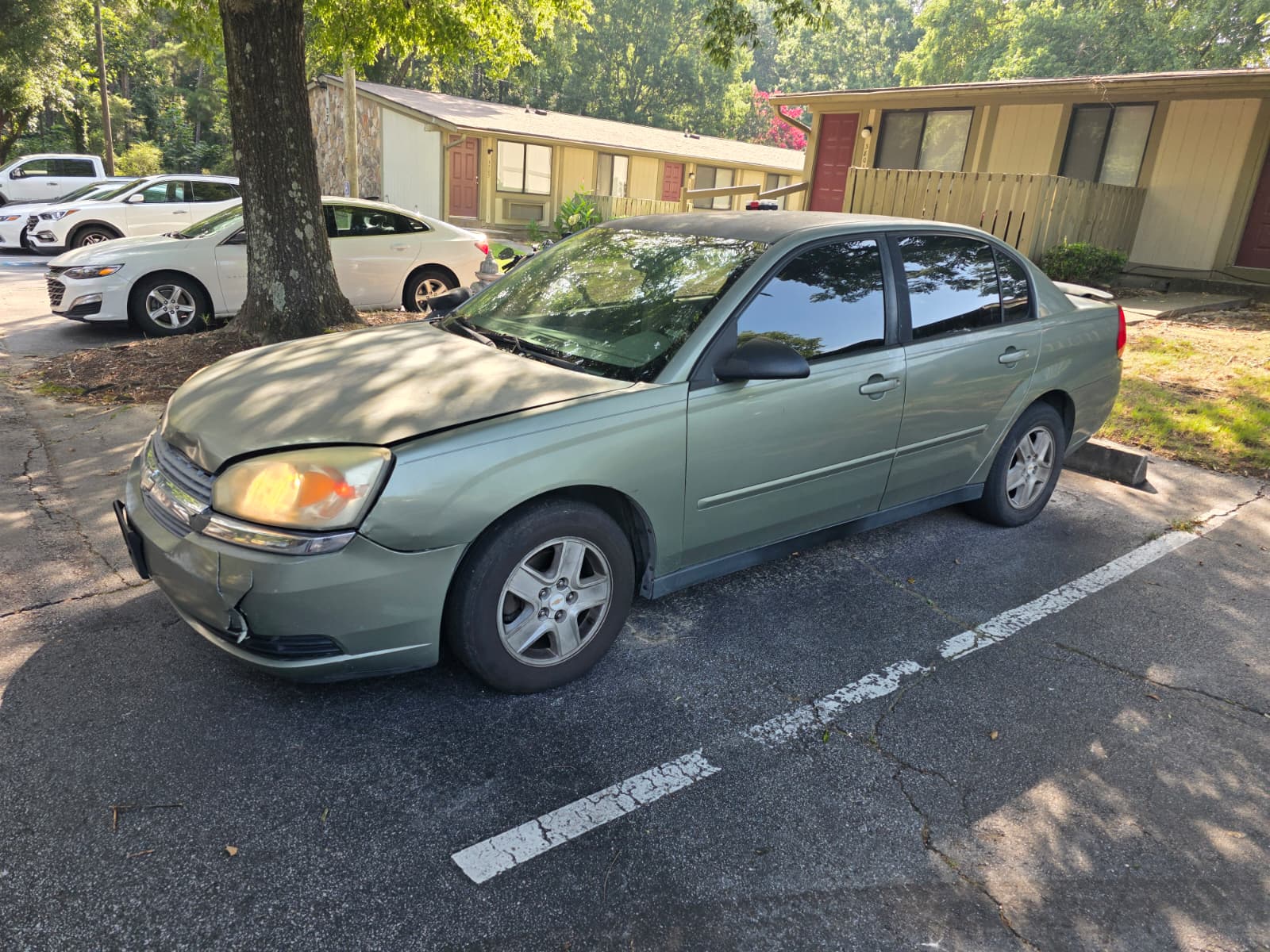
In Victoria, you cannot legally drive an unregistered car on the road for any period. However, if the vehicle is parked on private property, there is no specific time limit for how long it can remain unregistered. The critical rule is that the vehicle must be unregistered if it's not being driven. The moment you need to drive it again, even just to get it to a registration appointment, you must have it registered. Driving an unregistered vehicle attracts significant fines and penalties.
The typical process to get a car back on the road involves several steps. First, you'll need to get a Roadworthy Certificate (RWC) from a licensed vehicle tester if the registration has lapsed for more than three months. This certificate confirms the car is safe to drive. After obtaining the RWC, you can proceed to VicRoads (now part of VicRoads) to pay the registration and Compulsory Third Party (CTP) insurance fees.
The financial and legal risks of driving unregistered are substantial. The fine for driving an unregistered vehicle in Victoria is $925 (as of 2023-2024). You may also be fined for driving uninsured, as registration includes CTP coverage. If you're involved in an accident while unregistered, you could be personally liable for all damages and medical costs.
| Penalty/Fee Type | Cost (AUD, approx.) | Note |
|---|
| Fine for Driving Unregistered | $925 | Base fine, subject to change |
| Driving Uninsured Fine | $925 | Separate fine if CTP is invalid |
| Accident Liability | Potentially unlimited | Personal responsibility for damages |
| Roadworthy Certificate | $150 - $250+ | Cost varies by vehicle and mechanic |
| Registration Re-instatement | Varies | Based on vehicle type and registration period |
If your car is parked on private property, like a home garage or driveway, you can leave it unregistered indefinitely. Just ensure it's properly parked off the street to avoid any local council issues. The key takeaway is to plan ahead. If you know you won't be using the car, you can cancel the registration and potentially get a refund for the unused portion, which is a smarter financial move than letting it lapse and facing penalties later.