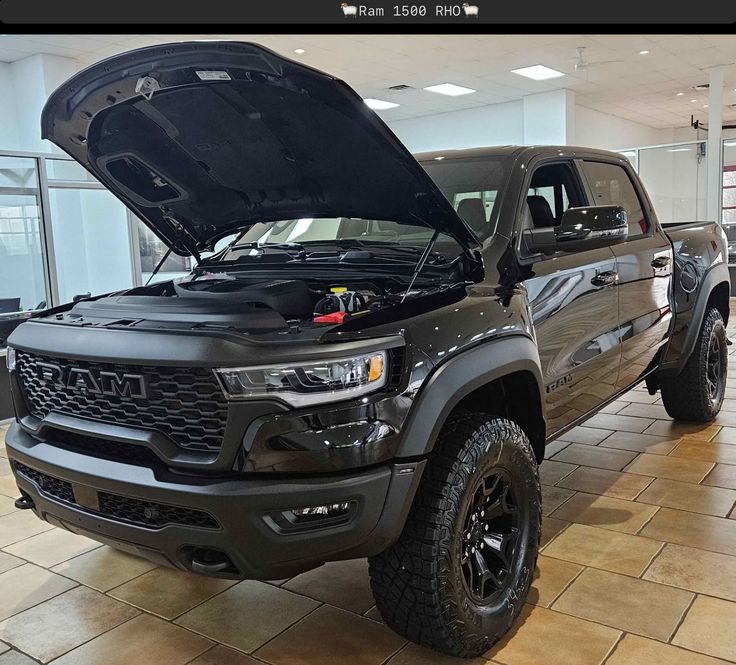
Car works by the ECU injecting fuel, and the high-voltage coil generates high-voltage electricity to supply the spark plug. The mixture of gasoline and air is then ignited by the spark plug's electrical explosion, pushing the spark plug to ignite, explode, and generate power. This power is transmitted to the belt, driving the wheels to rotate. The types and basic structure of cars are introduced as follows: Types of Cars: Cars are specifically divided into micro cars, small cars, compact cars, mid-size cars, large cars, and luxury cars. The comfort and spaciousness vary with the level and price. Everyone can choose a suitable car based on their financial situation and needs. Basic Structure of Cars: Cars are usually composed of four parts: the engine, chassis, body, and electrical equipment.

I'm particularly fascinated by how efficient powertrains work, operating like electric vehicles: the stores electricity and delivers it to the motor, which rotates to drive the wheels; without the hassle of burning gasoline, it's quieter and more eco-friendly. In daily use, you plug in to charge, and energy is stored; regenerative braking recovers braking energy, feeding it back into the battery to improve efficiency. An intelligent control system manages energy distribution, ensuring optimized performance across different road conditions. Compared to traditional cars, this reduces maintenance needs and operational noise, which I find quite practical, especially for worry-free long-distance driving.

I pursue sustainable transportation in my life, and the ideal car operation principle should avoid pollution, such as electric or hybrid models working collaboratively through batteries and motors. When the motor drives the vehicle, it achieves zero emissions, paired with an efficient energy system to control power consumption; solar or grid charging injects clean energy. I often share the concept of reducing resource consumption, and lightweight vehicle design also enhances energy efficiency, making driving not only comfortable but also promoting environmental protection, reducing carbon footprint to integrate into green living.

As an average user, I prioritize ease of operation and safety features: the vehicle's engine and powertrain work in seamless harmony, with the motor directly driving the wheels to minimize mechanical losses. Advanced safety systems like automatic emergency braking detect obstacles and respond instantly; sensors and onboard computers process real-time data to control the vehicle's movements and prevent accidents. Upon startup, it automatically adjusts power output, making daily commutes effortless, dependable, and error-resistant.

I am passionate about innovative technology-driven approaches: autonomous driving combined with AI systems that analyze camera and radar data to make path decisions; vehicle-to-infrastructure connectivity that optimizes navigation to avoid congestion. The electric drive unit operates silently and efficiently while background computing handles complex road conditions. Future developments include shared energy networks to enhance efficiency, and I believe this will transform the mobility experience into something smarter and more considerate.

I prefer cost-effective solutions: The simple structure of electric motors reduces operating costs, and the direct conversion of electrical energy into kinetic energy is more efficient than fuel. The control system manages energy flow to minimize waste; with improved charging infrastructure, becomes simple and economical. In the long run, enhancing durability and resource utilization, I am confident this delivers affordable and time-saving driving pleasure.