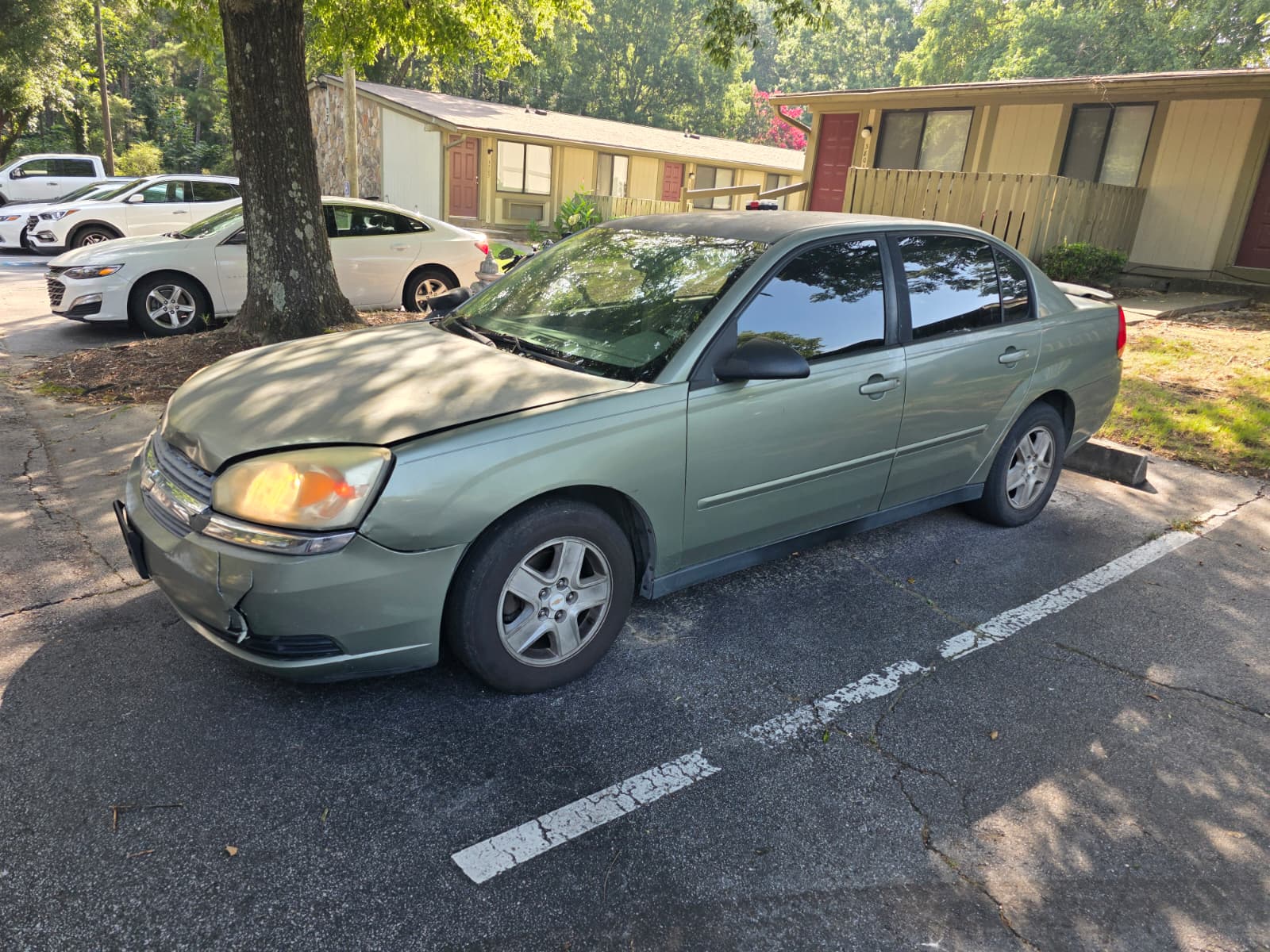
To get a title for your car, you'll need to apply through your state's Department of Motor Vehicles (DMV) or equivalent agency, providing documents like proof of ownership, identification, and payment for fees. The process varies by state but generally involves submitting an application, often after a vehicle purchase, inheritance, or lien release. Start by checking your DMV's website for specific requirements to avoid delays.
Why a Car Title Matters
A car title is a legal document that proves ownership. You'll need it for selling the car, registering it, or securing insurance. Without a title, you can't legally transfer ownership, so it's crucial to keep it safe and up-to-date.
Step-by-Step Guide
- Gather Required Documents: Typically, you need the current title (if applicable), a bill of sale, proof of insurance, your driver's license, and an odometer disclosure statement. For used cars, ensure the title is properly signed by the previous owner.
- Complete the Application: Obtain the title application form from your DMV. Fill it out accurately—errors can cause rejections.
- Pay the Fees: Title fees vary by state and can include taxes. Payments are usually made via check, card, or cash at the DMV office.
- Submit In Person or by Mail: Many states require in-person submission for verification, but some allow mail-in options. Expect processing times from a few days to several weeks.
- Receive Your Title: Once processed, the title is mailed to you. Keep a digital copy as a backup.
Common Scenarios
- Buying a New Car: The dealer often handles the title paperwork, but you should verify it's processed correctly.
- Paying Off a Loan: The lienholder should release the title; follow up if it doesn't arrive within 30 days.
- Inheriting a Vehicle: You may need a death certificate and court documents to transfer the title.
Supporting Data on Title Processes
Here's a table with sample data from various states to illustrate fee ranges and processing times. Always check your local DMV for the most current information.
| State | Title Fee | Processing Time (Weeks) | Additional Requirements |
|---|
| California | $20 | 2-4 | Smog certificate required |
| Texas | $33 | 1-3 | Vehicle inspection needed |
| New York | $50 | 3-5 | Proof of insurance mandatory |
| Florida | $75 | 2 | VIN verification often required |
| Illinois | $95 | 4-6 | Tax payment upon application |
| Arizona | $15 | 1-2 | Lien release document if applicable |
| Ohio | $25 | 2-3 | Odometer statement needed |
| Michigan | $40 | 3-4 | Title application must be notarized |
Tips for a Smooth Process
- Double-check all forms for accuracy to prevent delays.
- Use the DMV's online services if available to save time.
- If buying from a private seller, meet at a DMV office to complete the transfer securely.
- Keep records of your submission in case of issues.