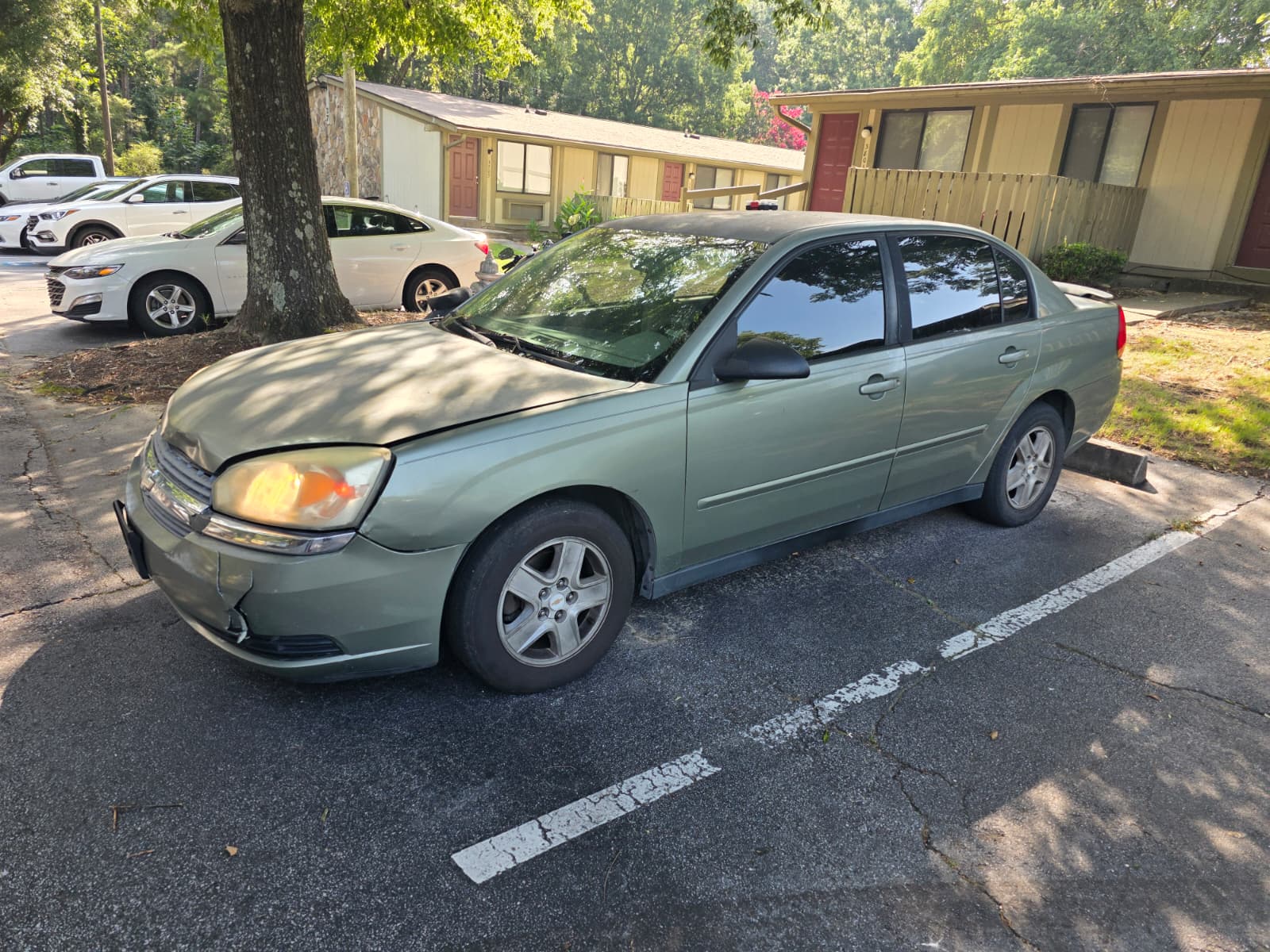
Yes, you can often keep your car when filing for bankruptcy, primarily through Chapter 7 or Chapter 13. The best path depends on your equity in the vehicle, your state's bankruptcy exemptions, and your ability to continue making payments. Chapter 13 bankruptcy is generally more flexible for keeping assets, as you repay a portion of your debts through a 3- to 5-year court-approved plan. Chapter 7 bankruptcy, known as liquidation, may still allow you to keep the car if its value is protected by an exemption or if you "reaffirm" the car loan, agreeing to remain liable for the debt.
The most critical factor is your state's motor vehicle exemption. This is a specific dollar amount of equity in a car that the law protects from creditors. Equity is your car's current market value minus the amount you still owe on the loan. If your equity is less than or equal to the exemption amount, you can likely keep the car in a Chapter 7 filing.
If you have a loan on the car, you have two main options beyond the exemption:
- Reaffirmation Agreement: This is a new contract with the lender, approved by the bankruptcy court, where you agree to continue making payments. If you default after reaffirming, the lender can repossess the car and sue you for the deficiency balance.
- Redeem the Vehicle: This involves paying the lender the car's current market value in a lump sum to own it free and clear. This is rare as it requires a significant cash payment upfront.
Consulting with a qualified bankruptcy attorney is essential. They can analyze your specific situation, including your state's exemption laws, to determine the safest strategy for protecting your vehicle.
| State | Motor Vehicle Exemption Amount (Approximate Examples) | Key Consideration |
|---|
| Texas | Unlimited equity for a single vehicle (within reason) | Very debtor-friendly; you can keep a valuable car if it's your primary vehicle. |
| California | Up to $7,500 in equity (System 1) | You choose between two sets of exemption laws; an attorney's guidance is crucial. |
| Florida | $1,000 in equity | A low exemption means you risk losing the car in Chapter 7 if you have significant equity. |
| New York | Up to $11,375 in equity (2024 amount, adjusted periodically) | The amount is tied to inflation and increases every three years. |
| Illinois | $2,400 in equity | Another state with a relatively low exemption, making Chapter 13 a more common choice. |