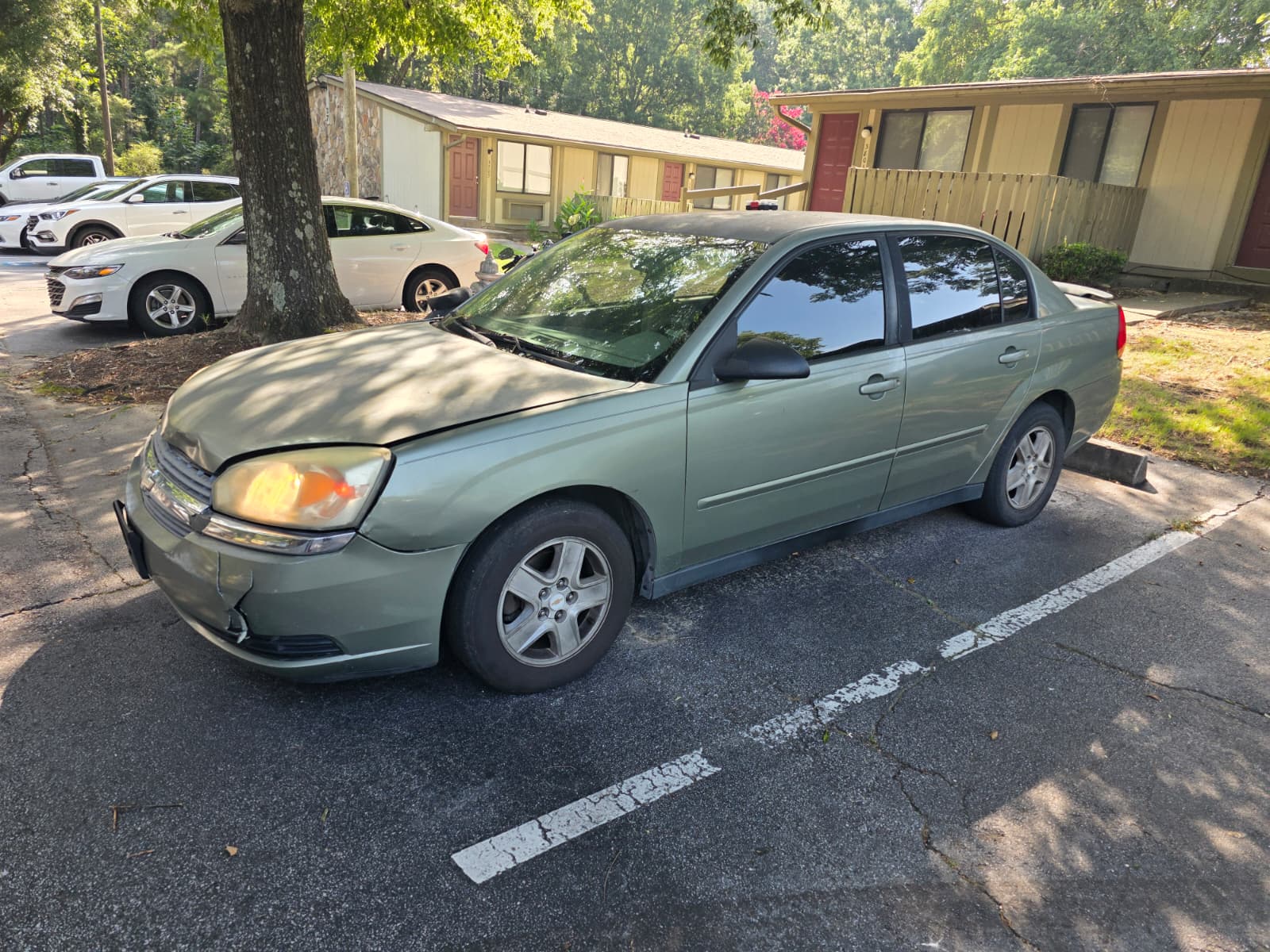
The most straightforward way to get your car to an automotive shop is to schedule an appointment in advance and then either drive it there yourself or, if it's not drivable, arrange for a tow truck. For a smooth experience, prepare a clear description of the problem and your vehicle's maintenance history.
Start by calling the shop to explain the issue. This allows them to prepare, potentially saving you diagnostic time. If the car is safe to drive, you can drop it off at the scheduled time. Be sure to remove personal belongings and have your spare key accessible if needed.
If the car has a major mechanical failure, won't start, or has flat tires, driving it could cause further damage. In this case, you'll need a tow. Check if your auto insurance policy, membership with an auto club like AAA, or your car's manufacturer warranty includes roadside assistance. These services often cover towing to a repair facility. You can also call a local towing company directly.
Before the car leaves your possession, it's wise to document its condition. Take a few photos of the exterior and interior. When you hand over the keys, get a written work order that details the repairs you've authorized. This step ensures everyone is on the same page regarding the expected services and costs.
Here is a quick comparison of common towing options:
| Towing Service Option | Typical Cost (Base Rate) | Best For | Key Consideration |
|---|
| Auto Club (e.g., AAA) | $0 (with membership) | Members needing reliable, pre-arranged service | Annual membership fee required |
| Insurance Roadside Assistance | $0 (if included in policy) | Policyholders wanting an integrated solution | May affect premium if used frequently |
| Independent Towing Company | $75 - $125 | One-time emergencies, non-members | Get a price quote over the phone first |
| Manufacturer Roadside Assistance | $0 (during warranty period) | Newer vehicles under factory warranty | Usually has a mileage/time limit |