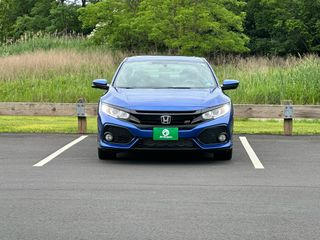
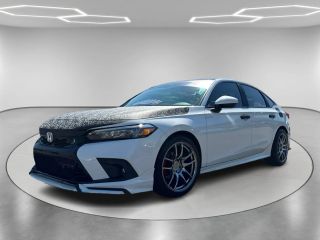
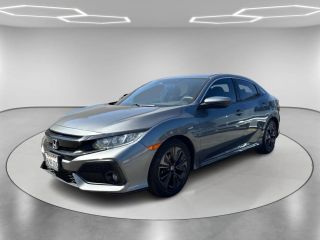
8th-generation Civic models, except for the 1.3L hybrid variant which employs a CVT transmission, are equipped with a 5-speed AT automatic transmission for other automatic versions. Definition of CVT transmission: CVT refers to a type of automotive transmission, also known as a continuously variable transmission. The key difference between CVT and stepped transmissions lies in its gear ratios being a continuous range of values rather than discrete steps, thereby delivering superior fuel efficiency, power performance, driving smoothness, while reducing emissions and costs. Definition of AT automatic transmission: Hydraulic automatic transmissions achieve gear shifting through hydrodynamic drive and planetary gear sets, typically consisting of components such as torque converters, planetary gear mechanisms, shift actuators, shift control systems, and shift operating mechanisms.

As an owner of an eighth-generation Civic, I've been driving the automatic transmission version for several years and find it very smooth. For models produced between 2006 and 2011, offered AT as an option. Mine comes with a 1.8L engine paired with a 4AT, which is particularly convenient for city commuting without the need to shift gears, delivering a fuel consumption of around 8-9 liters per 100 kilometers, and even more economical on highways. Although the AT isn't as advanced as the CVTs in newer cars today, it's robust and durable—I've only had minor issues like replacing a light bulb. When buying a used car, check the transmission fluid color; if it's black, it indicates poor maintenance. I recommend a test drive before purchase to listen for any gear shift sounds—smooth and noiseless is ideal. Overall, this car is reliable, and choosing an AT makes daily driving effortless. Maintenance is straightforward too; regular transmission fluid changes can extend its lifespan.

I previously researched model configurations, and the eighth-generation Civic had an automatic transmission version available, paired with a 1.8L engine, delivering stable and comfortable power output. The AT type was a traditional four-speed, commonly seen in the mainstream market after 2006, with options like the DX or EX models equipped with AT. Technically, it's more hassle-free than a manual transmission, especially in areas with frequent traffic lights, though it may have slightly higher fuel consumption. If buying used, pay attention to checking for abnormal noises in the transmission when the mileage exceeds 100,000 kilometers, as minor issues like oil seal aging are common; regular maintenance, such as changing the fluid every three years, can prevent major problems. Overall, the AT's reliability is good, making it suitable for buyers seeking convenience.

I drove my friend's eighth-generation Civic, which was an automatic transmission model, and it was very comfortable to drive. This generation of the car has supported AT configuration since its launch in 2006, commonly found in base and mid-range versions. The AT makes driving much simpler, with smooth acceleration and low failure rates; however, it's important to pay attention to intervals, otherwise minor issues may arise. It offers high value for money and is easy for beginners to handle.

I know that widely promoted automatic transmissions during the eighth-generation Civic era, with AT being one of the standard options available in multiple models. From a historical perspective, mainstream configurations produced between 2006 and 2011 included it, paired with a 1.8L engine for balanced performance and good fuel economy. It has fewer issues and lower maintenance costs, proving more durable than some European cars. Choosing AT is suitable for daily commuting, and for added driving fun, I recommend trying it out on different road conditions.

As an experienced driver who has handled this model, the 8th-gen Civic does offer automatic transmission variants. AT versions are commonly found in the market due to their user-friendly operation. The AT excels in congested traffic with quick and smooth gear shifts. However, buyers should inspect for transmission slippage or oil leaks before purchase, and it's advisable to test drive for proper shifting feel. Overall reliability is strong, with timely fluid maintenance being key to prolonging its lifespan.