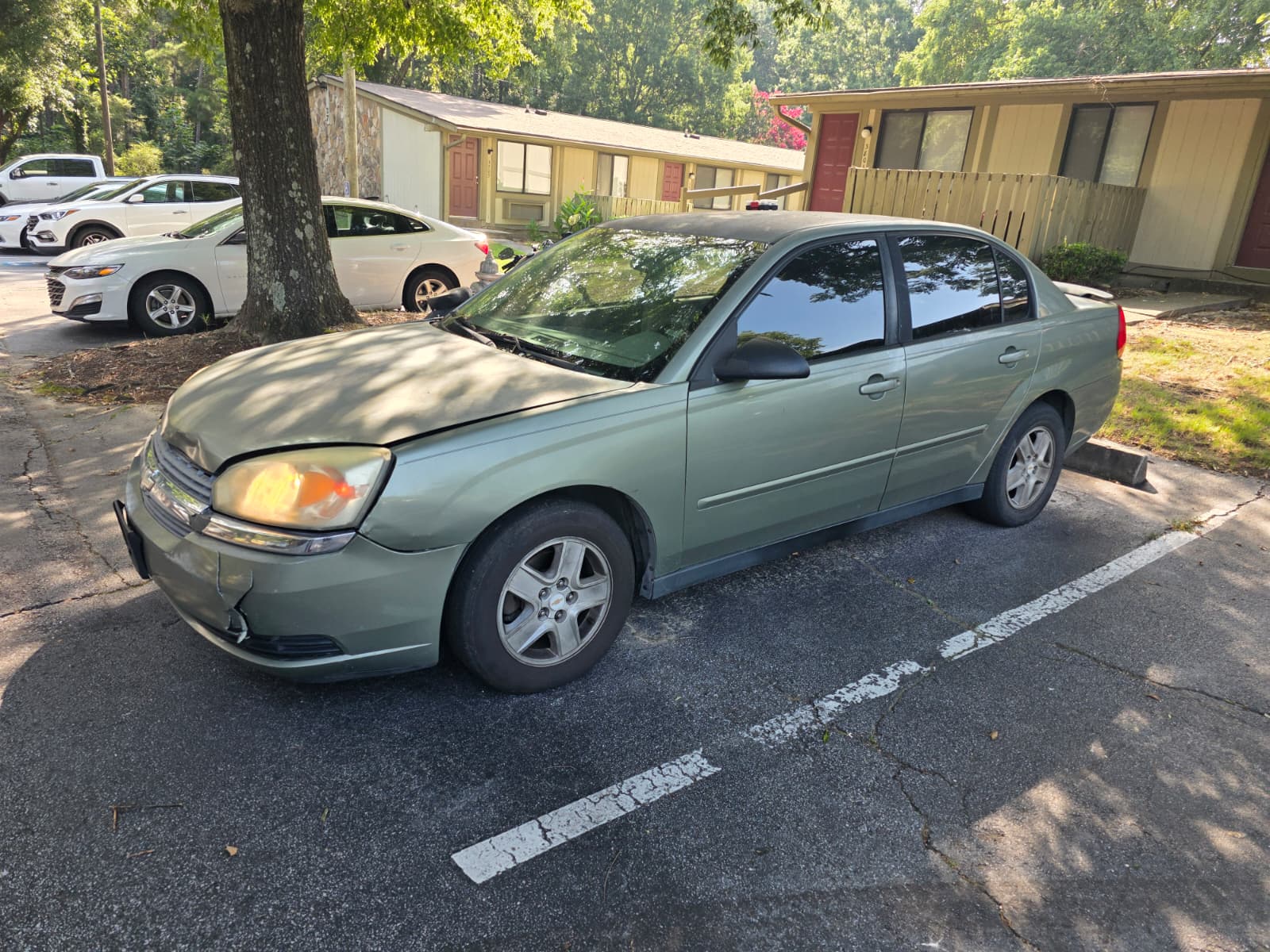
No, liability insurance does not cover damage to your own car. It is specifically designed to cover costs for others when you are at fault in an accident. This includes bodily injury liability (for others' medical expenses) and property damage liability (for damage to another person's car or property). Your own vehicle's repair bills are not included.
To get coverage for your own car, you need to add other policy types. Collision coverage pays for damage to your car from an accident with another vehicle or object. Comprehensive coverage handles non-collision incidents like theft, vandalism, or weather damage. If you're financing or leasing your car, your lender will almost certainly require you to have both.
The table below outlines the core differences between these common auto insurance coverages.
| Coverage Type | What It Pays For | Is My Car Covered? | Typical Scenario |
|---|
| Liability Insurance | Injuries and property damage you cause to others. | No | You rear-end another car; it pays for the other driver's repairs. |
| Collision Coverage | Damage to your car from a collision, regardless of fault. | Yes | You hit a guardrail; it pays to fix your car. |
| Comprehensive Coverage | Damage to your car from non-collision events (theft, fire, hail). | Yes | A tree branch falls on your hood; it pays for repairs. |
| Uninsured Motorist Coverage | Your injuries/property damage if hit by a driver with no insurance. | Yes (if property damage is included) | A driver with no insurance hits you and flees. |
Driving with only liability insurance is often called "liability-only" coverage. It's a common choice for older cars with low market value, where the cost of full coverage might exceed the car's worth. However, it leaves you financially responsible for your own car's repairs after an at-fault accident. If you have a newer or more valuable vehicle, skipping collision and comprehensive is a significant financial risk.