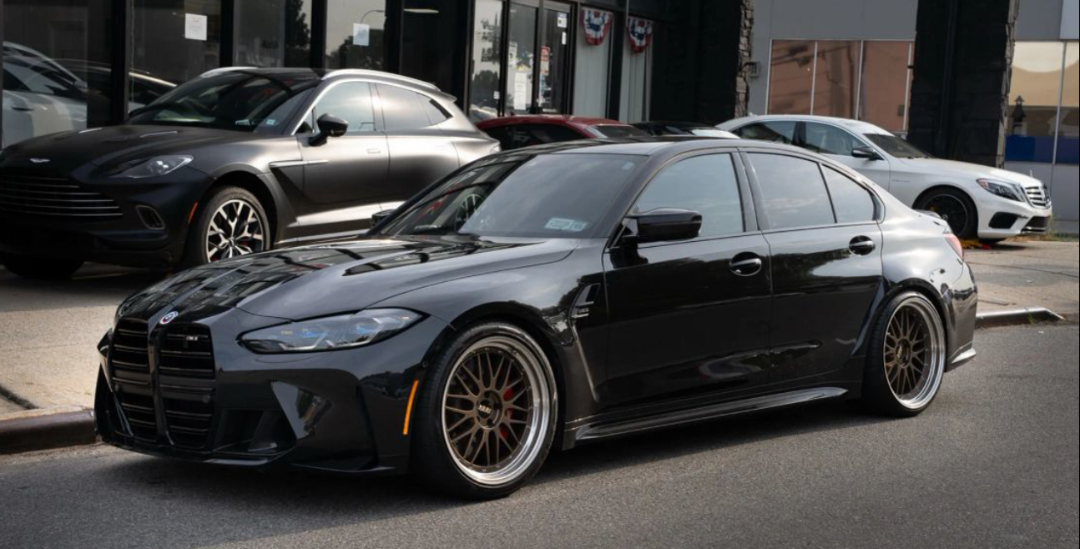
Sport mode does not damage the car. Here is some extended information about BMW: 1. Driving Modes: Comfort Mode: Also known as the comfort setting; Sport Mode: Also referred to as the sport setting. In Sport mode, the load on various vehicle components remains within controllable limits and does not cause any additional harm to the engine or transmission, although fuel consumption does increase somewhat. 2. S Gear: The S gear is also known as the sport mode, but this only affects the transmission's shift logic to achieve a sportier driving experience. Sport mode encompasses more adjustments, such as changes to the chassis and steering. It can be said that the S gear is a subset of Sport mode, so using the S gear continuously is also perfectly fine.

I always drive my 5 Series and often use Sport mode for overtaking or highway driving, which feels quite exhilarating. Honestly, occasionally using Sport mode won't harm the car, as BMW engineers have considered these scenarios during the design phase. The transmission response becomes faster, and the engine RPM runs higher, but the durability remains intact. The key lies in how you use it: racing every day and aggressively stepping on the gas may accelerate engine wear and increase fuel consumption by about 10%; driving more gently and only engaging Sport mode when necessary, then switching back to normal mode afterward, will keep the car in good condition. I regularly maintain my car, checking the engine oil and cooling system every six months, and it still runs smoothly after 80,000 kilometers. In short, don't be too aggressive—enjoy the driving pleasure while protecting your car.

As a car enthusiast, BMW's Sport mode is a favorite, offering swift acceleration and more direct handling. I believe it doesn't inherently harm the car, but excessive use, such as prolonged high-RPM driving, can increase engine load, potentially leading to piston ring wear and exhaust system aging. Increased fuel consumption is common in Sport mode, so pay attention to your driving technique—avoid consistently nearing the redline, and moderate deceleration can help reduce wear. BMW's chassis is robust, but it's best paired with regular , like a simple check every 5,000 kilometers. Overall, it's quite reliable, and occasional spirited driving is fine.

I'm a conservative driver and have been driving a for three years, rarely using the sport mode. I feel that frequently using that mode keeps the engine RPM high and raises oil temperature quickly, which could have subtle long-term effects on the engine or transmission. Just because BMWs are well-built doesn't mean you can be reckless—using sport mode accelerates component fatigue, and older cars might develop more issues. I recommend sticking to comfort mode for daily driving and only briefly trying sport mode when overtaking or on good roads. Regular oil changes, carbon deposit cleaning, and maintaining good driving habits are safer approaches.

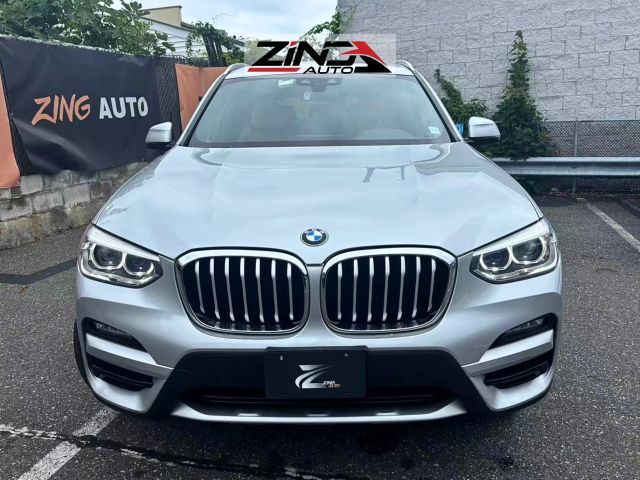
After having children, safety and practicality become more important when driving the X3. I occasionally use Sport mode when merging onto highways or taking sharp turns to enhance grip, ensuring a stable drive without harming the car. However, frequent hard acceleration can cause rapid temperature rise, potentially increasing brake pad wear and fuel consumption. I often switch modes to avoid using Sport continuously for over two hours, driving more steadily to protect the suspension system. Maintenance is not neglected—I visit the dealership every quarter to check the electrical system, keeping the car in good condition with no major issues.

From a technical perspective, BMW's Sport mode adjusts engine response and shift logic to enhance dynamic performance. Prolonged high-intensity use increases cylinder pressure and thermal load, potentially affecting spark plug lifespan, but I've checked that moderate usage doesn't compromise durability. The key is avoiding extreme scenarios like prolonged steep hill climbs in this mode. Maintain regular servicing, monitor coolant and transmission fluid levels - components are built to handle this. Use Normal mode for daily driving and reserve Sport mode for spirited driving occasions, keeping both you and your car happy.