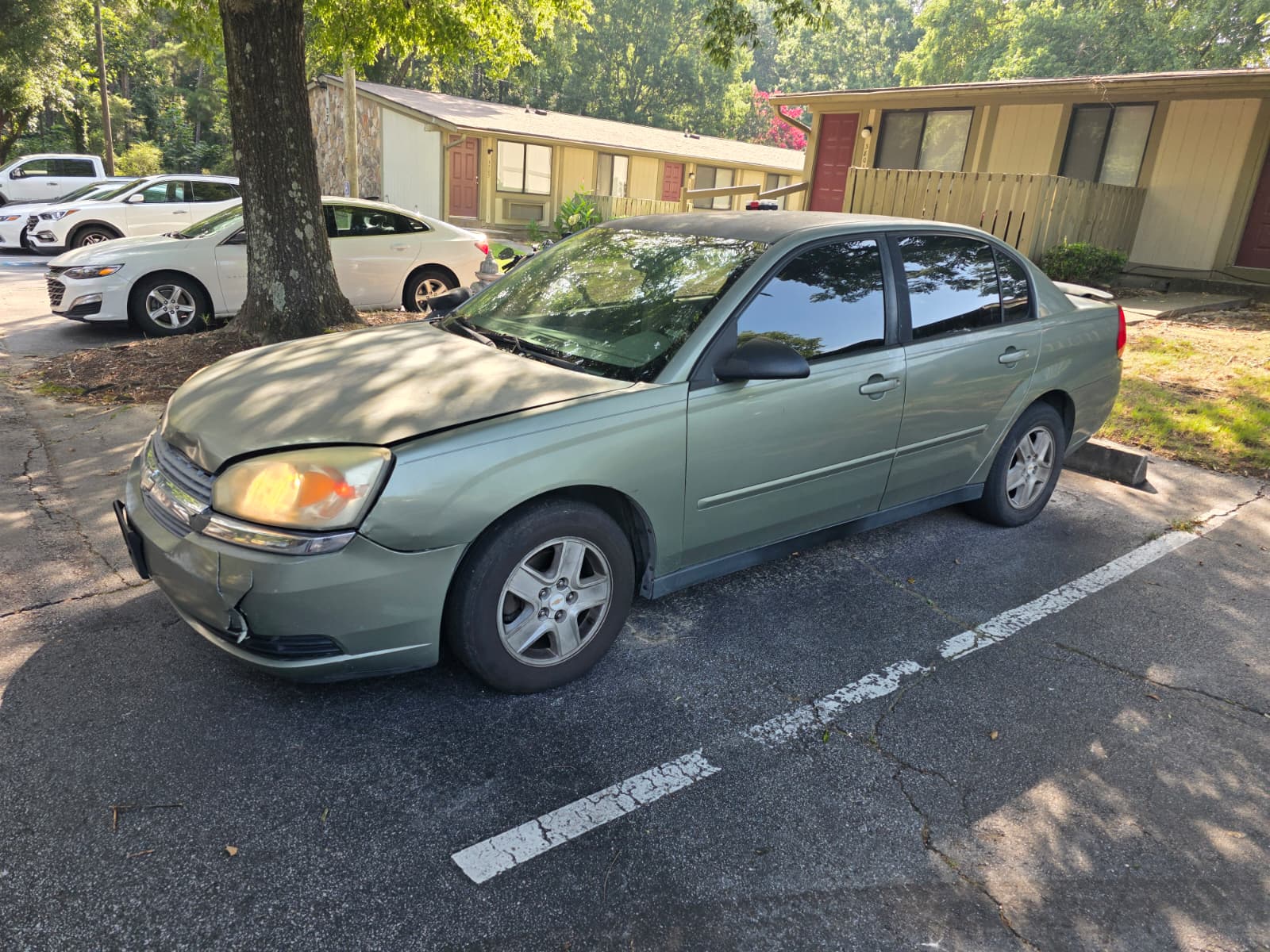
Applying transparent film to a vehicle does not require registration at the DMV. Only when the vehicle's body decals, stickers, or color changes exceed 30% of the surface area is it necessary to register at the DMV. If the color-changing film covers more than 30% of the vehicle's surface, registration at the DMV is also required. Unauthorized color changes exceeding 30% of the vehicle's body are not permitted for registration and will result in failure during annual inspections. After changing the vehicle's color, the owner must register at the DMV within 10 days. Required documents include the original and a copy of the owner's ID card, vehicle registration certificate, and driver's license. The DMV will first take photos of the vehicle for inspection, then require filling out a vehicle modification registration form before issuing a new driver's license. Additionally, it's important to note that the color-changing film must not resemble the colors used by special vehicles.

Last time I got my car tinted, I was also wondering if I needed to register it. Shortly after driving with the dark tint, I got pulled over by traffic police. They said the color change wasn’t registered, fined me 200, and made me go to the DMV to complete the paperwork. Now I understand—if the car’s body color changes, like from blue to black, you must register it. Otherwise, it’s considered illegal modification, and you’ll face trouble if caught. But if it’s the same color or just a dark decorative film, generally no registration is needed, as long as the light transmittance meets standards. The windshield tint must have at least 70% light transmittance; otherwise, it’s illegal and affects visibility. I recommend testing the tint’s transparency at a reputable shop before applying it or checking local regulations on official websites to avoid unnecessary hassle. Asking one extra question can save you a lot of money.

I just had my window film installed and specifically asked the repair technician. He said if the car's color hasn't changed, like just applying a protective film or dark stripes, generally no registration is needed. But if there's a major color change, such as turning a silver car red, you must go to the vehicle office to update the registration certificate. The light transmittance of window film is crucial—the front windshield must exceed 70%, otherwise it's a direct violation with fines. I know a friend who got points deducted for this. Policies vary by region now, with some cities enforcing strict checks, so it's better to consult the local traffic hotline or app and file for registration to be safe. Don't risk fines just to save trouble.

Whether to register after applying film depends on the situation. Changing the body color requires registration; if the window film's light transmittance is non-compliant, such as a darkened windshield, it may be inspected without registration but must be corrected. I chose a light-colored film that meets the standards, making it hassle-free and safe. It's advisable to check the DMV website or call in advance to clarify the rules.

This issue is really important. I only realized the rules after getting my car tinted. Changing the body color must be registered, otherwise it's considered non-compliant modification; if the window film's light transmittance is below 70% for the front windshield, you'll be fined as it affects driving safety. I remember driving with overly dark tint almost caused an accident due to poor visibility. The registration process is simple—just update your information at the DMV. Now I pay more attention to safety regulations, not just aesthetics.

As a car owner, I have extensive experience with window tinting. The rule is that any change in body color requires registration; the light transmittance for the front windshield must be above 70%, otherwise, it will fail the annual inspection or result in a fine. Last time, I didn't register and was required to re-inspect. Later, I had it handled by a legitimate shop. I recommend choosing compliant products before tinting, consulting the DMV or checking local policies online to ensure legality and avoid trouble.