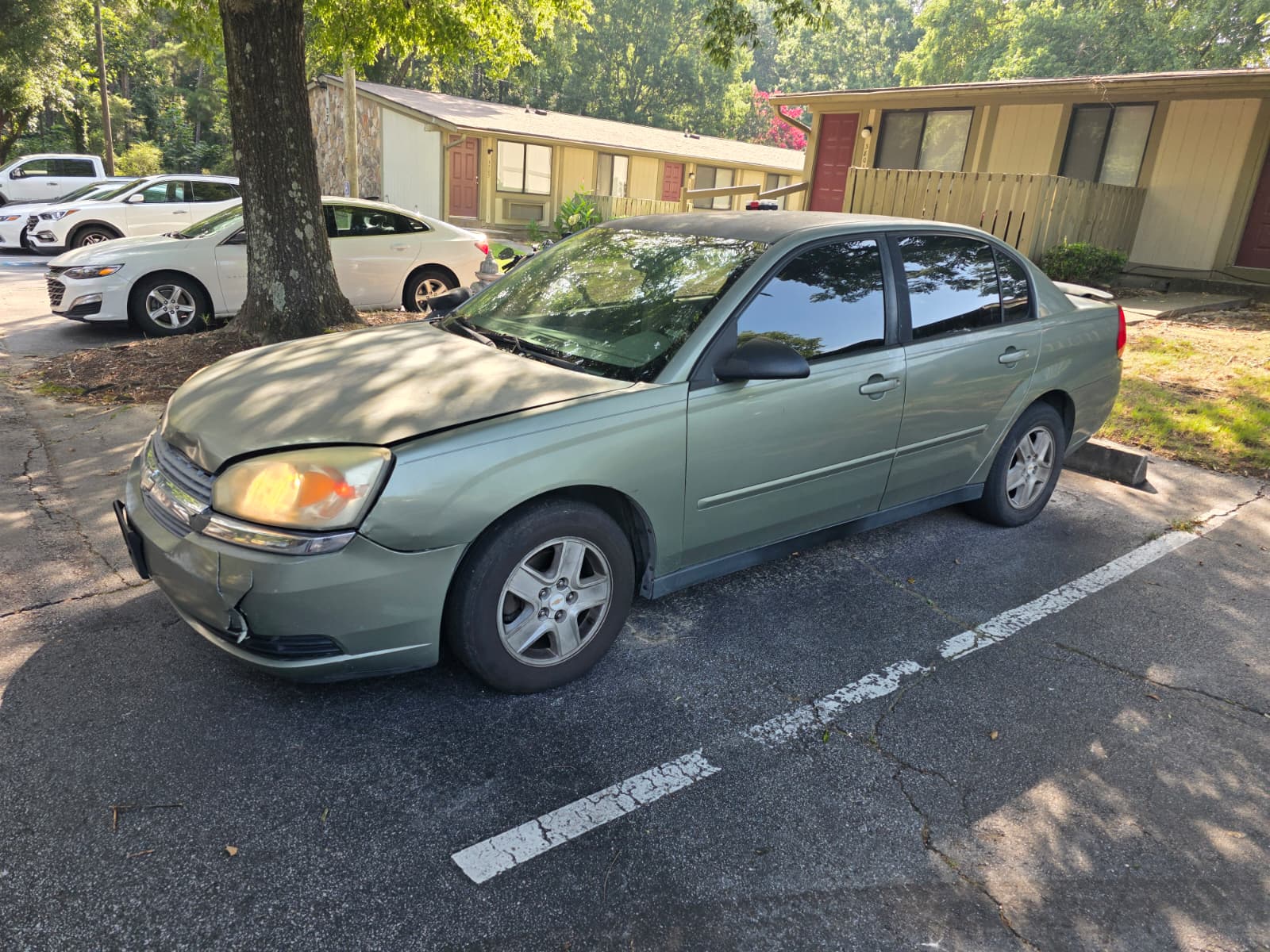
Generally, no, you cannot transfer your license plates to avoid paying sales tax when buying a car. The sales tax is levied on the purchase price of the vehicle itself by your state's department of motor vehicles (DMV) or equivalent agency. The process of transferring a license plate from an old car to a new one is separate from the tax calculation. The primary factor determining whether you pay sales tax is your state's specific laws regarding the transaction type, such as a purchase from a dealer, a private sale, or a qualifying tax exemption like a family transfer.
The belief that plate transfer avoids tax likely comes from confusion with specific exemptions. For instance, some states offer a sales tax credit if you trade in a vehicle to a dealership. The trade-in value is subtracted from the new car's price, and you only pay sales tax on the remaining balance. This is a financial transaction with the dealer, not a simple plate transfer.
Another common exemption is transferring a vehicle between immediate family members (e.g., spouse, parent, child). In many states, such transfers are exempt from sales tax. During this process, you would also typically transfer the plates. However, the tax exemption is granted due to the familial relationship, not the act of moving the plate itself.
The rules vary significantly by state. The table below illustrates the diversity of regulations across the U.S.:
| State | Sales Tax on Private Party Purchases? | Trade-In Tax Credit? | Family Transfer Exemption? |
|---|
| California | Yes (Use Tax) | No | Limited |
| Texas | Yes (6.25%) | Yes | Yes (Spouse, Parent/Child) |
| Florida | Yes (6%) | Yes | Yes (Lineal relatives) |
| Oregon | No (No general sales tax) | N/A | N/A |
| Pennsylvania | Yes | Yes | Yes (Spouse, Parent/Child) |
| Illinois | Yes | Yes | Yes (Spouse, Parent/Child) |
| Virginia | Yes (4.15%) | Yes | Yes (Spouse, Parent/Child) |
| Arizona | Yes | Yes | Yes (Spouse, Parent/Child) |
| Washington | Yes (6.8%) | No (Fee based on value) | Yes (Limited) |
| New York | Yes | Yes | Yes (Spouse, Parent/Child) |
The safest approach is to always check with your local DMV or a tax professional before completing a vehicle purchase. Do not assume that a plate transfer automatically waives the sales tax obligation, as this could lead to unexpected fees and penalties.