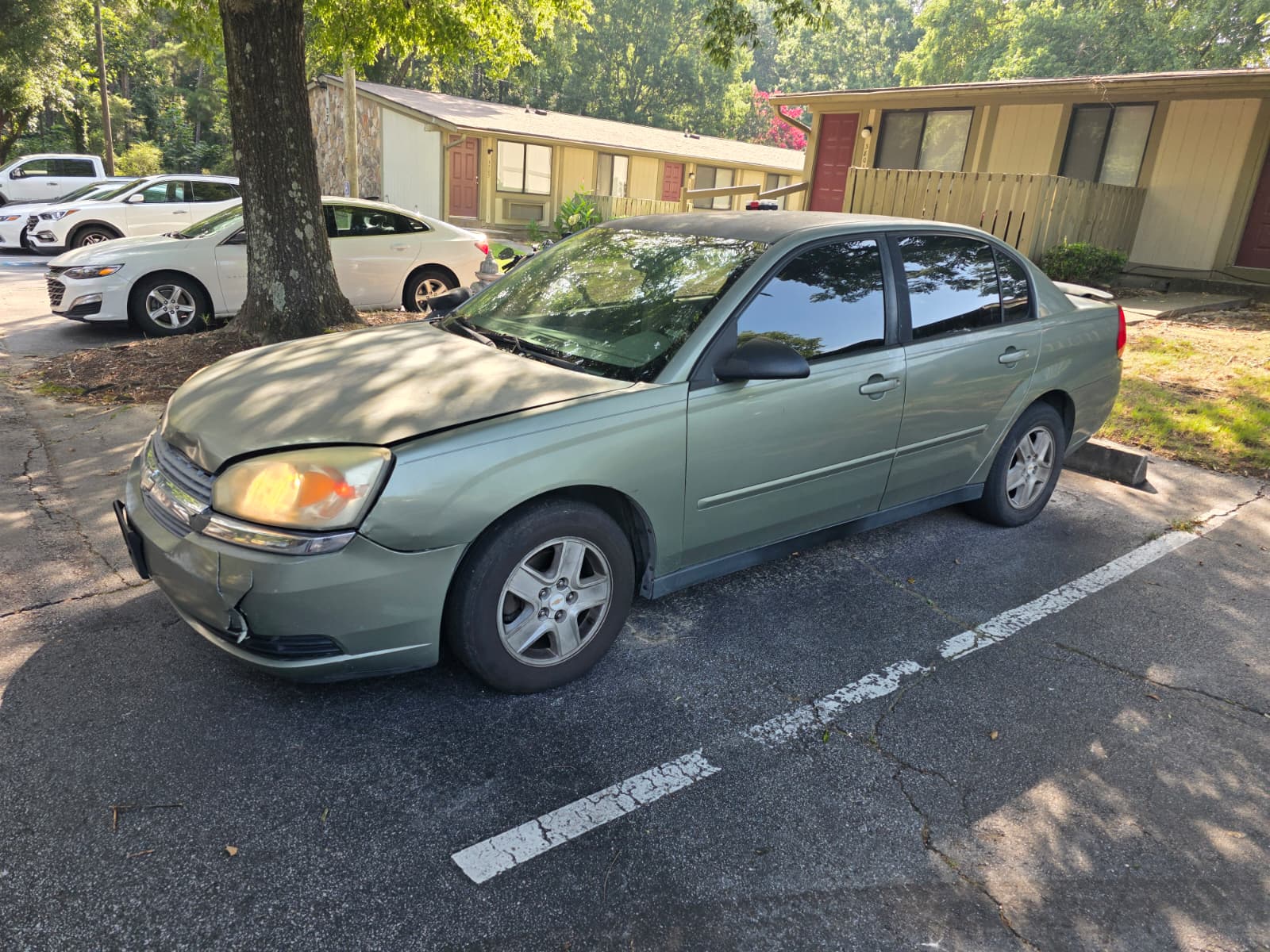
Yes, you can store a car in a storage unit, but it requires careful planning and the right type of unit. Not every storage facility permits vehicle storage, and those that do have specific requirements you must follow for the safety of your vehicle and the property.
The most critical factor is the type of storage unit. A standard indoor unit won't work. You need a dedicated vehicle storage unit, which comes in two main forms: outdoor parking spots (similar to a reserved parking space) and larger, drive-up indoor units often called RV & boat storage. These are designed to accommodate vehicles and provide the necessary access.
Before storing your car, proper preparation is essential to prevent damage. Fill the gas tank and add a fuel stabilizer to prevent the fuel from degrading and damaging the engine. Inflate tires to the recommended pressure and consider putting the car on jack stands to prevent flat spots from forming on the tires over many months. A thorough wash and wax will protect the paint, and a final oil change is a good idea. To deter pests, plug the exhaust pipe and place mothballs or dryer sheets in the interior and engine bay.
Always check with the facility about their specific rules. Many require you to show proof of insurance and registration, and they may prohibit storing a car that is leaking fluids or is inoperable. Here’s a comparison of the common storage options:
| Storage Unit Type | Typical Size | Best For | Key Considerations |
|---|
| Outdoor Parking Spot | 10' x 20' | Short-term storage, budget option. | Vehicle is exposed to weather, sun, and dust. Most affordable. |
| Covered Parking Spot | 12' x 25' | Basic protection from sun and rain. | Better than uncovered, but vehicle is still exposed to dust and temperature swings. |
| Indoor, Drive-Up Unit | 10' x 20' or larger | Long-term storage, classic cars, full protection. | Protects from all weather, dust, and sun. Often includes 24/7 security and climate control options. |
| Climate-Controlled Unit | 10' x 20' or larger | High-value, sensitive vehicles; humid climates. | Maintains stable temperature and humidity to protect interior, electronics, and prevent rust. Most expensive option. |
Finally, review your auto insurance policy. Some policies reduce or suspend coverage for vehicles in long-term storage, so you may need to switch to comprehensive-only coverage or purchase a specific storage policy to maintain protection against fire, theft, or vandalism while the car is not being driven.