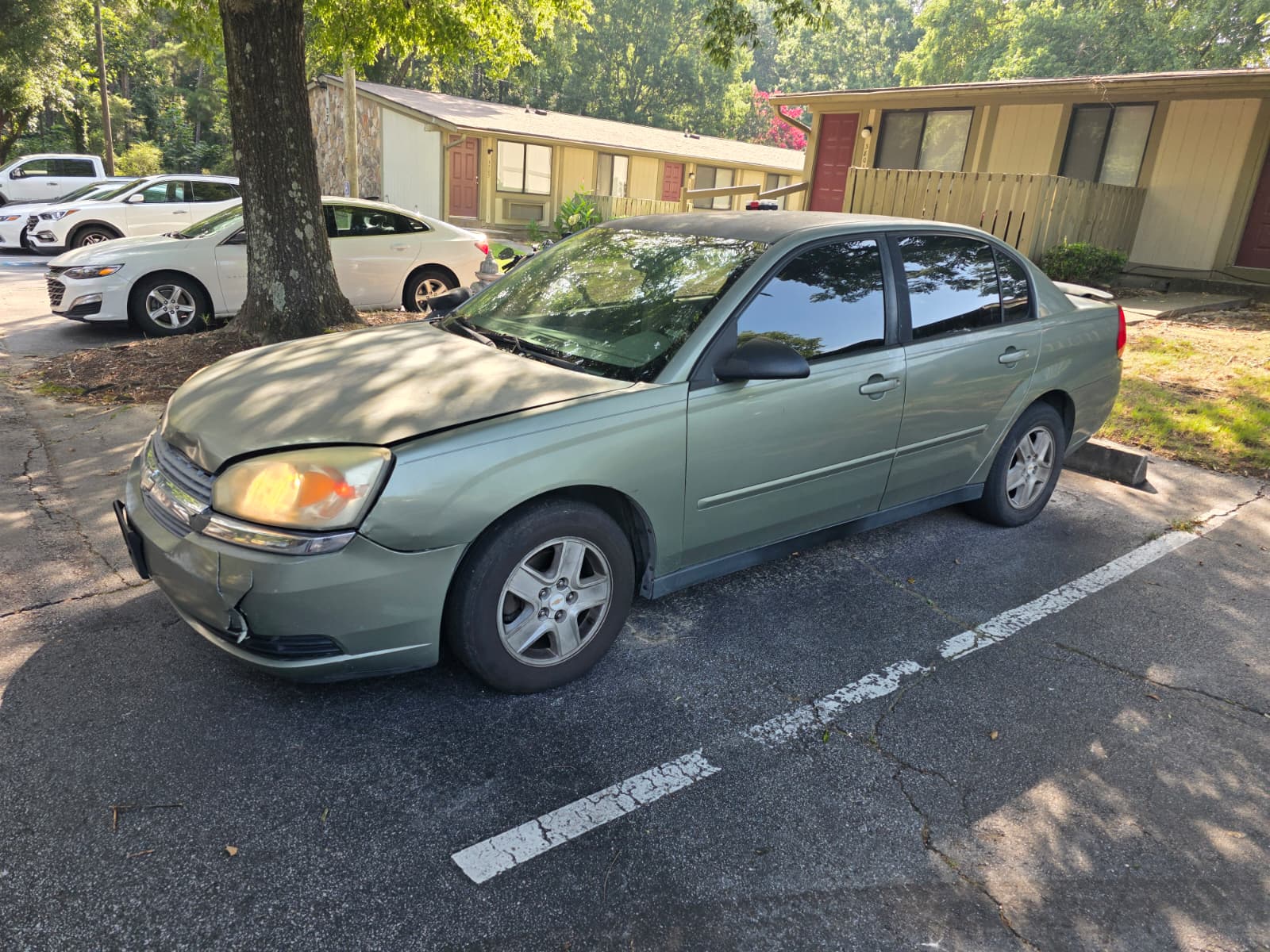
A vehicle license plate can only be used on one vehicle. Methods for replacing a vehicle license plate: To replace a motor vehicle license plate, you need to go to the vehicle office or the traffic management department of the public security authority. Regardless of the method used for replacement, the motor vehicle license plate can be effectively replaced. Once the replacement is completed, it can be used normally; otherwise, it will be considered illegal. Functions of a vehicle license plate: The license plate serves as a numbering and information registration for each vehicle. Its main purpose is to identify the region to which the vehicle belongs and to trace the vehicle's owner and registration information based on the license plate.

Oh, this is a pretty common question, and I used to wonder about it myself when I first learned to drive. A license plate number absolutely cannot be used by multiple vehicles. The reason is simple: each license plate number is unique and tied to specific vehicle information, such as the VIN. Traffic authorities set this rule to ensure order and safety. If multiple vehicles were allowed to share the same plate, the monitoring system would be thrown into chaos—cameras capturing the same plate number appearing in different locations would definitely raise red flags with traffic police, and in case of an accident, responsibility could easily get confused. I've never tried using a fake plate because the risks are too high—fines start at a few hundred yuan, and in serious cases, points can be deducted or your license suspended. I recommend car owners regularly check their plates to ensure they're intact and not cause trouble due to negligence. In short, following the rules on the road is the way to peace of mind.

As an experienced driver, I've personally witnessed the troubles caused by license plate cloning. One license plate number can only correspond to one vehicle - this is an ironclad rule designed to prevent traffic chaos. For instance, surveillance systems conduct real-time comparisons of license plate data. If the same number appears on two different vehicles, the system immediately triggers an alert, enabling traffic police to intercept promptly. I once had a friend whose plate was cloned - his car was parked at home, yet he received traffic violation tickets, and it took considerable effort to prove his innocence. So never cut corners for convenience, as the consequences can be endless. License plates are like a vehicle's ID card - they must be exclusively used by one vehicle to ensure road safety and smooth traffic. In daily life, I constantly remind myself to follow the rules and avoid unnecessary risks.

From a technical perspective, the license plate number serves as a unique identifier for a vehicle, with one plate number assigned exclusively to one car. This system is highly sophisticated—traffic databases permanently link plate numbers to VINs (Vehicle Identification Numbers), and surveillance cameras automatically verify license plates upon reading them. If the same plate appears on multiple vehicles, the system triggers an error and immediately alerts law enforcement. Having studied similar cases, I can confirm that plate cloning is not only illegal but may also lead to disputes or unclear accident liability. I strongly advise everyone to ensure their license plates are compliant before hitting the road—don't test the law. In simple terms: rules are not to be challenged.

A license plate must never be shared among multiple vehicles; one plate per car is an absolute rule. The rationale behind this regulation is safety—if two cars share the same plate, it becomes impossible to determine the responsible party in case of an accident, complicating rescue efforts and investigations. Traffic authorities enforce strict oversight using advanced technology, and offenders caught using duplicate plates face severe penalties, including hefty fines and point deductions. Personally, I pay close attention to details and regularly clean my license plate to avoid misunderstandings. Remember, safety comes first—don’t risk it for minor gains. During routine car , take a moment to check if the plate is securely fastened, ensuring compliance and peace of mind.

Reflecting on my car ownership experience, the issue of license plates is often raised by new car owners. The answer is clear: one license plate can only be used for one vehicle, with no room for negotiation. This system was designed for administrative convenience, with surveillance cameras and traffic police systems working seamlessly together. Imagine if you and a friend shared a license plate—if an incident occurs and is caught on camera, the innocent party would have to go through the trouble of proving their innocence. I have a friend who was mistakenly fined due to a blurred license plate, a lesson learned the hard way. Therefore, focus on using one plate per vehicle, comply with the law, and protect your personal information.