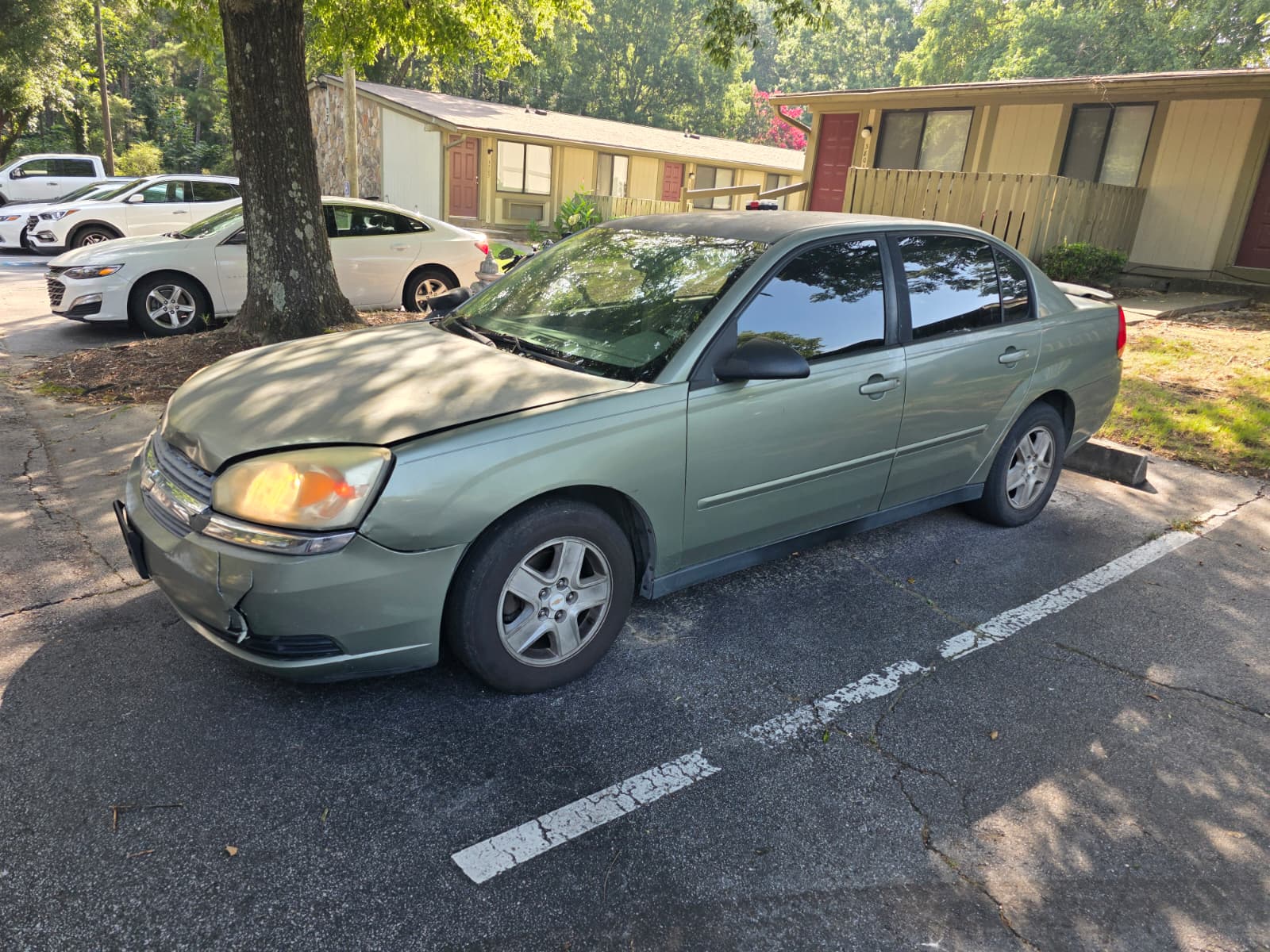
Yes, a new car can jumpstart an old car, but it requires extreme caution to avoid damaging the new car's sensitive electronics. The process is fundamentally the same as a traditional jumpstart, but the key difference lies in the advanced electrical systems of modern vehicles. Their Engine Control Modules (ECMs) and other computers are vulnerable to voltage spikes.
The safest method is to use high-quality jumper cables and follow a precise sequence. First, ensure both cars are off. Connect the positive (+) red clamp to the dead battery's positive terminal. Then, connect the other red clamp to the good battery's positive terminal in the new car. Next, connect the black (-) clamp to the good battery's negative terminal. For the final connection, instead of attaching the last black clamp to the dead battery's negative terminal, clamp it to an unpainted metal surface on the engine block of the old car. This provides a ground and reduces the risk of sparking near the battery, which could potentially ignite hydrogen gas.
Start the new car first, let it run for a few minutes to allow its alternator to charge the dead battery, then attempt to start the old car. Once the old car is running, carefully disconnect the cables in the reverse order. The primary risk is a voltage spike from the old car's failing alternator or battery sending a surge back into the new car's system, potentially causing thousands of dollars in damage to its control units. If the old car's battery is visibly damaged, leaking, or frozen, do not attempt a jumpstart.
| Characteristic | Old Car (Recipient) | New Car (Donor) | Key Consideration |
|---|
| Electrical System | Primarily analog, less sensitive | Complex digital ECUs, sensitive to spikes | Risk of damaging the new car's electronics is the main concern. |
| Battery Type | Often standard lead-acid | AGM (Absorbent Glass Mat) or EFB common | Compatibility is generally fine, but charging systems differ. |
| Procedure Safety | Standard risk of spark/battery explosion | High risk of expensive ECU damage | Grounding to the engine block, not the battery, is critical. |
| Success Rate | High if battery is only drained | High, but donor car must be running first | Letting the donor car run for 5-10 minutes before starting the dead car is advised. |
| Alternative Safer | Using a portable jump starter pack is ideal. | Using a portable jump starter pack is ideal. | Eliminates risk to the donor car entirely. |