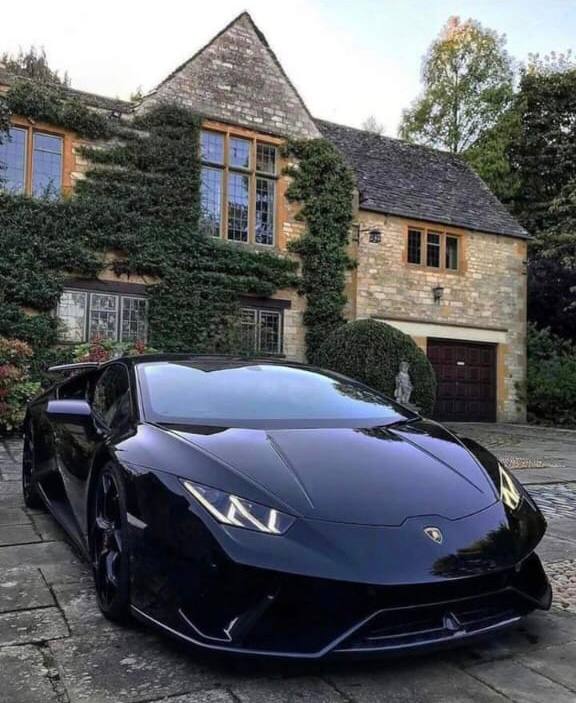
Getting wet in the rain generally has little impact on electric vehicles. Most electric vehicles produced by reputable manufacturers come with decent waterproofing features. However, it is still advisable to minimize leaving electric vehicles exposed to rain outdoors to prevent water damage and avoid unnecessary losses. Measures to take when an electric vehicle gets wet in the rain: 1. Wash the car promptly: Rainwater carries sticky substances that can adhere to the car’s surface after evaporation, making them difficult to remove. Additionally, rainwater and mud splashed from the road can accumulate in the lower gaps of the vehicle, trapping moisture and increasing the risk of rust. 2. Brake system dewatering: Most car braking systems use dual-circuit vacuum-assisted hydraulic braking, and the brake fluid that transmits braking force is highly absorbent. If rainwater enters the brake fluid, it can lead to brake failure or complete loss of braking power. Therefore, it is essential to check the brake fluid during to ensure the safety of drivers and passengers. 3. Chassis maintenance: The chassis is vulnerable to impacts from splashed mud and stones, making it prone to moisture and rust. The wheel wells may even loosen or develop holes. Thus, it is crucial to clean and rust-proof the chassis. A single rust-proof treatment can last up to three months. 4. Paint care: Rainwater contains high levels of acidic substances, which can severely damage the car’s paint, potentially causing irreversible harm. During rainy seasons, owners should consider giving their cars a paint treatment. For a quick and simple solution, waxing can be applied. For longer-lasting and more effective protection, a glaze sealant can be used to minimize acid damage to the vehicle.


Hey, regarding the issue of electric cars getting wet in the rain, I drive with complete peace of mind every time it rains. Manufacturers have implemented waterproofing measures during design and testing, with sealed protection for core components like the pack and motor, typically meeting waterproof standards of IP67 or higher—meaning they're dustproof and can withstand immersion. It's perfectly fine for the car to get wet in normal rain; water won't seep in and affect the electrical circuits or battery performance. Of course, it's still good to follow some practical tips, like avoiding parking in deep puddles for too long or driving through flooded areas during heavy rain, as this could allow water to enter through the chassis or gaps, increasing the risk of corrosion or repair costs over time. One major advantage of driving an electric car in the rain is not having to worry about water entering the exhaust and stalling the engine, as with gasoline cars—electric vehicles offer higher safety and reliability. In short, getting wet in the rain is just part of daily driving for an EV, as manufacturers have already taken care of everything for us. Just drive slower or find higher ground to park during storms.

Electric vehicles are designed with strict waterproofing requirements from the outset. I recall reading that they must pass multiple tests, such as rain tests to prove the body's sealing meets standards. For instance, the system uses high-grade waterproof materials, and wiring connections are fitted with rubber gaskets to prevent leakage. So driving in the rain is absolutely no problem—water runs off the body without causing short circuits or malfunctions. Since I started driving an electric car, I've never encountered rain-related issues. In fact, I find it more worry-free than gas cars because there are no exposed components in the engine compartment prone to water ingress. However, it's worth noting that if the vehicle body has dents, aging, or damage, rain may accelerate problem exposure, such as water seeping through cracks and causing electrical faults. In such cases, timely repairs are necessary. Additionally, it's best to avoid deep water during extreme weather like typhoons—while EVs are waterproof, deep water increases risks. In short, rain is a minor concern for daily use, but regular maintenance is still advisable for added security.

Driving an electric car in the rain is completely fine; no need to worry about damaging the vehicle. I often take mine out for trips, and it performs normally after getting wet, which shows the waterproof design is solid. The advantage of electric vehicles is that they're not afraid of rain affecting the or drive system, as all major components are sealed and protected. However, if water does seep in, such as from driving through deep puddles, it could lead to costly repairs—like replacing battery modules, which are expensive—so avoid pushing through deep water during daily drives. Plus, rain actually helps wash dust off the car body, but after getting wet, remember to rinse the car briefly or check that external ports are dry. In short, electric cars are designed to handle rain, so getting wet is no big deal—drive with confidence.

As an electric vehicle (EV) user, I have quite some experience with driving in the rain. The exterior and components of EVs are designed with enhanced waterproofing, so it's perfectly normal to drive in the rain without causing system failures or safety risks, as they are tested for various weather conditions during design. Interestingly, EVs even have advantages over gasoline cars, such as automatic rain covers for charging ports to prevent water ingress and charging issues. However, after driving in the rain, it's advisable to check if tire traction is affected to ensure shorter braking distances in wet conditions, and to monitor cabin humidity to prevent fogging that could impair visibility. Additionally, prolonged exposure to rain or driving through water requires caution—if water depth exceeds the chassis height, it's best to detour to avoid water damage to the underfloor circuits. Overall, rain exposure is harmless to EVs and is part of the design safeguards; just prioritize safety when driving in the rain.

I commute daily with my electric vehicle, and getting caught in the rain has no impact at all. The manufacturer has wrapped the and electronic components well with waterproof materials, so rainwater just slides off and can't penetrate the core areas, ensuring normal functionality and safety. From an economic perspective, getting wet in the rain doesn't add extra maintenance costs unless the vehicle is damaged. A practical tip is to check if the windows and wipers are working properly after rain, and to drive slower in wet conditions—electric vehicles respond well but watch out for slippery roads. In short, rain is just like daily water exposure for electric vehicles; it's already considered in the design, so you can use it with peace of mind.