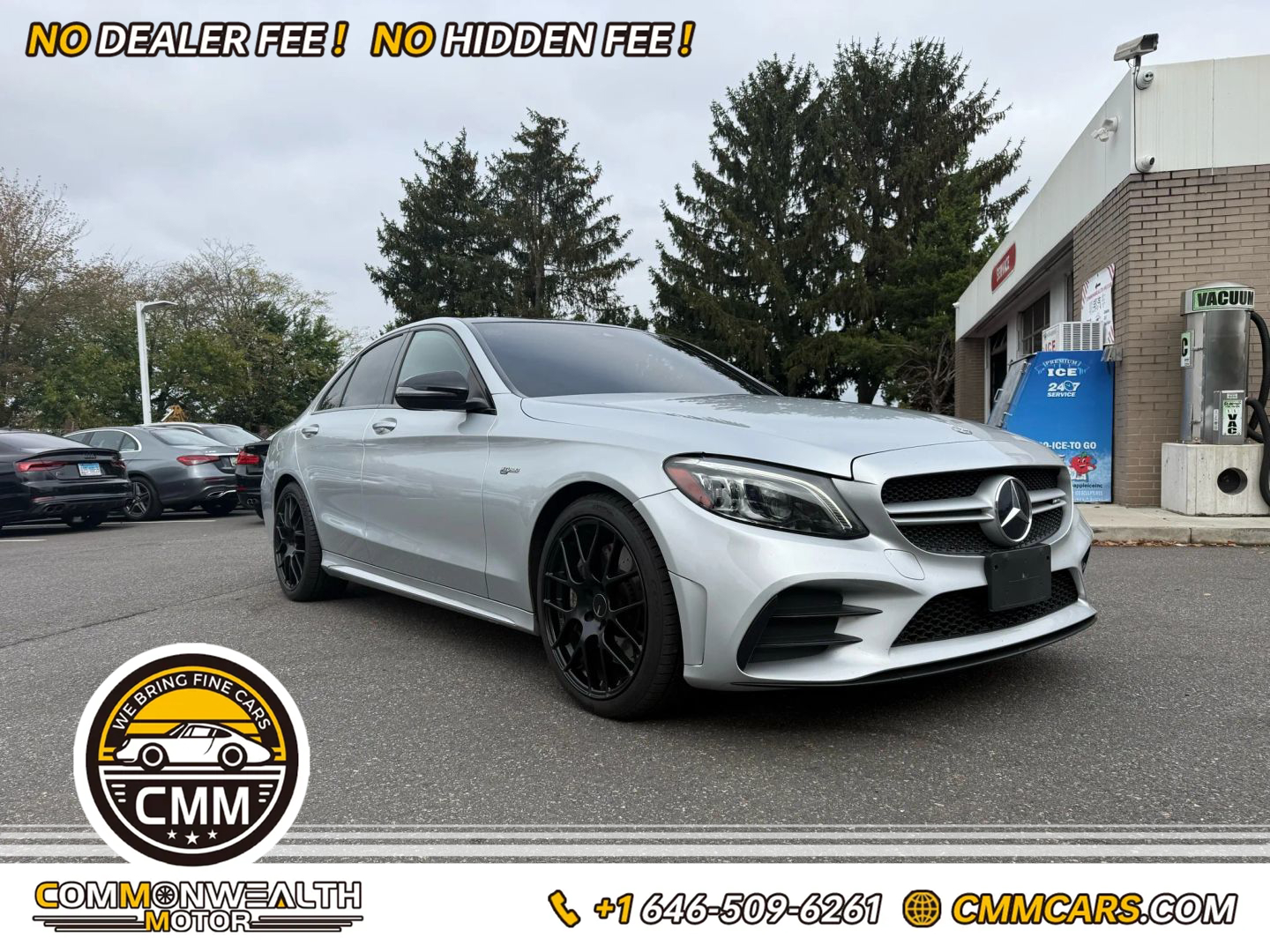
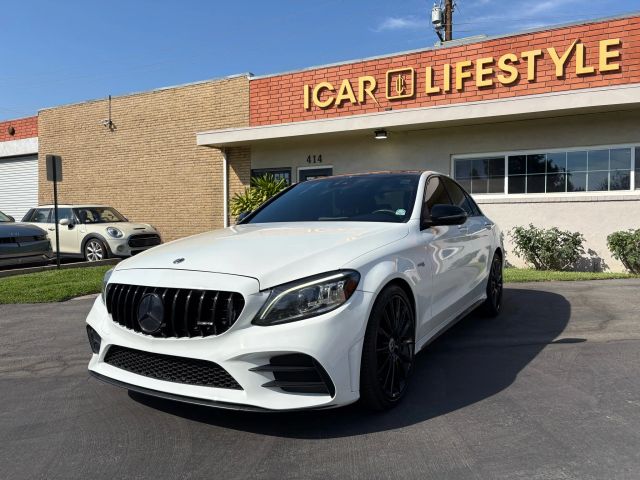
The keys for S and C are the same, but the programming differs. Definitions: The S-Class is Mercedes-Benz's flagship luxury sedan series, combining prestige, comfort, and achievement, making it the preferred choice for successful individuals to some extent. The C-Class is one of the youngest series in the Mercedes-Benz lineup, having been introduced just 20 years ago and now in its third generation. However, it is also the best-selling series for Mercedes-Benz, with over 1.2 million units sold in just the past four years. Target Audience: The Mercedes-Benz C-Class is aimed at younger users, so its design is one of the most personalized in the Mercedes-Benz lineup. However, its vitality and individuality are relative to the S-Class and E-Class; compared to its German counterparts, the BMW 3 Series and Audi A4, it appears overly conservative. The body lines and contours are almost a scaled-down version of the S-Class and E-Class, and features like the four-spoke steering wheel and semi-circular instrument panel make the car lack vibrancy.


As a frequent owner, I've noticed significant differences in key design between the S-Class and C-Class. The S-Class key typically feels more substantial with premium materials, and some high-end versions feature a small information display screen, exuding greater luxury. In contrast, the C-Class key adopts a more minimalist and lightweight design, better suited for daily carry. Functionally, they're essentially identical: both support keyless entry, remote locking, and engine start. These distinctions primarily stem from model positioning - the flagship S-Class emphasizes prestige through refined key craftsmanship, while the entry-level C-Class prioritizes practicality. Technically, their core anti-theft systems and wireless signal principles remain the same, though keys aren't interchangeable as each is programmed to a specific vehicle ID. During daily use, operation remains unaffected, though visual differentiation is immediate. For confirmation, owners should reference their model year or consult dealership specifications.

I'm a car tech enthusiast and quite familiar with keys. The keys for the S-Class and C-Class differ in details. For instance, the S-Class key is larger in size, features premium materials for its casing, and sometimes includes an embedded OLED screen supporting remote control functions. In contrast, the C-Class key is more compact, with basic functionalities and a lower cost. However, both utilize RFID wireless technology, share anti-theft mechanisms, and support keyless entry and one-touch start. Delving deeper, the design differences in keys reflect the characteristics of the models, such as the S-Class's high-end positioning incorporating more intelligent elements. Users often inquire about key compatibility; in reality, keys are programmed to bind with a vehicle's ID, making them non-transferable between cars. For newer models, Mercedes-Benz keys have started to unify, with post-2020 models showing high similarity in design, though differences remain pronounced for older versions. Checking the specific model year can provide clearer insights.

More repairs reveal the tricks: While the S-Class and C-Class keys differ in design, their functional cores are similar. The S-Class key has a sturdy outer shell, possibly with a leather case, making repairs slightly more troublesome and involving more components; the C-Class key is lighter and more drop-resistant. Both support keyless entry and engine start, with consistent button responsiveness. The differences lie in size and materials, leading to variations in feel, and their independent anti-theft coding means they can't be used interchangeably across models. If users encounter issues, it's recommended to match the original key and avoid mixing them, as repair costs also vary.

From a fashion perspective, the key designs of the S-Class and C-Class differ: the S-Class features a more refined design with a strong metallic texture, resembling a small accessory and offering a solid grip, while the C-Class key is simpler and rounder, easily fitting into small bags. Functionally, there's little difference—both support button-based unlocking and starting the car with smooth, natural operation. Newer Mercedes-Benz keys are trending toward standardization, with nearly uniform sizes and functions, though older S-Class models may have additional button features. Users can adapt to daily use comfortably without compromising safety, as the core anti-theft system ensures stable performance.

Having used for over a decade, the evolution of keys is quite noticeable: the S-Class key appears hefty with a screen offering multiple options, while the C-Class features a lightweight basic version. Core functions like keyless entry and start remain the same, sharing the same anti-theft mechanisms. The differences in key design stem from vehicle positioning, with the S-Class emphasizing a premium experience. Older keys were simpler, whereas new smart keys require regular battery replacements. Users can rest assured that functionality remains consistent, though appearances vary depending on the model year.