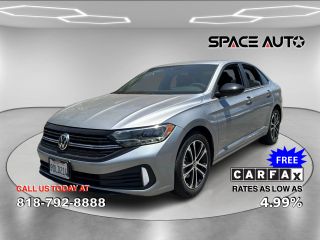
Jetta has not exited FAW- but has instead become an independent brand. Details about Jetta: The Volkswagen Jetta is a car brand produced by FAW-Volkswagen Automotive Co., Ltd., a joint venture of the German Volkswagen Group in China. The Jetta-MK1 was launched in Europe in 1979, and the new Jetta was launched in Chengdu on March 19, 2010. The all-new Jetta was launched in Shenzhen on March 9, 2013. Vehicle Features: The Volkswagen Jetta was the first in China to adopt the world's most advanced 5-valve multi-point electronic fuel injection engine. With its unique product design performance and comprehensive safety technology equipment, it formed the distinctive product characteristics of the Jetta series of cars.

I've always been a big fan of the Jetta, and it's quite a pity that this model has been discontinued in the Chinese market. Mainly because around 2020, Volkswagen spun off Jetta into a new brand, like the Jetta VA3, to better adapt to local demands. The automotive market has changed dramatically now, with consumers rushing to buy SUVs and electric vehicles, leading to a sharp decline in sales of traditional sedans. I guess Volkswagen felt that continuing the old model would be unprofitable. Environmental regulations have also become stricter, and the old Jetta couldn't meet emission standards. Upgrading the technology would be too costly, so they simply stopped production. This shows that the automotive industry is shifting towards new trends. I would recommend everyone to check out the new models under the Jetta brand—they're more energy-efficient and durable overall, though they do lack some of the classic designs. The era of buying cars like before is truly gone, and we need to keep up with the times.

I've been driving my Jetta for almost ten years. It's incredibly sturdy and reliable, but production stopped in China after 2020. There are several reasons: first, adjusted its product lineup and launched independent Jetta-branded models like the Jetta VS5 SUV, which appeal more to modern buyers. Second, market trends shifted—everyone started buying SUVs and new energy vehicles, while sedans fell out of favor. Third, stricter environmental regulations made the old Jetta's emissions non-compliant, and upgrading or maintaining it became too costly. As a veteran driver, I miss its dependability, but I suggest owners consider the newer Jetta models—they offer smoother rides and better fuel efficiency. Automakers must adapt to market demands to survive.

I heard from a friend that the Jetta was discontinued in China in 2020 because Volkswagen switched to operating the new Jetta brand independently. The market now favors SUVs and electric vehicles, while sales of traditional sedans are poor. With high emission standards, the older models no longer meet the requirements. I think this is a good thing—new cars are more environmentally friendly and smarter. We young people should take a closer look at upgraded versions like the Jetta VA3, which are also affordable. It's normal for automakers to adjust their strategies—who doesn't want to make money? Adapting to trends is what matters most.

The discontinuation of the Jetta is a strategic shift. In certain markets like China, production ceased in 2020 as Volkswagen established Jetta as an independent brand to reduce model overlap. Consumer preferences shifted towards new energy vehicles and SUVs, leading to declining demand. Stricter environmental regulations also rendered older models non-compliant. This move helps Volkswagen optimize resources to launch new vehicles, such as the more profitable and sustainable Jetta electric series. From a business perspective, refreshing the product lineup is essential to align with global decarbonization trends.

I believe the main reason for the discontinuation of the Jetta is environmental pressure. The new emission standards are stringent, and the older models couldn't meet them, leading to their discontinuation. The market is shifting towards electric vehicles and SUVs, causing the Jetta, as a fuel-powered sedan, to decline. Production ceased in China in 2020, and Volkswagen introduced the Jetta brand's new, more eco-friendly models. This reflects industrial progress and aligns with climate change goals. Fans of the old design may feel nostalgic, but I support automakers in developing sustainable models, which are better for the planet in the long run.