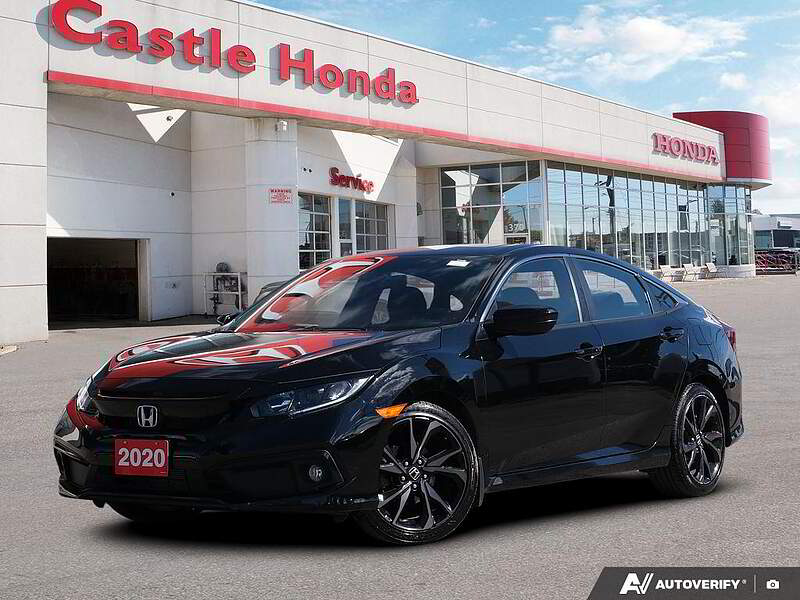
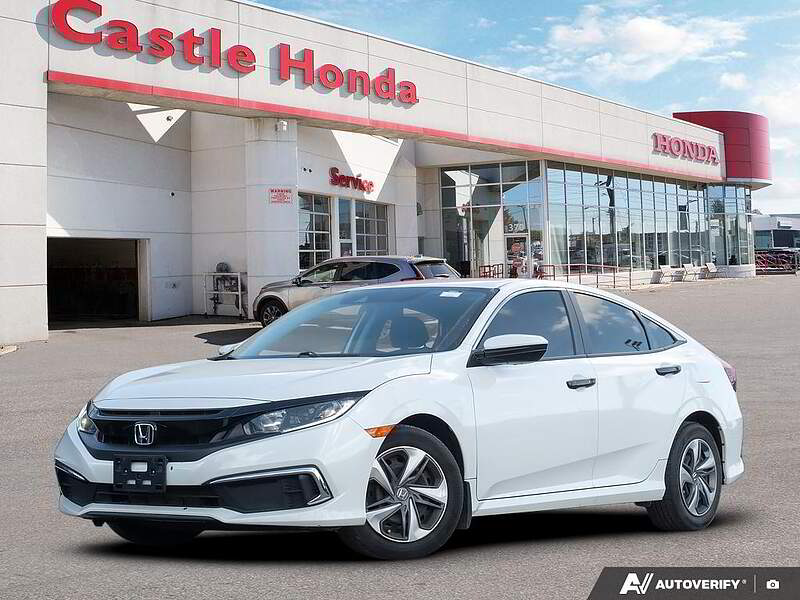
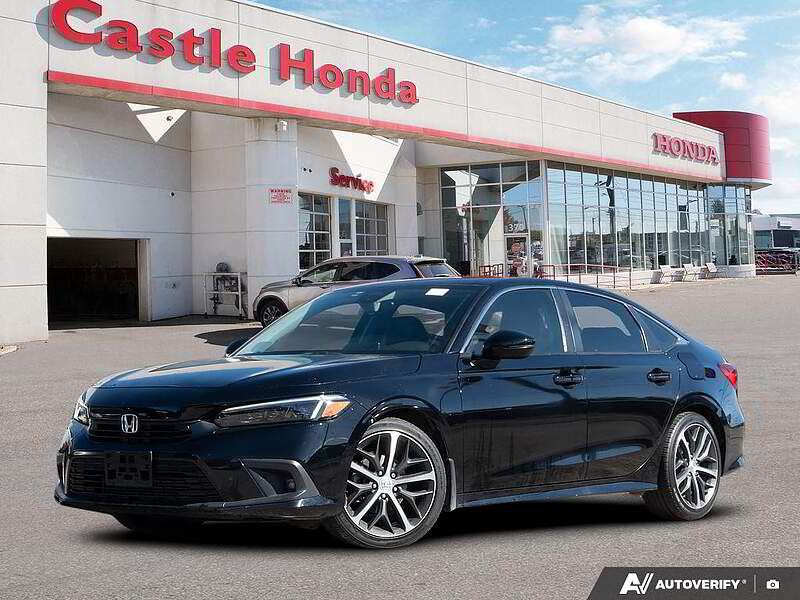
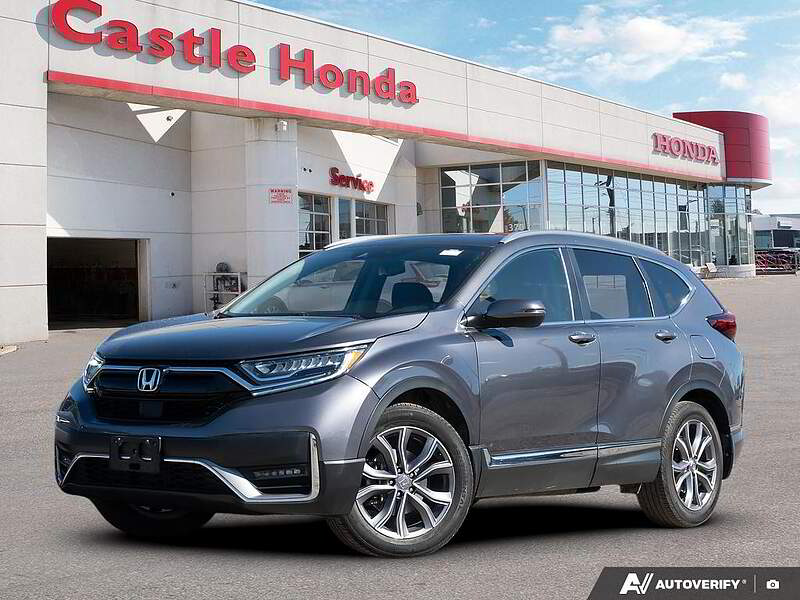
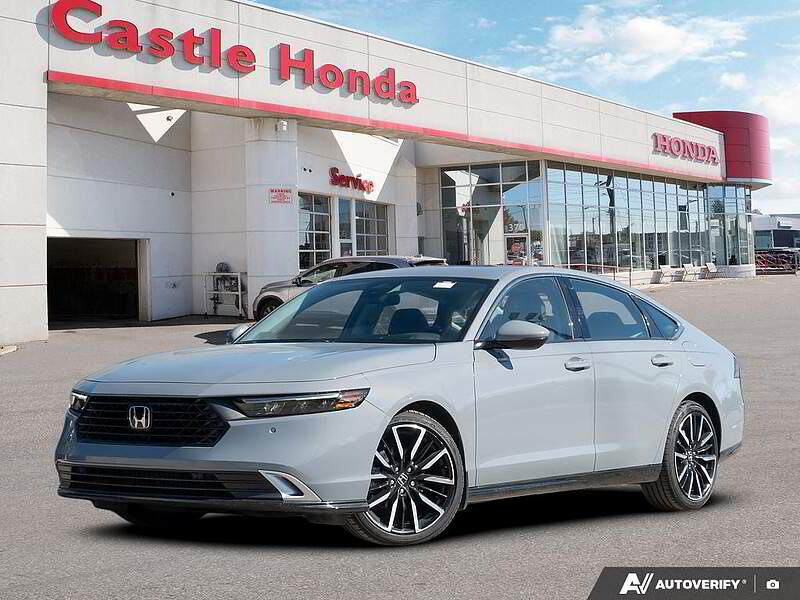
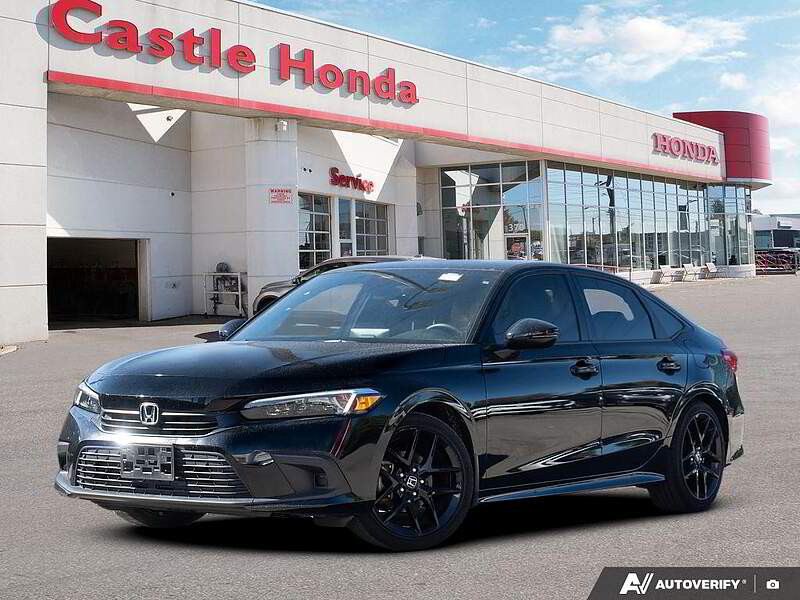
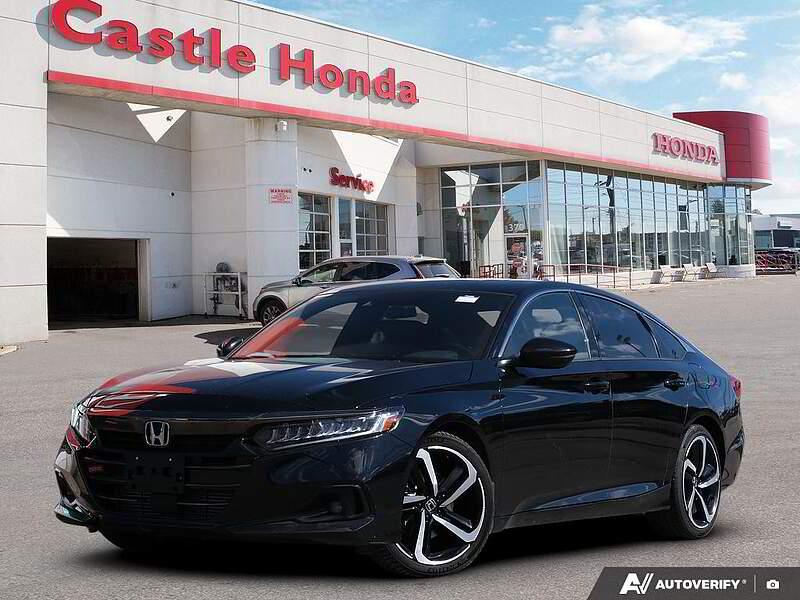
models affected by the oil dilution issue include: the new CR-V, 10th-generation Civic, new Jade, URV, and Avancier. Here is some information about Honda: Taking the Honda Avancier 2020 240TURBO 2WD Elite Edition as an example: 1. Exterior: Its body dimensions are: length 4858mm, width 1942mm, height 1670mm, wheelbase 2820mm, luggage compartment volume 510L, and curb weight 1708kg. 2. Powertrain: It is equipped with a 1.5L 4-cylinder turbocharged engine, with a maximum horsepower of 193PS, maximum power of 142kW, maximum power speed of 5600rpm, and is paired with a continuously variable transmission.


Regarding Honda's oil dilution issue, it primarily affects models equipped with the 1.5T engine produced around 2017 to 2019. As an automotive enthusiast, I've been closely following this matter. The commonly affected models include the gasoline and hybrid versions of the CR-V, all turbocharged variants of the Civic, the tenth-generation Accord, and the UR-V is also within the scope. The issue arises because during short-distance driving in cold temperatures, gasoline can seep into the engine oil, leading to dilution, which may cause engine wear or abnormal oil level increases. later addressed this through recalls by providing software updates that enhanced idle strategies to mitigate the problem. While similar issues have occurred with other brands, Honda's models are the most well-known. It's advisable for owners to avoid short trips in winter, regularly check oil levels—especially for these models—and promptly visit dealerships for software upgrades if issues are detected. With proper maintenance, major problems can generally be avoided, but routine upkeep should not be neglected.

I've driven a CR-V and personally experienced the oil dilution issue, which mainly affected older models of the CR-V and Civic, especially those produced between 2016 and 2018. A friend's Accord also had this problem. After short trips in cold weather, the engine oil might become thinner or have a gasoline smell, which was quite annoying. Fortunately, Honda issued a free recall, and a software update significantly improved the situation. In daily driving, I make it a habit to drive a bit longer to warm up the engine before parking. Newer models, like those released after 2020, should have improved designs and fewer issues. As an average car owner, I don't think there's much to worry about—just stick to regular maintenance. I recommend checking your vehicle model for any recall notices to prevent minor issues from turning into major repairs.

Having worked in the automotive industry for many years, I've frequently encountered oil dilution issues, particularly in CR-V gasoline models, Civic 1.5T models from the 2016-18 batches, and numerous cases with the tenth-generation Accord. Owners often report increased oil levels or unusual odors, mostly triggered by short-distance driving and low temperatures. We typically recommend upgrading the ECU software and adjusting engine warm-up time to effectively control the issue. Minimizing short-distance driving in daily use can prevent the problem from worsening. Newer models like the CR-V hybrid have already addressed this issue, so we advise regular oil changes to maintain cleanliness.

There's a Civic at home, and I've heard about the oil dilution risk, mainly affecting earlier models of CR-V, Civic, and Accord produced between 2017-19. Worried about potential long-term engine damage, but the dealer says updating the software can prevent it. When driving these cars in winter, pay extra attention to route planning to reduce frequent start-stop actions. Overall, Honda has addressed the issue promptly, and the risk is relatively low as long as you regularly check the oil condition. As a family, safety comes first—don't ignore warning lights for too long.

Online car owner groups are discussing the oil dilution issue extensively, affecting models including the 2017-19 CR-V, 2016-18 Civic, and 2018-19 Accord. Common complaints are oil thinning or level increase after short trips in cold climates. Honda responded quickly by offering recall upgrades as solutions. My personal experience with a Civic confirmed the issue disappeared after the update. I recommend joining communities to share experiences, getting regular professional inspections, and maintaining properly to prevent minor issues from escalating.