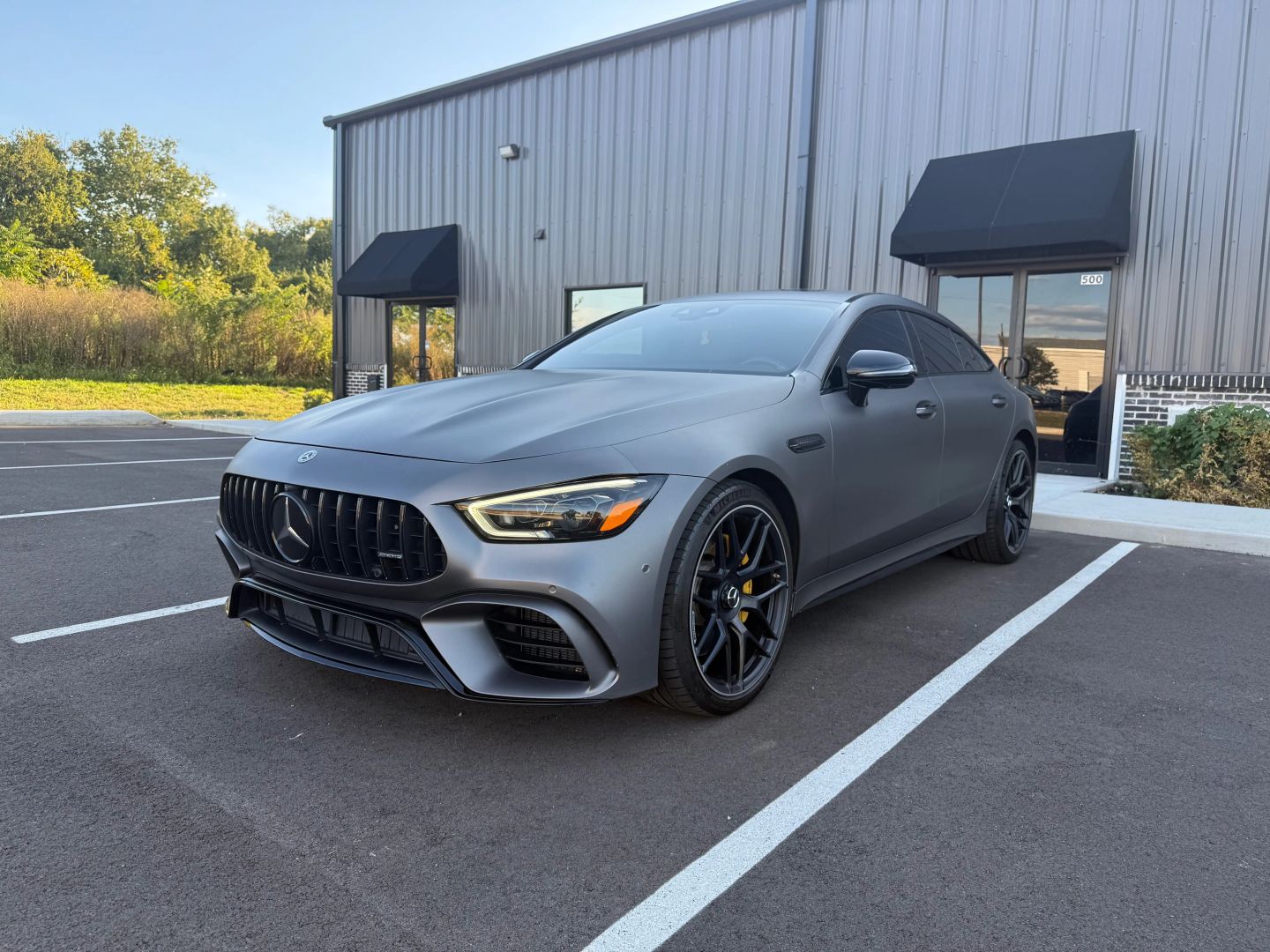
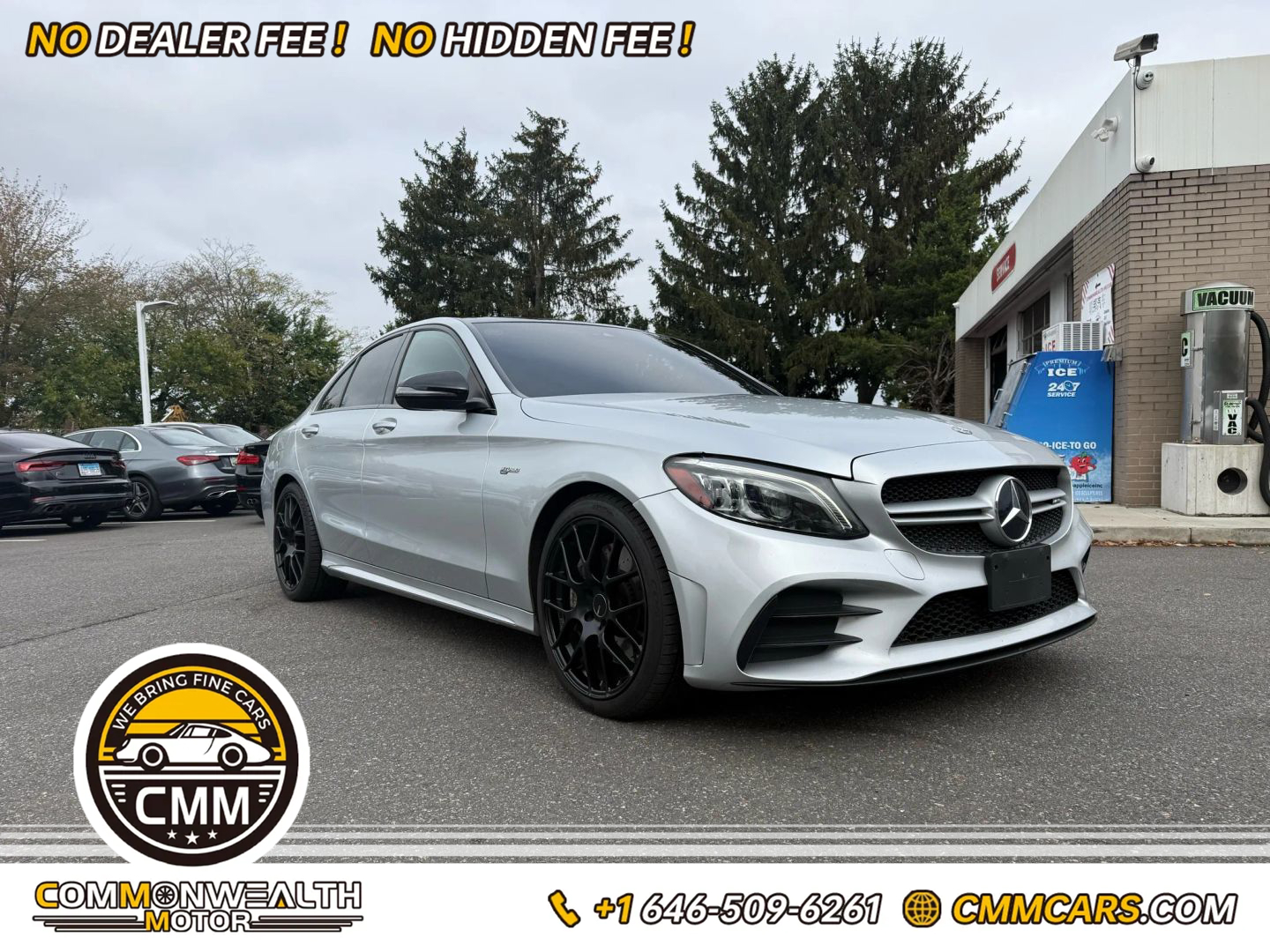
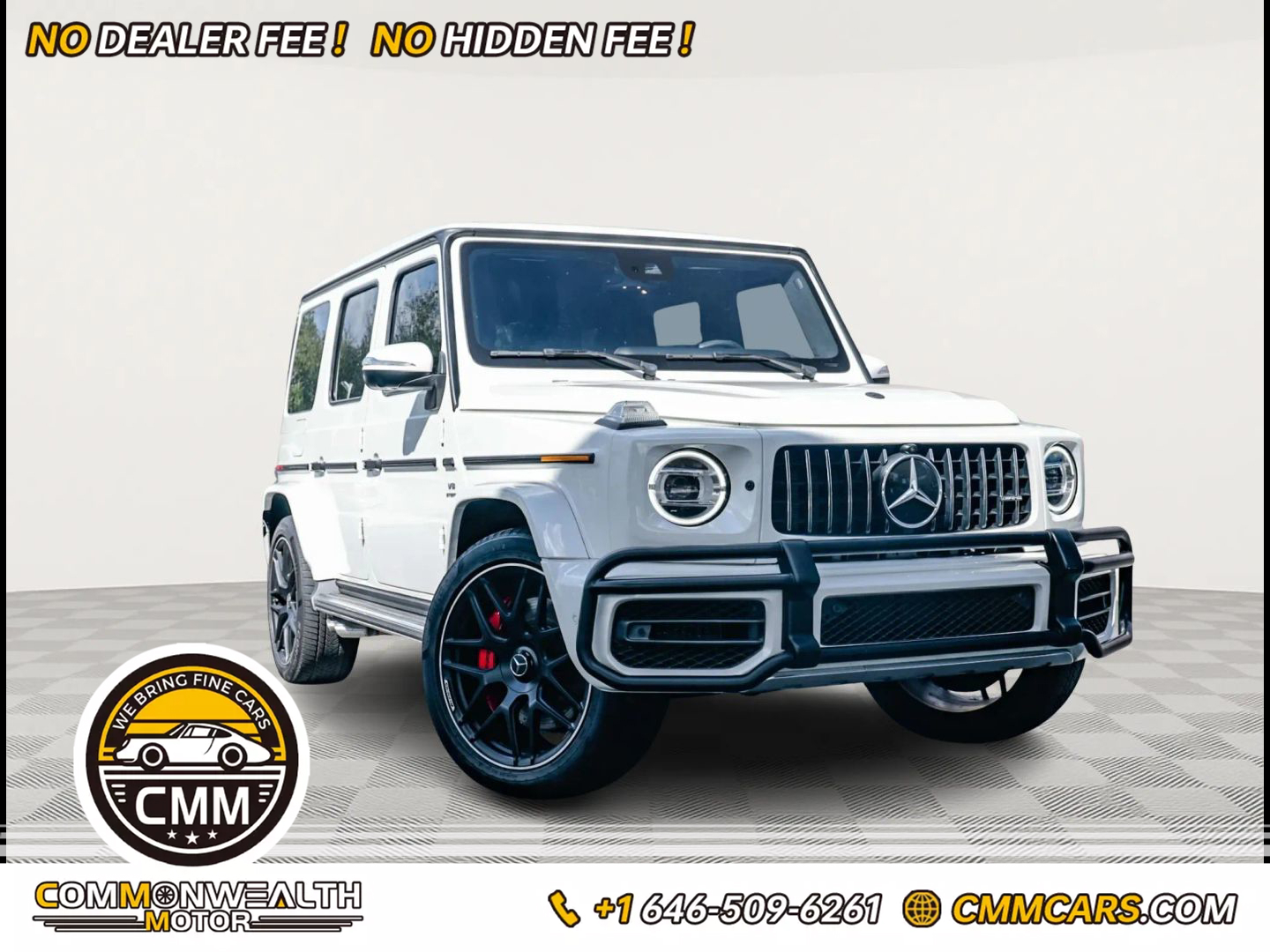
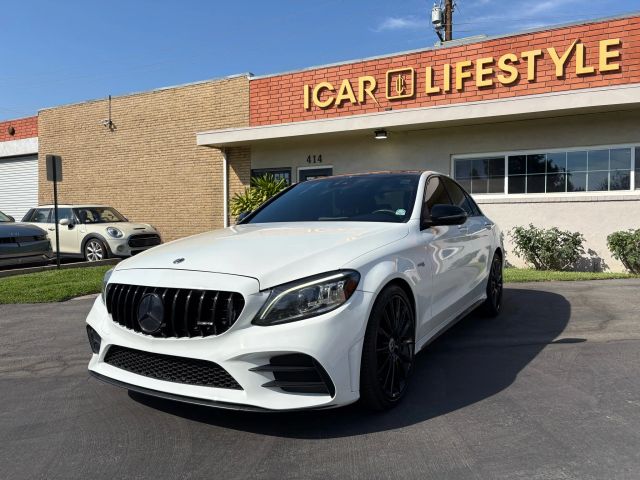
is a German automotive brand, considered one of the world's most premium car brands. Internationally, the brand is commonly referred to simply as Mercedes, while in mainland China, it is known as "Benz" (hence the name Mercedes-Benz). In Taiwan, it is translated as "Benz," and in Hong Kong as "Ping Zhi." Mercedes-Benz offers a range of models including the A-Class, B-Class, C-Class, E-Class, S-Class, CLS-Class, GLA-Class, GLB-Class, GLC-Class, GLE-Class, GLS-Class, G-Class, V-Class, coupe series, AMG versions, and the Maybach series. The Mercedes-Benz logo is a simplified representation of a steering wheel encircling a three-pointed star. The three-pointed star symbolizes land, sea, and air, indicating the brand's superior mobility across all terrains—land, sea, and air. The encircling ring represents its global marketing momentum. Key milestones in Mercedes-Benz's development include: 1926: Merger of Benz and Daimler. 1931: Launch of the first E-Class sedan. 1934: Production of the first bulletproof car. 1951: Introduction of the first Mercedes-Benz S-Class sedan, the W187. 1974: Launch of the world's first car with a 5-cylinder diesel engine, the 240D 3.0. 1979: Entry into the off-road vehicle market with the newly developed "G-Class." 1986: Official establishment of Mercedes-Benz China Ltd. in Hong Kong.


As a longtime car enthusiast, I must say is the pride of the German automotive industry. Founded by Karl Benz in 1886, the brand has always been headquartered in Stuttgart. The German pursuit of perfection is fully embodied in Mercedes vehicles - just look at their classic three-pointed star emblem symbolizing development across land, sea, and air. Interestingly, the current full name Mercedes-Benz only came about after the 1926 merger of Daimler and Benz. During West Germany's postwar economic miracle, Mercedes became a symbol of national revival. Today, the signature luxury of the S-Class has practically become the global template for executive cars. Every time I see new Mercedes designs, I marvel at the obsessive attention to detail from German engineers.

Having worked on countless models over the past 30 years as a mechanic, I can confidently say this is authentic German engineering. From the chassis to the engine, everything carries the hallmark German precision - especially their longitudinal rear-wheel-drive platform, which immediately reveals German design philosophy when servicing. While Beijing Benz now assembles vehicles in China, the core components still come from Stuttgart factories. I once disassembled an old S600 engine and saw German-labeled precision parts. Frankly, the high maintenance costs of German cars are justified - they demand exact torque specifications down to the last decimal point. This ingrained craftsmanship truly deserves the luxury brand reputation.

When we young people choose cars, we are always attracted by Mercedes-Benz's German heritage. Tracing back to its roots, Karl Benz invented the first automobile in Mannheim, Germany in 1886, which destined with German genes. Nowadays, when visiting Mercedes-Benz showrooms in shopping malls, salespeople always emphasize its identity as a genuine German import. The aggressive power tuning of the AMG series particularly embodies the flavor of German performance cars, and even the default language in the infotainment system is German. A few days ago, I came across a video by a blogger introducing the Mercedes-Benz Museum in Munich, and those classic vintage cars further confirmed the brand's century-old tradition of German manufacturing.

From the perspective of the automotive industry, Mercedes-Benz's status as a German brand is unquestionable. Headquartered in Stuttgart, the Daimler Group oversees its global business operations. What best exemplifies their German heritage is their technological approach, such as the OM series engines that push diesel technology to its limits, and the pioneering Magic Body Control system. Those who have visited the Bremen plant in Germany know that the precision and automation level of their assembly lines far surpass those of factories in other regions. Interestingly, Mercedes-Benz still retains its German product naming system, with designations like E Klasse remaining unchanged across other languages.

Mercedes-Benz's German identity must be understood through historical context. The story began in 1886 when Karl Benz invented the three-wheeled automobile in Mannheim, with patent DRP 37435 still preserved in the museum. Later, Gottlieb Daimler developed the four-wheeled car in Stuttgart. The merger of the two companies in 1926 truly established the German foundation of modern . Historical records of Mercedes-Benz producing equipment for the German military during World War II are also preserved in the Stuttgart archives. Today, on highways near Neuschwanstein Castle, camouflaged test vehicles are frequently seen, as the Mercedes-Benz R&D center conducts on-site vehicle tuning, maintaining the tradition of German-native development.