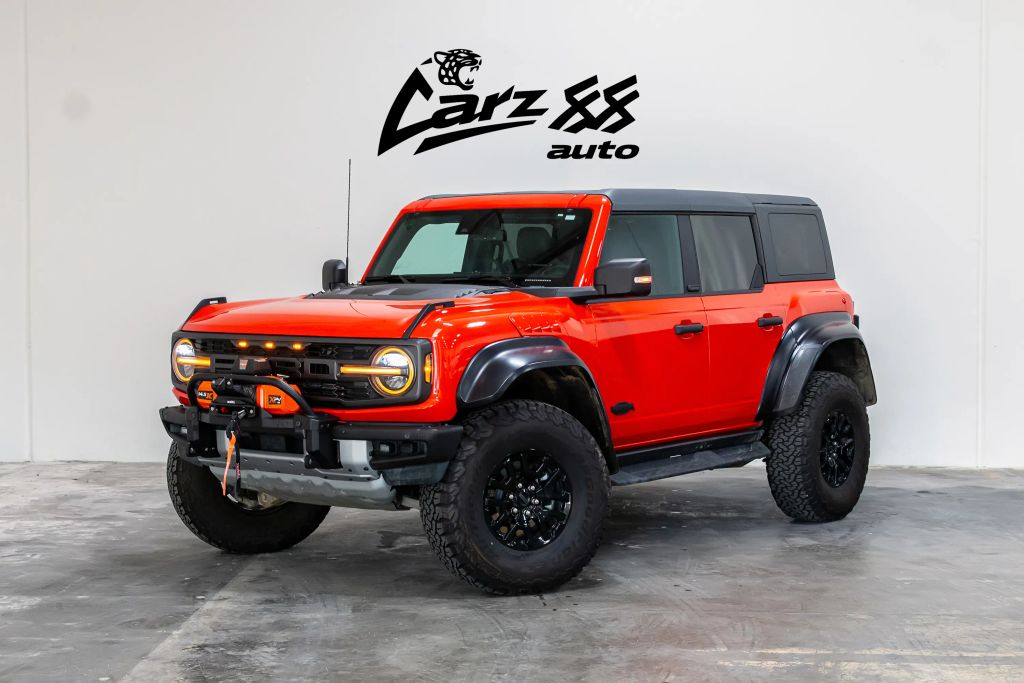
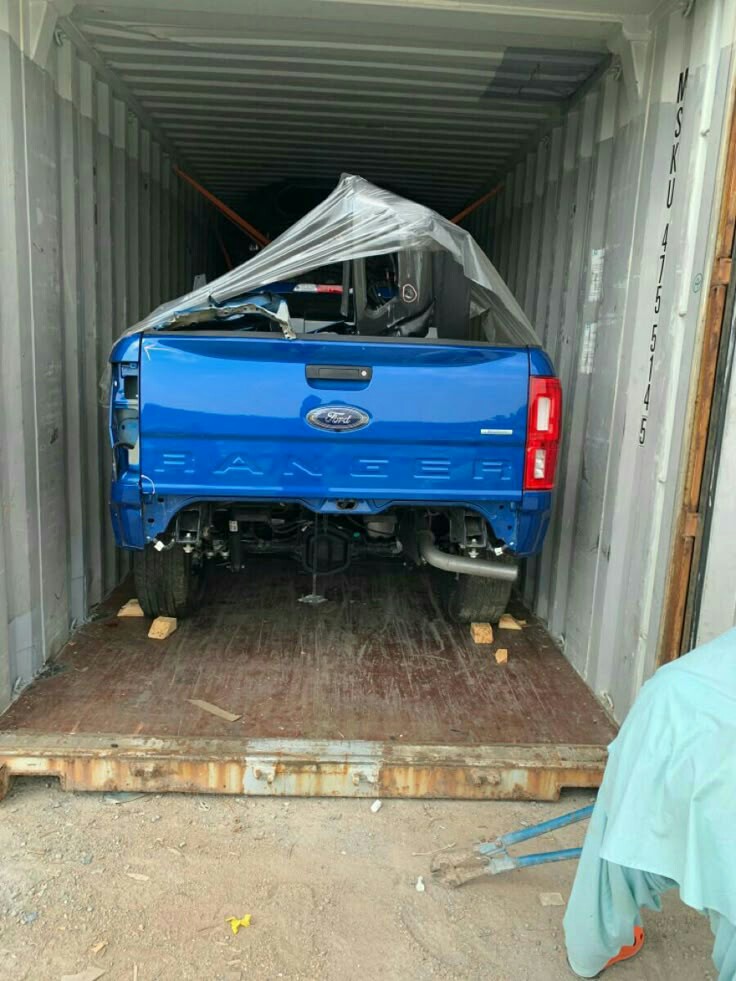
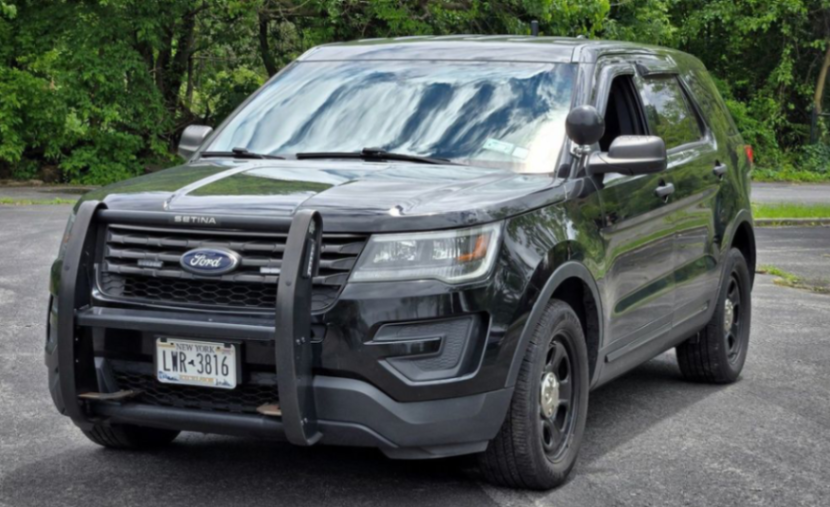
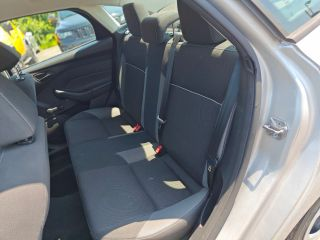
sedans are produced in the United States. Ford Motor Company mainly has three vehicle series: Changan Ford, imported Ford, and Jiangling Motors. Changan Ford includes models such as Focus, Mondeo, Kuga, EcoSport, Escort, Fiesta, and Edge. Imported Ford includes models like Edge, Explorer, Mustang, FOCUS ST, and FIESTA ST. Jiangling Motors only has models such as Ford Transit Custom and Classic Transit. Taking the Ford Everest as an example, its length, width, and height are 4892mm, 1862mm, and 1837mm respectively, with a wheelbase of 2850mm. The engine equipped in this vehicle has a maximum horsepower of 275Ps, a maximum power of 202kW, and a maximum torque of 455Nm.

Well, when it comes to sedans, what impresses me most is its origin story. Ford is an authentic American brand, founded by Henry Ford in 1903, with its headquarters in Detroit, Michigan, USA - the cradle of the automotive industry. It was here that the first Model T rolled off the assembly line, revolutionizing car manufacturing and making vehicles affordable for more people. Today, Ford has a global presence, but its roots remain firmly in America. Iconic models like the Mustang are still produced in its hometown, while other locations such as Chongqing, China or Cologne, Germany also manufacture compact sedans in local plants to reduce costs and adapt to regional markets. I believe this is one of the keys to Ford's success - bringing American innovation to the world while boosting local employment. Whenever people discuss automotive history, Ford's story always fills me with particular pride, as it truly propelled the transformation of the entire industry.

Last year, I bought a Focus. When selecting the car, I specifically asked the salesperson about its manufacturing origin. The salesperson told me that Ford is an American brand, but not all its cars are made in the U.S. It varies by model and production location. My Focus was manufactured at the Chongqing plant in China. The salesperson explained that this was to better serve the Asian market, making parts procurement and logistics more convenient, with lower costs and higher efficiency. In the U.S., Detroit produces more trucks and pickups. Ford's strategy is quite smart—leveraging global supply chain advantages to ensure affordable prices, which benefits customers. After driving it for a while, I found the performance stable and reliable. There's no need to worry about the manufacturing origin; what matters most is the brand's core technology and quality commitment.

From a manufacturing perspective, as an American brand, has a diversified production footprint. It originated in the United States, with factories in Detroit witnessing the history of the automotive industry. However, today Ford has plants in China, Mexico, Europe, and elsewhere. Specifically, models like the Focus or Fiesta may be manufactured in China, while the Mustang or F-Series trucks are more likely to be produced in the U.S. or Canada. This strategy helps Ford reduce costs and respond quickly to regional demands. I understand their approach is to optimize the supply chain, such as minimizing parts transportation costs and tariffs, making vehicles more affordable. When purchasing, consumers may want to check the origin label of specific models, as some locally produced vehicles are better suited to regional environments and fuel standards.

The story of sedans is quite fascinating, deeply rooted in American culture, and Henry Ford's invention propelled it to global fame. Initially, all cars were manufactured in the U.S. However, with the wave of globalization, Ford established factories worldwide, such as joint ventures in China producing compact models like the Focus, and European plants manufacturing small-sized vehicles. I had the chance to test-drive a friend's car and found that regardless of where it was produced, Ford's quality and performance remained consistently reliable. The reason behind this lies in the brand's unified standards, ensuring safety and driving experience. This reflects the adaptability of American industrial wisdom to global changes, offering users more convenient choices.

I remember the old in my family when I was a child. It was originally made in the USA and had a lot of power when driving. Later, I learned that Ford expanded its production locations. While the USA is its origin, models like the Focus are often manufactured in China or Europe to balance costs and markets. I visited the Shanghai factory once, and the production line was highly efficient and professional. Ford ensures standardized quality control no matter where the cars are produced. This not only saves resources but also supports local economies. I think when buying a Ford, there's no need to overthink the production location—what matters most is the driving pleasure and reliability promised by the brand.