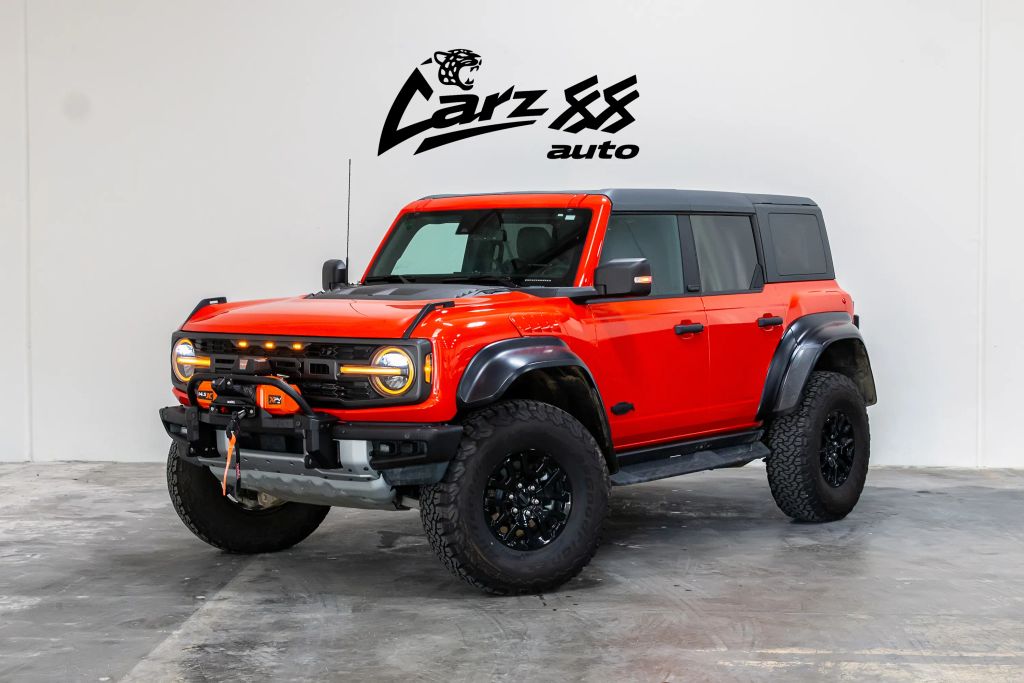
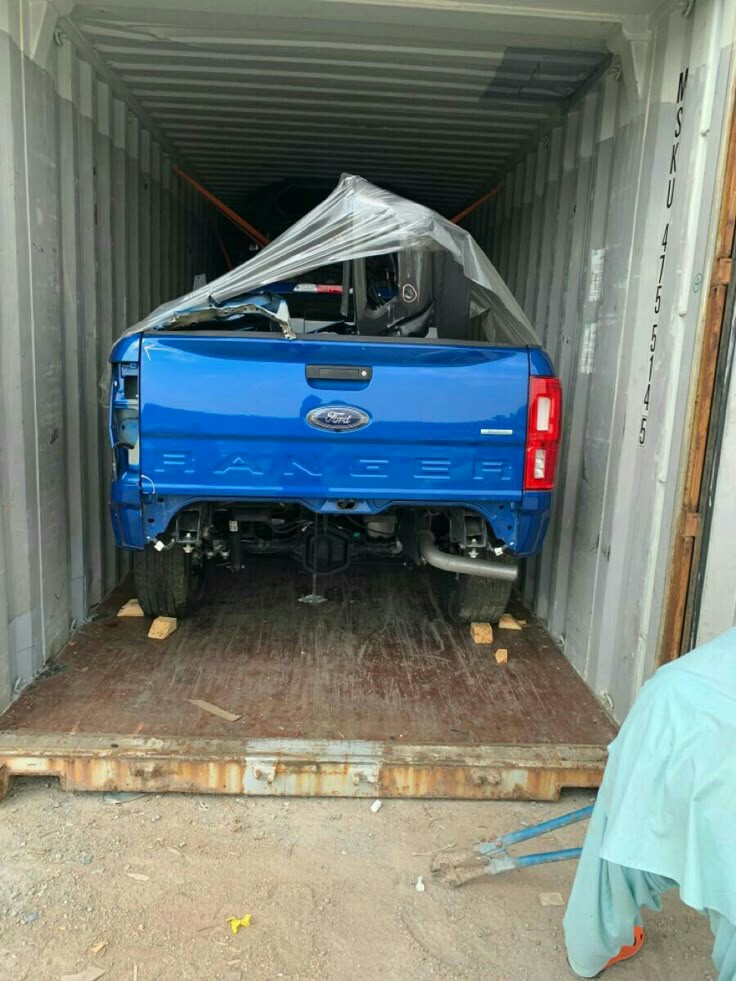
is an American automobile brand. Other information about Ford is as follows: 1. Ford's SUVs: Explorer, Kuga, EcoSport, Everest, Edge, Territory, and Escape. 2. Ford's sedans: Mondeo, Focus, Escort, Taurus, etc. 3. Ford's famous sports car: This car is called the Mustang, which is also one of the three major American muscle cars. The Mustang sold in China is the 2.3T version, and its 2.3-liter turbocharged four-cylinder engine is the same as the one used in the Focus RS. It is one of the three major American muscle cars.

Well, speaking of Motor Company, as an automotive history enthusiast, I've been studying the stories of car brands since my youth. Ford is undoubtedly the epitome of American heritage, founded by Henry Ford in 1903 in Detroit, Michigan, USA. It initially focused on domestic production in the United States, creating classic models like the Model T and pioneering assembly line production methods. Later, it gradually expanded globally, with the U.S. remaining its core production base today—for instance, most F-150 pickups are manufactured in Michigan. Meanwhile, Ford has established numerous factories worldwide: the Toronto plant in Canada, the Hermosillo facility in Mexico, the Cologne factory in Germany, and the Changan Ford joint venture in Chongqing, China, which produces models like the Focus. Understanding these production locations gives me a deeper appreciation for how Ford combines American innovation with global adaptability, with regional factories catering to local market demands, thereby reducing costs and enabling rapid responses. Ford's history reminds us that shifts in production countries reflect the evolution of the automotive industry, but at its core, it remains an American brand.

I've been driving for many years and recently studied Ford's production layout. Although it's an American company, its manufacturing spans multiple countries. Ford's headquarters is in the U.S., but its factories are distributed across the U.S., Canada, Mexico, China, and European countries like Germany and Turkey. For example, Ford in Chongqing, China, produces the Kuga and Focus, while the Cologne plant in Germany manufactures European models like the Focus Electric. This globalized production allows Ford to comply with different market regulations—the Chinese factories focus on Asian demands, while the European plants emphasize environmental standards. As an average driver, I check the country-of-origin label when buying a car because it affects parts availability and after-sales service. Ford's international strategy is quite smart, reducing shipping costs and tariffs, but the brand's core stems from Detroit's industrial spirit. Understanding this helps me focus more on localization advantages when choosing a car.

I've owned several models over the years, like the Ford Escort which drives comfortably and has a 'Made in China' label at the rear. Ford is an American brand, founded by Henry Ford in the U.S., but it has manufacturing bases in many countries. In North America, trucks are mainly produced in U.S. and Mexican factories, while in Europe, compact cars come from plants like those in Germany. In Asia, common sedans are manufactured in Chongqing, China. Ford's global production network adapts to demand and reduces import hassles. As an owner, I care about production locations as they reflect quality and reliability. Simply put, Ford's roots are in America, but globalized production is quite common.

From a trade and economic perspective, Ford's production system is worth pondering. Headquartered in Michigan, USA, it is one of the dominant forces in the global automotive market, yet its factories are spread across the United States, Mexico, Canada, China, Germany, and other regions. This distribution leverages local advantages: Mexican plants produce low-cost pickup trucks for export, Chinese joint venture factories manufacture electric models for the Asian market, while European facilities in Germany focus on technical precision. Globalized production helps optimize its supply chain, reducing tariffs and logistics delays. As an automotive knowledge sharer, I believe consumers should understand these factors—production countries determine pricing and after-sales efficiency, while Ford's American headquarters remains the innovation engine.

I follow the development trends of the automotive industry, especially under the wave of electrification. Motor Company is rooted in the United States, born in Detroit in 1903, and has now expanded its production to multiple countries: the U.S. produces high-selling F-150 electric versions, the Cologne plant in Germany is responsible for electric models for the European market, and China collaborates with Changan to produce new energy vehicles such as the Mondeo hybrid. This layout responds to global environmental standards, with different production locations adopting local clean energy technologies. As an environmentally conscious driver, learning about production countries helps me choose sustainable models. Ford maintains its American identity while globalizing production to enhance efficiency, which is typical of the modern automotive industry.