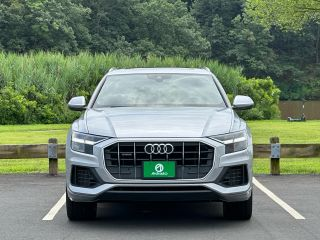
···
Log in / Register

What type of engine oil is recommended for Audi Q3?

6Answers
ClaraDella
08/31/2025, 10:08:07 PM

Audi Q3 is recommended to use Audi genuine full synthetic SM grade 5W-40 engine oil. More information about Audi Q3 is as follows: 1. Audi initially provided three four-cylinder engines for Q3, among which the standard gasoline version is equipped with a 170 horsepower 2.0TFSI engine, while the top model of Q3 is equipped with a 2.0TFSI engine from Q5 with a maximum power of 211 horsepower, accelerating from 0 to 100 km/h in 6.9 seconds. The 2.0TDI diesel engine has a maximum power of 140 horsepower. 2. The interior of Audi Q3 inherits Audi's consistent style, with reasonable layout; rich configurations and strong technological sense; clear digital instrument panel indications; good materials and fine workmanship; diverse interior color schemes, providing a wide range of choices.

Was this review help?
112
Share
DelMaci
09/13/2025, 01:05:55 AM

I previously drove an Audi Q3 for several years and found that choosing the right engine oil can extend engine life. This model generally recommends synthetic oils meeting the original VW 502.00 specification, such as 5W-30 or 5W-40. Brands like Mobil 1 work very well—I've personally used it for long trips without issues. Remember not to skimp on cheap, low-quality oils as they can cause carbon buildup and engine damage. The manual clearly states the standards; 5W-40 performs better in high temperatures. The typical oil change interval is around 7,500 to 10,000 kilometers—don't wait too long to avoid compromising driving safety. If you do more city commuting, a lower-viscosity 5W-30 may save fuel, but local climate conditions should also be considered.

Was this review help?
15
Share
Expand All
DelAvery
10/27/2025, 01:52:56 AM

My experience is that the Audi Q3 requires engine oil that meets VW standards, such as 502.00 or 507.00. The common specification is 5W-30 synthetic oil, and in colder climates, 0W-40 can improve cold-start performance. Castrol engine oil has good compatibility, and I always recommend it. The engine's high precision design benefits from low-viscosity oil, which reduces friction and saves fuel. Also, pay attention to choosing OEM or compatible oil filters, as mismatched ones can lead to oil leaks. During maintenance, check the oil level—avoid overfilling or underfilling, as this is a basic safety tip. Checking every 8,000 kilometers is sufficient.

Was this review help?
6
Share
Expand All
EmmaLee
12/10/2025, 01:08:42 AM

I prefer eco-friendly driving and prioritize environmentally friendly engine oils when choosing one, such as 5W-30 low-viscosity synthetic oil, which can reduce fuel consumption and emissions. It's suitable for the Audi Q3. 0W-xx oils perform better in cold regions, ensuring quick starts and energy savings. Brands like Shell Helix offer eco-friendly versions. Change the oil every 6 months or 7,500 kilometers to ensure the engine operates efficiently. This also helps reduce emissions and is environmentally friendly.

Was this review help?
9
Share
Expand All
OFernando
01/30/2026, 02:17:52 AM

As a practical person, spend your engine oil budget wisely. For Audi Q3, 5W-40 synthetic oil is commonly recommended, with Castrol or Mobil 1 offering good value for money - often available at discounts on Amazon. Always check the manual for VW 502.00 specification first; non-compliant oil can damage components. DIY oil changes save money, and oil filters aren't expensive either. Avoid the cheapest options - engine protection comes first. Regular checks every 7,000 km will extend your vehicle's lifespan.

Was this review help?
17
Share
Expand All
ChloeDella
04/25/2026, 01:23:06 PM

I'm fascinated by car performance. The Audi Q3 engine requires high-quality oil like 5W-40 high-performance synthetic oil, with Mobil 1 FS model enhancing acceleration and reducing noise. It's compatible with VW specification 507.00. Racing experience suggests low-viscosity oil improves responsiveness, but don't exceed the recommended viscosity. Regular changes every 5,000 kilometers with fluid level checks ensure smooth and safe driving.

Was this review help?
2
Share
Expand All
More Q&A

Can I register a car with just a bill of sale in Texas?

No, you cannot complete a car registration in Texas using only a bill of sale. A bill of sale is a supporting document that initiates the process, but the legally required document is the vehicle title, properly signed by the seller. Finalizing registration requires a specific package of documents and steps submitted to your local County Tax Assessor-Collector. The mandatory documentation includes: The Original, Signed Title: The seller must sign the title on the back, exactly as their name appears on the front. Without this, you cannot prove legal ownership transfer. Application for Texas Title (Form 130-U): This state form must be completed with accurate vehicle and buyer/seller information. Proof of Texas Liability Insurance: You must show current insurance that meets Texas minimum coverage requirements. Passing Vehicle Safety Inspection Report: Texas requires a recent inspection from an authorized station. Some counties also require an emissions test. A bill of sale is useful as a receipt for the transaction price and date, but it is not a substitute for the title. The Texas Department of Motor Vehicles (TxDMV) explicitly states that a title is required for registration. If you purchased a vehicle and the seller cannot provide the title, you face a significant hurdle. You cannot register it with just a bill of sale. Your primary legal pathways are to apply for a Bonded Title or obtain a Court Order to Establish Ownership . The bonded title process involves purchasing a surety bond, typically for 1.5 times the vehicle's value, which protects the state against any prior ownership claims for a set period. Timing is critical. You have 30 days from the date of purchase to complete the registration to avoid late fees. Remember, in Texas, license plates remain with the seller, so you will need to obtain new plates during the registration process. The most common mistake is assuming a bill of sale is sufficient. Always secure the signed title at the point of sale. If the title is lost, work with the seller to apply for a duplicate before completing the purchase. For complex cases like bonded titles, consulting the TxDMV website or your county tax office directly is advised. Documentation Checklist: | Document | Purpose | Mandatory? | | :--- | :--- | :--- | | Signed Vehicle Title | Proof of ownership transfer | Yes | | Form 130-U | Title and registration application | Yes | | Proof of Insurance | Financial responsibility | Yes | | Inspection Report | Vehicle safety/emissions compliance | Yes | | Bill of Sale | Supplemental sale record | No, but recommended | | Personal ID | Buyer identification | Yes | Process Steps: Secure the signed title, complete Form 130-U, and obtain insurance. Get the vehicle inspected at a certified station. Take all documents to your county's Tax Assessor-Collector office. Pay all applicable title, registration, and sales tax fees.
267
Share

Is a Jeep Compass a good buy?

The Jeep Compass is a good buy for buyers who prioritize off-road capability and style at a competitive price, but it's a compromise for those seeking fuel efficiency, a refined driving experience, or premium cabin materials. Its value is strongest in 2019 and newer models, which address earlier reliability concerns. The capable Trailhawk trim and standard all-wheel drive are unique selling points in the compact SUV segment. Key Considerations: Model Years, Pros, and Cons The most critical factor is choosing the right model year. Models from 2019 onward are recommended for their improved reliability and updated technology. The 2022 refresh brought more significant upgrades, including standard safety features like automatic emergency braking and a better infotainment system. For the best experience, 2023 models with the 2.0L turbocharged engine are the top pick. Key advantages include genuine off-road prowess, especially with the Trailhawk trim's specialized features. The cabin offers generous passenger space and a comfortable ride. The Uconnect infotainment system remains one of the most user-friendly interfaces on the market. Primary drawbacks involve powertrain refinement and running costs. The base 2.4L engine can feel underpowered and noisy during acceleration. Fuel economy is a notable weakness , with FWD models averaging around 26 MPG combined, which lags behind segment leaders. Some competitors also offer more upscale interior materials. Reliability and Ownership Costs Recent reliability data shows improvement. For example, the 2021 Jeep Compass received a J.D. Power Predicted Reliability Score of 81 out of 100, which is above average. However, long-term ownership patterns indicate that some owners report issues with the engine and transmission over time. Prospective buyers should budget for slightly higher running costs compared to brands like Toyota or Honda, factoring in the subpar fuel economy. Consideration Details Impact on "Good Buy" Decision Best Model Years 2019+ for reliability; 2022+ for tech/safety High : Choosing a newer model mitigates key historical weaknesses. Off-Road Capability (Trailhawk) 20:1 crawl ratio, Selec-Terrain®, increased ground clearance High : A defining, best-in-class feature for target buyers. Fuel Economy ~26 MPG combined (FWD), often lower in real-world AWD use High : A major ongoing cost disadvantage versus rivals. Powertrain Refinement Noisy engine; 9-speed transmission can be hesitant Medium : Affects daily driving enjoyment but not durability. Reliability Rating Above-average predicted scores for recent model years Medium : Improved but not best-in-class; due diligence on vehicle history is advised. Performance and Practicality The optional 2.0L turbocharged engine (standard in 2023+ Latitude and above) delivers 200 horsepower and 221 lb-ft of torque , providing much more confident acceleration than the base engine. The Compass shines in practicality. The rear seats are roomy for the class, and cargo space is competitive. The Trailhawk trim's off-road hardware, including a "low-speed crawler gear," Rock mode, and all-terrain tires, allows it to tackle trails that would stop most compact SUVs. Ultimately, the Jeep Compass is not the most well-rounded vehicle in its class, but it serves a specific purpose exceptionally well. Its verdict hinges on your priorities . If you want a stylish SUV with standard AWD and legitimate off-road potential without a massive price tag, the Compass, particularly a 2022 or newer model, is a compelling choice. If your driving is exclusively urban and you prioritize low running costs, a quiet cabin, and a silky-smooth drive, competitors like the Honda CR-V, Mazda CX-5, or Hyundai Tucson are more refined alternatives.
287
Share

What is the best way to make a balloon-powered car?

The best balloon-powered car prioritizes a rigid yet lightweight chassis, minimized friction on the axles, and an efficient, airtight nozzle. A car under 50 grams can achieve distances over 10 meters on smooth flooring. Success depends on balancing these three principles: every gram removed and every point of friction reduced directly translates to greater speed and distance. Critical Design Factors and Performance Data A high-performing design is a system where all components work together. The table below outlines the impact of material choices based on common classroom or household competitions. Component Optimal Choice & Rationale Performance Impact & Data Context Chassis Plastic water bottle or 3mm foam board. Lightweight and rigid; a bottle chassis often weighs 15-25 grams , providing a sturdy base without excess mass. Axles & Bearings Wooden skewers running inside plastic straws. The straw acts as a simple bearing. This reduces friction by over 70% compared to axles rubbing directly against the chassis frame. Wheels Uniform plastic bottle caps or rigid CDs. Lightweight and true; misaligned wheels create drag and can reduce travel distance by 30-50% . Nozzle (Engine) Flexible straw secured airtight to the balloon. Nozzle diameter is key: a standard 6mm straw offers a balance. A 50% wider opening increases speed but shortens burst time, often reducing overall distance. Assembly Process for Maximum Efficiency Start by taping two full straws parallel to the bottom of your chassis; these are your axle housings. Insert the skewer axles through them. Attach wheels (like bottle caps) to the skewer ends with glue or sticky tack, ensuring they spin freely without wobbling. For the engine, insert a flexible straw into the balloon’s neck and seal it tightly with a rubber band and tape. Tape this assembly to the chassis top, aligning the straw exit perfectly straight and parallel to the ground. Testing and Precision Tuning Initial tests reveal adjustments. If the car spins, the axles are not perpendicular to the chassis centerline. If it drags, check for glue on the axles or wheels rubbing against the body. The final tuning focuses on the nozzle angle and car balance. The escaping air must push straight back. A straw pointing slightly downward wastes thrust into the ground. Add small weights like coins to counterbalance a lopsided chassis, but remember that adding 10 grams of corrective weight can decrease max distance by up to 20% . The optimal release surface is smooth hardwood or laminate flooring, as carpet pile can cut distance in half.
153
Share

What do I need for a mousetrap car?

To build a functional mousetrap car, you need a standard mousetrap as the engine, a lightweight chassis (balsa wood or foam board), wheels (CDs or bottle caps), axles (wooden dowels), and string for propulsion. Essential tools include a hot glue gun and a drill. The key to performance lies in optimizing the lever arm length and wheel-to-axle ratio for either speed or distance. Core Components and Materials The power comes from a single wooden snap-back mousetrap . The chassis must be lightweight and rigid; common choices are balsa wood, corrugated cardboard, or foam board. For axles, 1/8-inch or 3/16-inch diameter wooden dowels are standard. Wheels can be repurposed from old CDs or DVDs for distance, or use smaller plastic lids or off-the-shelf model car wheels for speed. Propulsion is achieved with a strong, thin string like braided fishing line tied to the mousetrap's spring arm (hammer) and wound around the rear axle. A functional build also requires traction aids—rubber bands or balloons stretched over wheels—and assembly tools: a hot glue gun, wire cutters, a hobby knife, and zip ties for securing parts. Critical Build Tips for Performance Lever Arm Extension: Attaching a long, lightweight dowel (e.g., 12-24 inches) to the mousetrap's hammer significantly increases pulling distance and torque. Secure it with glue and reinforce it with zip ties. For a speed car, a shorter arm is more effective. Axle and Bearing System: Friction is the enemy. Use sections of plastic straws or brass tubing glued to the chassis as low-friction bearings for the axles to spin freely. Ensure axles are straight and parallel. Wheel Attachment and Alignment: Wheels must be securely and concentrically mounted. For CD wheels, use plastic washers and a tight-fitting axle hub (like a cork) to prevent wobble. Market trends in science competitions show that larger rear wheels paired with a long lever arm optimize for distance, while a lightweight chassis with small, uniform wheels is best for speed trials. Traction and Friction Management: Apply a thin strip of electrical tape or a sliced rubber balloon to the driving wheels' edges. Reduce weight and front axle friction to a minimum. Test on a smooth, hard surface like a hallway floor for consistent results.
260
Share

What is the best natural remedy for car sickness?

Ginger is the most effective and well-supported natural remedy for preventing and relieving car sickness. Consuming about 1-2 grams of ginger 30 to 60 minutes before travel can significantly reduce nausea symptoms. Its efficacy is backed by clinical studies, including a review published in the Journal of the American Board of Family Medicine , which analyzed multiple trials and confirmed ginger's superiority over a placebo in managing motion-induced nausea. The primary reason ginger works so well is its active compounds, gingerols and shogaols. These compounds help soothe the stomach and digestive tract, reducing the signals of nausea that travel to the brain. Unlike some medications, ginger typically does not cause drowsiness, making it a preferred choice for drivers or active travelers. For comprehensive management, combining ginger with other behavioral and natural strategies yields the best results. The following table outlines the core natural remedies, their application, and supporting data: Remedy How It Works Key Application Tip Supporting Insight Ginger Soothes stomach, reduces nausea signals. Take 1-2g (e.g., tea, capsule, candied) 30-60 min pre-travel. Clinical review confirms efficacy vs. placebo. Acupressure Bands Applies pressure to P6 (Neiguan) point on wrist. Wear on both wrists before nausea starts. Used in military and aviation for decades. Peppermint Aromatherapy can calm stomach muscles. Inhale essential oil or sip peppermint tea. Study in Journal of Gastrointestinal Surgery noted its anti-nausea effects. Behavioral Focus Aligns visual & vestibular motion signals. Sit front seat, focus on horizon, avoid screens/reading. FAA guidance for pilots emphasizes horizon focus. Dietary Management Prevents an empty or overly full stomach. Eat a light, bland snack (crackers, green apple) before travel. Cruise industry surveys note green apples as crew favorite. Acupressure bands are a drug-free mainstay, applying constant pressure to the P6 point. Their use is common among sailors and frequent fliers. Market data indicates they are a standard recommendation in travel health kits. Peppermint, primarily through inhalation of its essential oil, offers a quick, accessible intervention. Its mechanism is believed to involve calming gastrointestinal spasms and providing a distracting, soothing scent. Behavioral techniques are foundational. The conflict between what your eyes see (a stationary book) and what your inner ear feels (motion) causes sickness. Sitting in the front seat of a car or over-the-wing on a plane minimizes motion perception. Actively looking at the distant horizon helps your brain reconcile sensory inputs. Fresh air from a vent can also reduce overwhelming odors that trigger nausea. Regarding dietary tips, the advice about green apples comes from widespread anecdotal evidence among travel industry professionals, often cited in publications like Travel + Leisure . Eating a small, bland snack beforehand stabilizes stomach acid. If natural remedies provide insufficient relief, it indicates a more sensitive vestibular system. Consulting a doctor for options like over-the-counter meclizine or prescription patches is the recommended next step. Consistency is key—the most effective remedy is the one you use proactively at the first sign of discomfort.
287
Share

Are smart cars expensive on insurance?

Smart cars are generally not expensive to insure ; they are often cheaper than the national average for passenger vehicles. Annual premiums for standard coverage typically range from $790 to under $1,000 , with many drivers paying at or below this range. The average cost to insure a smart car falls between $800 and $1,200 per year , which is frequently lower than the U.S. national average for all vehicles. This lower cost is primarily due to the car's low purchase price and small size, which can limit repair costs in certain accidents. However, insurance costs vary significantly based on the specific model, driver profile, and location. Model & Factor Typical Annual Premium Range Key Insurance Consideration Smart Fortwo (Gasoline, older models) $750 - $950 Most affordable to insure due to lower value and established repair history. Smart EQ Fortwo (Electric) $950 - $1,300 Higher premiums due to specialized electric components and repair networks. Primary Cost Driver N/A Low market value versus specialized part costs ; this conflict is central to insurance pricing. A critical factor is the total-loss threshold . Because smart cars have a low actual cash value (ACV), even moderate damage can lead to an insurer declaring the car a total loss if repair estimates approach 50-60% of the ACV. This is a major consideration for insurers when setting rates. Model choice directly impacts your premium. The classic gasoline-powered Smart Fortwo is consistently among the least expensive models to insure. In contrast, the all-electric Smart EQ Fortwo or newer models may see premiums 15-25% higher due to their advanced technology and more costly repairs. Your personal profile—including driving history, age, credit-based insurance score (where permitted), and location—remains the most significant variable. A driver with a clean record in a suburban area will pay far less than a new driver in a dense urban center with high claim rates. To secure the best rate, actively seek discounts. Many insurers offer reductions for bundling policies, maintaining a clean driving record, or for the car's safety features. Its robust Tridion safety cell has earned good safety ratings for occupant protection, which some insurers reward.
288
Share
Cookie
Cookie Settings
© 2025 Servanan International Pte. Ltd.