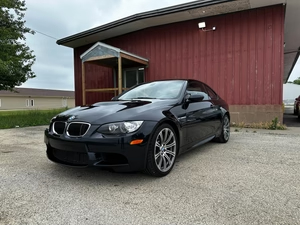
Here are the handling methods for a slightly bulged run-flat tire: Replace the Tire Immediately: Bulging is an irreversible damage to the tire structure and cannot be repaired, so the tire must be replaced immediately. Even run-flat tires cannot completely avoid the risk of a blowout. Stay Calm in Case of an Accident: If the bulging has already caused a blowout, keep both hands firmly on the steering wheel, try to maintain straight-line driving, avoid pulling the handbrake or slamming on the brakes abruptly, and avoid making sharp turns. Instead, use gentle braking to slow down and try to move away from the main road. It is advisable to develop the habit of regularly checking the tire pressure of your vehicle. Many drivers tend to ignore tire pressure as long as the warning light is not on, often realizing the problem too late. Both overinflated and underinflated tires are problematic. Overinflated tires become too hard and lose elasticity, making them prone to ply separation when subjected to external impacts. Conversely, underinflated tires increase friction between the rim and impact objects, also leading to separation. Additionally, car owners should pay attention to the tire pressure value when picking up their vehicles. Generally, maintaining it around 2.5 bar is sufficient.

When my run-flat tire showed a slight bulge, I immediately slowed down to a safe speed because I knew that despite being called 'run-flat,' a bulge indicates possible damage to the tire's sidewall structure, which can easily lead to a blowout at high speeds. Last time, I helped a friend deal with a similar situation—he thought it was fine but nearly had an accident. I drove straight to a specialist repair shop, where the technician took one look and said it must be replaced, not repaired, because a small bulge could mean broken cords inside. After handling it, I also consulted about run-flat tire maintenance and now check tire pressure and appearance every two weeks, avoiding impacts on uneven roads. In short, safety comes first—don’t skimp on replacement costs. Spending a few thousand on a set of tires is worth it.

I noticed a small bulge on the run-flat tire of my car, and my first thought was the cost—replacing a new tire isn’t cheap. I checked the quote at a 4S dealership, which was over two thousand yuan per tire. Comparing it with authorized repair shops outside, they were a few hundred yuan cheaper, but I was concerned about the quality. After asking a friend, I learned that a bulging tire must be replaced immediately due to the high risk of continued use. Fortunately, my insurance covers part of the cost, but I’ll need to provide a diagnostic report for the claim. I’d advise other car owners to document the mileage and take photos of the bulge for easier claims. Driving slowly over potholes in daily use can extend tire life and save money. Run-flat tires are generally more durable, but minor damage should still be addressed promptly—otherwise, the cost could be much higher.

Discovering a tire bulge, my car repair experience tells me to address it immediately. A slight bulge usually indicates internal cord breakage after the tire wall is impacted, causing air to protrude, which poses a significant risk. Do not attempt to continue driving, especially at high speeds. Drive to a professional shop and have a technician inspect the location; if the sidewall is damaged, the tire must be replaced. Run-flat tires have design advantages, but physical damage is equally dangerous. Conduct a simple visual check of the bulge size—the larger it is, the more urgent the replacement. Replacing with a new tire ensures safety; don’t wait for an accident to regret it.

The day before yesterday, while washing my car, I noticed a slight bulge on my tire and nervously asked my colleagues about it. They strongly recommended going to a 4S shop for inspection. The next day, I went there, and the technician used professional tools to detect the hidden danger, replaced it with a new tire, and added a tire maintenance service. Now I have developed the habit of checking tire pressure and appearance every month, and avoiding hard curbs while driving. A small tip is to park farther away from the curb to reduce the risk of impact. Don't delay in dealing with bulges; safe travel is the top priority.

My run-flat tire has a slight bulge, but as an experienced driver, I remind everyone not to take it lightly. Prevention is key: drive slowly over potholes and maintain tire pressure at the manufacturer's recommended value to reduce impact damage. If a bulge appears, stop immediately for a visual , then drive at low speed to a repair shop for tire replacement. Regularly rotate the tires and conduct full vehicle inspections; BMW run-flat tires require professional maintenance. Safe habits extend tire life, and addressing small issues early saves hassle and ensures safety.