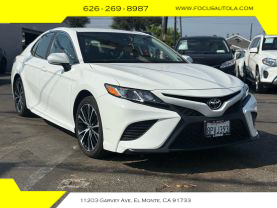
Ermey is the Toyota Camry. In terms of configuration: The Camry 2.0 Luxury Edition comes with comprehensive features, including power seats, a sunroof, keyless entry, keyless start, child locks, and more. The interior space is very spacious, and it is equipped with the TSS (Toyota Safety Sense) suite, providing significant safety assurance for driving. In terms of power: The Camry 2.0 Luxury Edition is powered by a 2.0-liter naturally aspirated engine, delivering smooth power output without any jerking. It produces 178 horsepower, with a maximum power of 131 kW and a torque of 210 Nm, paired with a simulated 10-speed CVT transmission.

When you mentioned Ermey, I guess you might be referring to the Toyota Alphard? This premium MPV is particularly popular among business professionals, and it's common to see celebrities riding in it to and from airports. What I love most are its two independent aviation-style seats, which come with ventilation, heating, and leg rest adjustments. There's even a small folding table in the rear, making long trips incredibly comfortable. Its hybrid system is also very fuel-efficient, averaging around 8 liters per 100 kilometers, which is quite economical for such a large vehicle. However, the markups are indeed outrageous, often requiring an additional several hundred thousand yuan just to take delivery. The interior materials aren't as refined as those in the Mercedes-Benz V-Class. But its resale value is remarkably strong—after three years, you can still sell it for about 80% of the original price, making it practically an investment product.

Just helped a friend pick up an Alphard last week, this car is literally a moving first-class cabin. The sound insulation is exceptionally well done, closing the windows instantly blocks out all the outside noise. The second-row zero-gravity seats can recline flat, paired with 16-color ambient lighting and theater-grade audio system, it's so comfortable you could fall asleep. The interior space is incredibly flexible, with all seven seats independently adjustable, and when the third row is folded down, it can fit luggage for the whole family. Of course, there are downsides too, like the 3.5L engine's fuel consumption around 12L/100km, parking in the city can be tricky, and the over 5-meter-long body requires caution when making U-turns on narrow roads. isn't cheap either, replacing a front bumper can cost over ten thousand.

From a technical perspective, the Alphard's core lies in its THS-II hybrid system, featuring a 2.5L engine paired with dual electric motors, delivering smooth and quiet performance. Safety configurations are quite comprehensive, with the TSS ( Safety Sense) system as standard across all models, including adaptive cruise control and pre-collision functions. The chassis tuning leans towards comfort, excelling in vibration absorption over speed bumps, though noticeable body roll occurs during aggressive cornering. The new model adds a streaming rearview mirror and kick-sensing power sliding doors, significantly enhancing its tech appeal. However, the infotainment system responds somewhat sluggishly, and the wireless charging pad placement isn't very user-friendly. Toyota could really learn a thing or two from emerging automakers regarding these details.

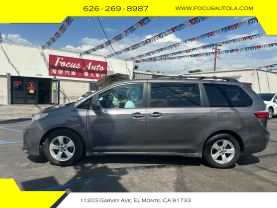
If you have a large family and are considering an Alphard, the actual experience is quite complex. It's very convenient for outings with two kids, as it can comfortably fit three child safety seats with plenty of room for children to move around. The storage design is thoughtful, with 11 cup holders alone, and the trunk can easily accommodate a stroller. However, there are two major drawbacks for family use: first, the high maintenance costs, with minor services starting at 2,000 RMB; second, poor ground clearance—the 170mm clearance makes it prone to scraping on steep slopes. Personally, I'd recommend checking out the Sienna instead. It offers similar space but saves you 200,000 RMB, making it a more economical choice for grocery runs and school pickups.

In the market, the Alphard is practically a hard currency. A 2015 model still fetches 400,000 to 500,000 yuan nowadays, holding its value better than a Mercedes-Benz S-Class from the same year. This vehicle has a hidden advantage—its tremendous modification potential. I've seen people install starry sky headliners, car refrigerators, even PlayStation 5 consoles. But be careful not to buy parallel-imported Mexican versions, as their configurations may be downgraded. The leasing market particularly favors this model too—hiring one with a driver costs over 2,000 yuan per day. When reselling after three years, don't forget to provide maintenance records; dealers will compete for it if the records are complete.