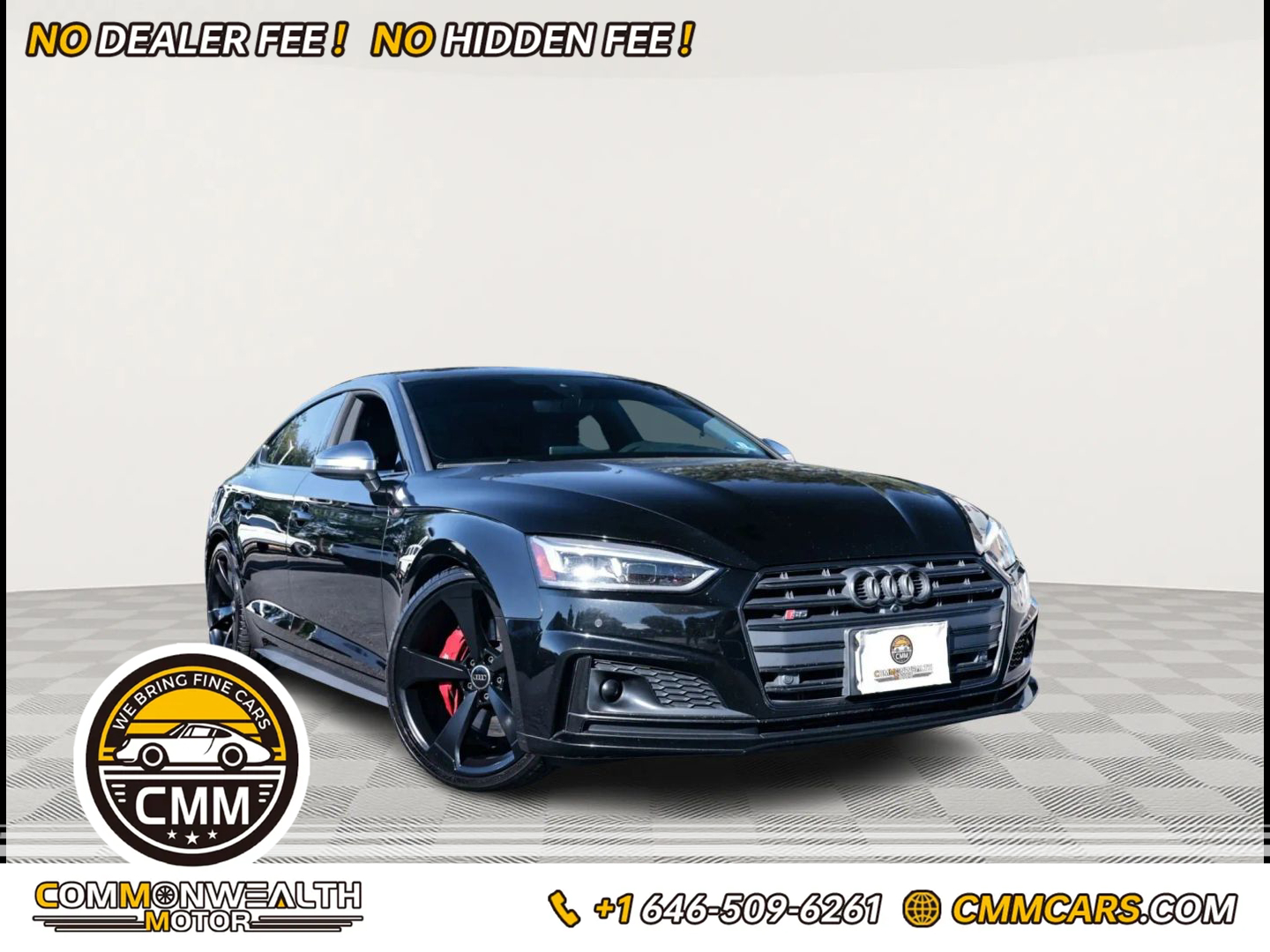
A3 simultaneously displaying four faults may be caused by loose or broken wiring or possible damage and air leakage in the intake pipe. Below is an introduction to the Audi A3: 1. Exterior: The overall design of the Audi A3 continues the current model, but the body color has been increased to six options, and the S-Line model adds the S3 version's intake grille, providing consumers with a richer selection. 2. Interior: The overall design of the Audi A3 remains unchanged, with only minor upgrades. For example, the 2020 Audi A3 in the 35TFSI Fashion trim and above is equipped with red RS air vents and S-series steel footrests. However, in terms of configuration, the new car has undergone certain upgrades, such as standard cruise control and electrically heated folding exterior rearview mirrors across the entire lineup.

Last week, I repaired an A3 that had four warning lights simultaneously illuminated. The most common culprit in such cases is a faulty wheel speed sensor. This component is only about the size of a fist, but if one fails, the ABS, transmission, ESP, and tire pressure systems all stop working because the computer can't receive wheel speed signals, triggering collective alarms. I remember the owner mentioned the issue appeared after driving through a deep puddle in the rain. Upon disassembly, we found the left front wheel sensor connector completely rusted from water immersion. In such situations, simply replacing the sensor will suffice, but it's also advisable to check if the wheel bearing has been waterlogged. If you feel the brake pedal pulsing during emergency braking, chances are high this is the issue.

When all four warning lights illuminate on an A3, there's an 80% chance it's a bus communication failure—I've encountered this multiple times. The gateway module acts like the vehicle's central nervous system; if it has poor contact or suffers water-induced short circuits, the dashboard lights up like a Christmas tree. Once, while troubleshooting for a client, I found the issue was a loose gateway connector on the left side of the trunk—pressing it gently reset everything. For such problems, I recommend first checking the gateway fuse in the fuse box, then using a diagnostic tool to inspect the communication protocol. Aftermarket central control screens or additional installations are particularly prone to interfering with bus signals—factory wiring is highly sensitive to improper modifications.

Unstable voltage can cause false fault codes in the Audi A3. Last time, my neighbor's new car had all four warning lights illuminated upon delivery. Inspection revealed a burnt-out voltage regulator in the alternator, causing voltage fluctuations that triggered system errors. Modern vehicles with over thirty control modules will trigger collective warnings when voltage drops below 11 volts. Reminder: avoid jump-starting casually, as loose battery terminals can cause similar issues. It's best to measure cold-start voltage - readings below 12 volts warrant attention.

When four warning lights appear simultaneously, the chassis system should be the primary focus of inspection. The wheel speed sensors on the A3 are particularly sensitive; even slight bearing wear or metal shavings on the magnetic ring can trigger false alarms. The last car I repaired had false alerts from the ESP and tire pressure systems due to abnormal noise from the right rear wheel bearing, and the issue disappeared after cleaning off the metal shavings. It's advisable to check if the wiring harnesses of the four-wheel sensors are worn, especially for vehicles frequently driven on rough roads. Calibration of the steering angle sensor is also crucial, as misalignment of the steering wheel can easily trigger stability system warnings.

This situation may be caused by abnormal sleep mode of the control module. Last time when dealing with an A3 whose dashboard remained fully lit after parking, we found it was due to a current leakage in the body control unit, which continuously woke up the system during parking and triggered false warning lights. Nowadays, the electronic systems in German cars are overly complex – just approaching with the key activates dozens of modules. Recommendation: First turn off automatic headlights, wait half an hour, then restart for testing. Daily reminder: Avoid placing electronic devices near the gearshift lever as magnetic interference can easily affect gateway operation.