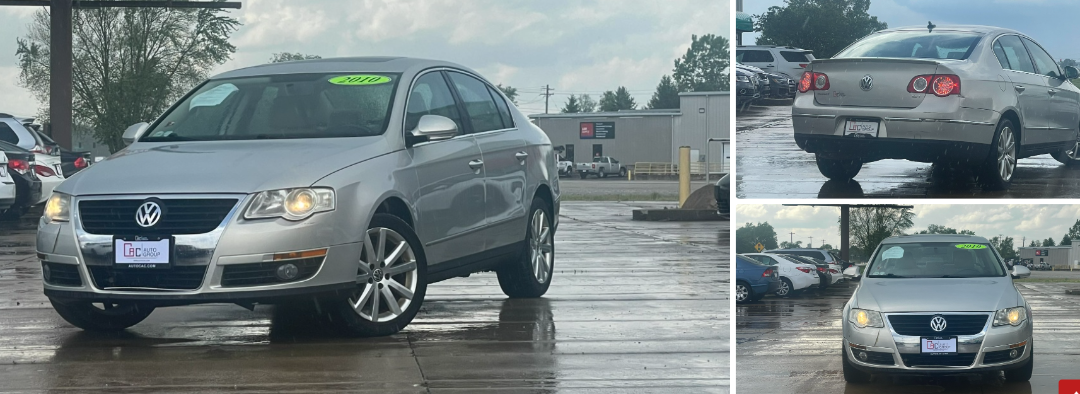
The most widespread and consistent issue across many modern Volkswagen models is excessive oil consumption, often linked to specific engine designs. This is not just an occasional complaint but a documented pattern acknowledged in technical service bulletins. While other problems like turbocharger failures or carbon buildup are significant, abnormal oil consumption affects a broader range of vehicles and owners over time, leading to potentially severe engine damage if unaddressed.
A primary culprit is the design of certain piston rings in earlier TSI and FSI engines, particularly those from the late 2000s to early 2010s. These rings sometimes fail to properly seal, allowing oil to seep into the combustion chamber and burn off. Some owners report needing to add a quart of oil every 1,000 to 2,000 miles, far exceeding typical expectations. This issue is prevalent in models like the 2008-2011 VW CC, 2009-2014 VW Jetta, and similar Audi vehicles sharing the EA888 Gen 1 and Gen 2 engine families.
Beyond oil consumption, several other engine-related problems form a common cluster for VW owners. Carbon buildup on direct injection engine intake valves is a near-universal maintenance item for vehicles without supplemental port injection. Fuel detergents don’t clean the back of the intake valves, leading to rough idles, power loss, and misfires typically around the 60,000-80,000 mile mark. This necessitates a costly walnut blasting service.
Turbocharger failures, especially in earlier 2.0T iterations, are another critical failure point. Symptoms include loss of power (limp mode), excessive blue or white smoke from the exhaust, and loud whistling or whining sounds. Failure often stems from oil starvation due to clogged feed lines, faulty wastegate actuators, or seals degrading from heat cycles. The repair is expensive as it involves both parts and significant labor.
The timing chain tensioner flaw in EA888 engines is a notorious and potentially catastrophic defect. A weak tensioner mechanism can fail, causing the timing chain to jump teeth and resulting in piston-to-valve interference, which destroys the engine. While more common on pre-2013 models, the concern persists for many owners. A telltale sign is a rattling noise on cold startup for more than a few seconds.
Cooling system leaks are a frequent age and mileage-related issue. Plastic components like the water pump housing, thermostat housing, and coolant flange become brittle and crack. The water pump itself, often made with a plastic impeller, can fail prematurely. These leaks lead to overheating, which can quickly cause major engine damage.
Finally, electrical gremlins and sensor failures are pervasive, triggering the check engine light. Common failures include the oxygen sensors, mass air flow sensor, and coolant temperature sensor. While sometimes simple to fix, diagnosing the root cause among VW's complex wiring can be challenging and lead to recurring warnings.
| Problem | Common Models/Engines | Typical Symptoms | Key Cause |
|---|
| Excessive Oil Consumption | EA888 Gen 1/2 (2008-2014~) | Low oil between changes, blue exhaust smoke | Faulty piston ring design |
| Intake Valve Carbon Buildup | Most TSI & FSI Direct Injection | Rough idle, misfires, reduced power | Lack of fuel cleaning on valves |
| Turbocharger Failure | Earlier 1.8T, 2.0T models | Loss of boost, loud whistling, smoke | Oil starvation/seal failure |
| Timing Chain Tensioner | EA888 Pre-2013 (Primarily) | Rattling on cold start, risk of engine destruction | Tensioner mechanical failure |
| Cooling System Leaks | Wide range, higher mileage | Coolant puddles, overheating | Plastic component degradation |