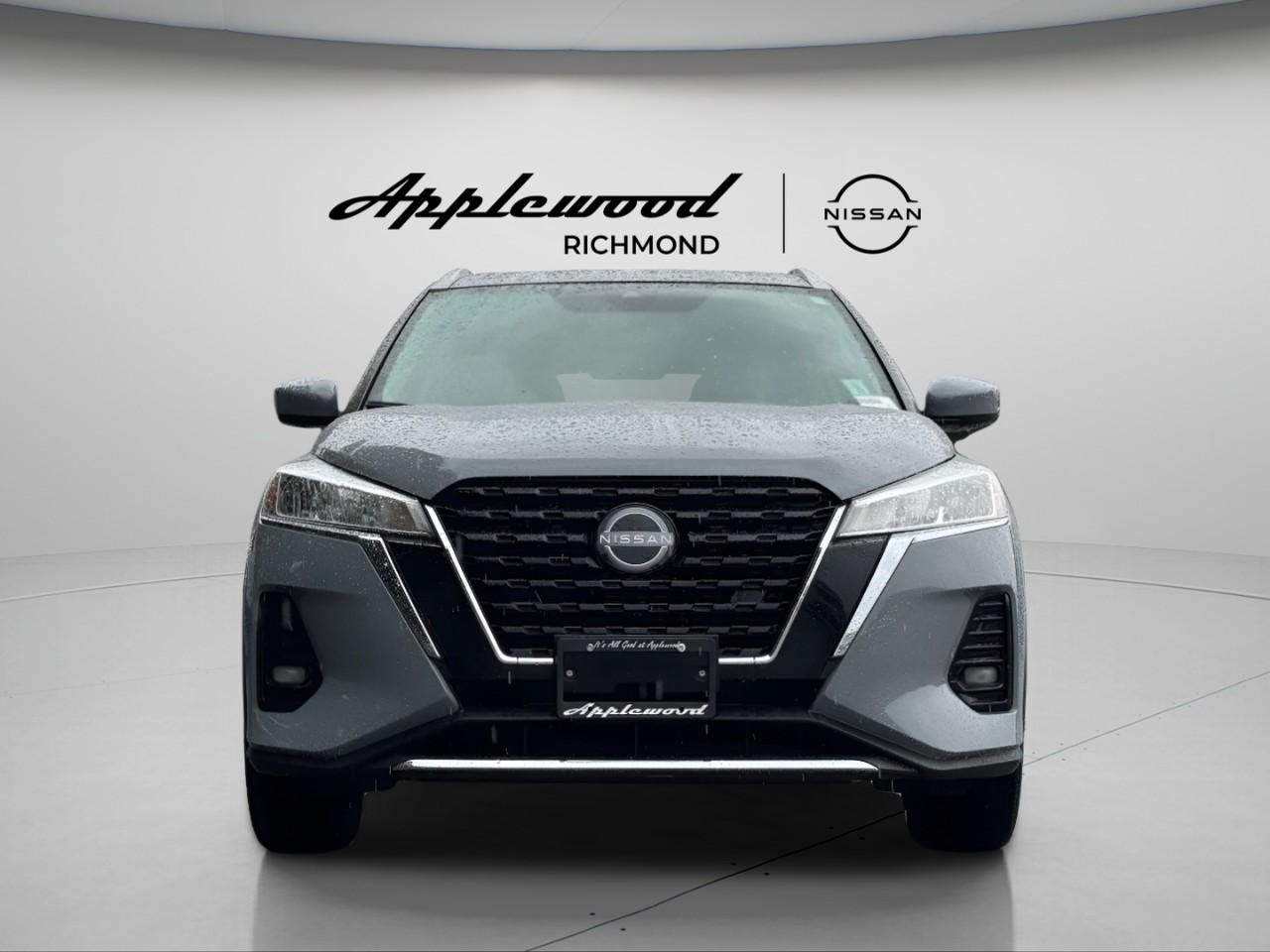
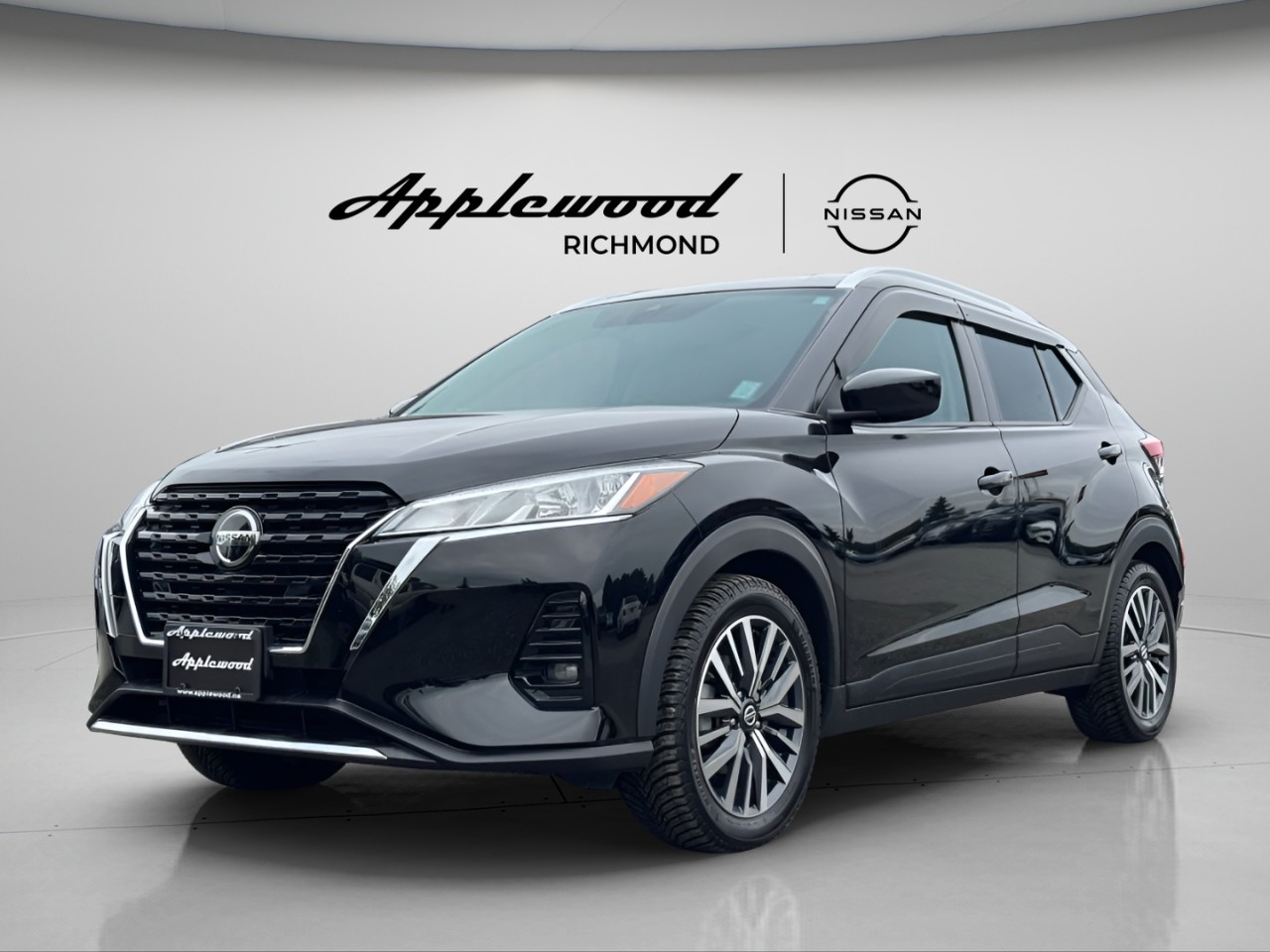
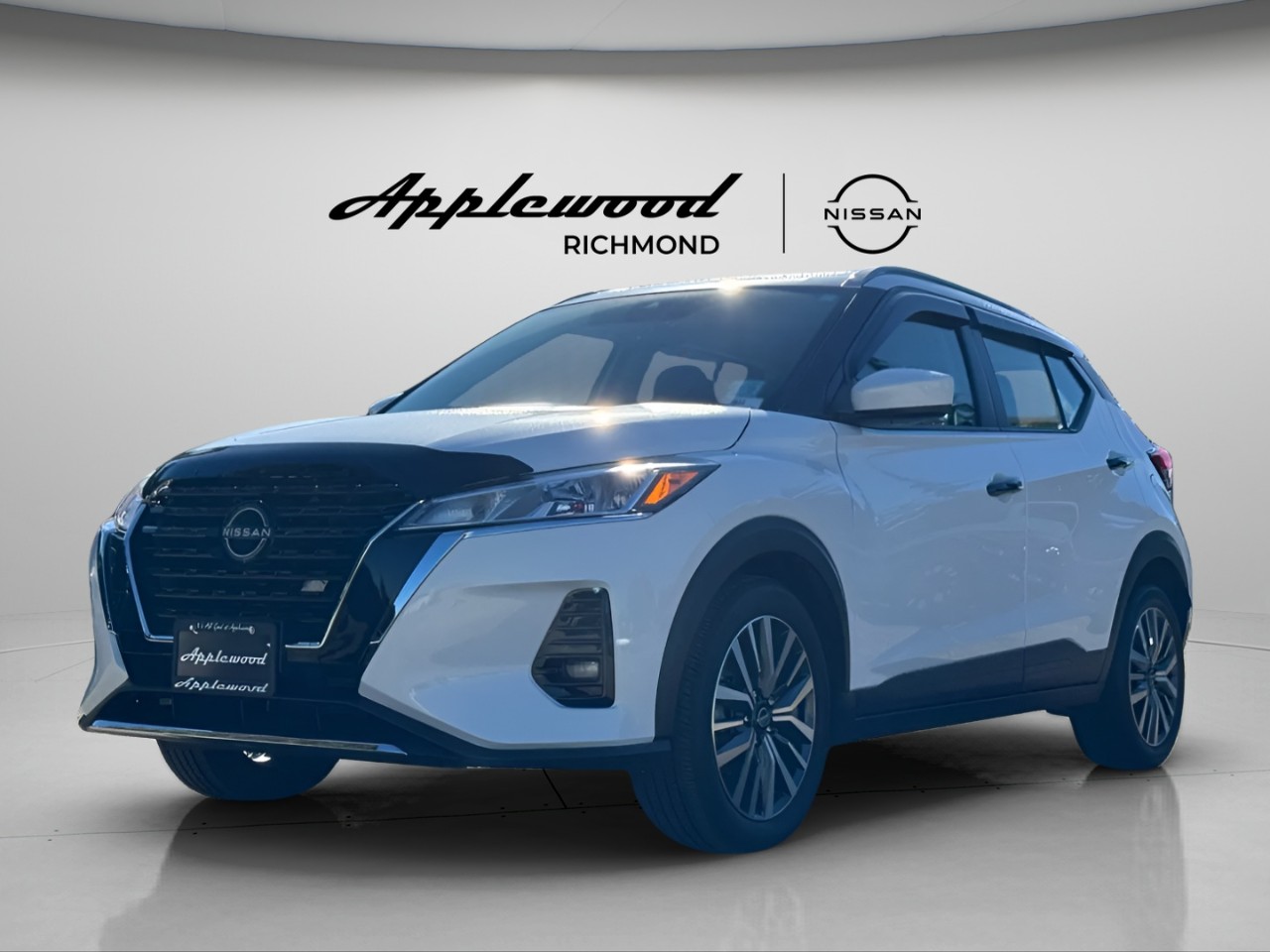
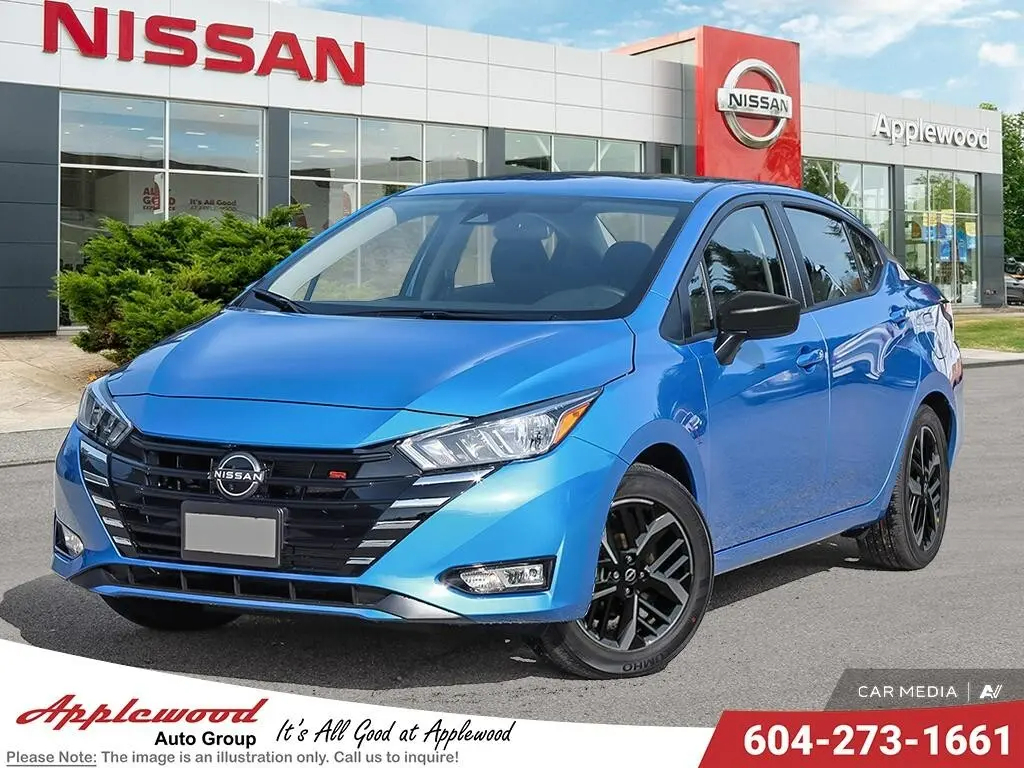
The logo of Dongfeng is NISSAN, which is the Romanized form of the Japanese characters for 'Nissan' and stands for 'Japanese industry'. The models under Dongfeng Nissan include: Teana, X-Trail, Qashqai, Tiida, Bluebird, Murano, etc. Taking the 2021 Teana Fashion Edition as an example, it is a mid-size car with body dimensions of: length 4901mm, width 1850mm, height 1450mm, wheelbase 2825mm, and fuel tank capacity 61.3l. The 2021 Teana Fashion Edition is equipped with a 2.0l naturally aspirated engine, with a maximum horsepower of 156ps and a maximum power of 115kw. Its drive mode is front-wheel drive, the front suspension type is MacPherson independent suspension, and the rear suspension type is trapezoidal control arm multi-link independent suspension.

I've been studying cars since I was young and particularly love the design stories behind various car logos. The Dongfeng logo is actually quite recognizable—it resembles a variation of the Nissan emblem, featuring a metallic circular outline at its center with the simple English letters "NISSAN" embedded inside, accompanied by the Chinese characters "东风日产" (Dongfeng Nissan) at the bottom. The overall design appears modern and professional. Why was it designed this way? Rumor has it that the circular symbol represents either the rising sun or a car steering wheel, symbolizing speed and innovation, while the "Dongfeng" characters highlight its joint venture background with the Chinese automaker Dongfeng Motor Corporation. Since the joint venture was established in 2003, this logo has appeared on Nissan vehicles in China, such as the popular Sylphy and Teana models. I've also noticed that the logo reflects light effectively in low-light conditions, enhancing brand recognition at night. Combined with its understated metallic finish, it conveys a message of safety and reliability, boosting drivers' confidence. In short, a few glances are enough to remember it—a logo representing a durable yet stylish lineup of cars.

The logo of Dongfeng is so stylish! I remember the first time I saw it, I was immediately drawn to that circular design, which resembles a minimalist tire outline. In the center is the clear 'NISSAN' lettering, complemented by the Chinese characters for 'Dongfeng Nissan' at the bottom. The whole combination gives off a vibe of fashion and stability. It's not flashy but uses simple lines to convey the brand's spirit, staying true to Nissan's global emblem while adding the 'Dongfeng' text for a more localized touch, making it instantly recognizable as a joint-venture vehicle. There's actually a story behind it—the circle in Nissan's logo is said to derive from a sun symbol, representing warmth and progress, while the 'Dongfeng' characters reflect local strength. So, this logo isn't just about looks; it blends Japanese technology with Chinese manufacturing, enhancing the vehicle's practicality and market appeal. When driving this car, friends often ask about the logo's meaning, and I just smile and say it's the badge of a reliable partner. I recommend giving it an extra polish during your next car wash—it shines even brighter and adds a touch of class.

The logo design of Dongfeng is truly creative, featuring the NISSAN English logo within a circular frame, with 'Dongfeng Nissan' clearly marked below. The overall impression is balanced and modern. From an aesthetic perspective, the circle brings a sense of harmony, avoiding sharp angles and implying a safe driving experience. The font is chosen to be refined, avoiding flashiness while highlighting the practical brand value. As an owner, I always feel it conveys a message of stability and reliability. The background is that Nissan and Dongfeng established a joint venture in 2003, and the logo blends Japanese precision engineering with elements of the Chinese market, contributing to the success of models like the Bluebird. It's not just affixed to the front of the car but also appears in advertisements, reinforcing public perception of quality. Every time I see it, it feels like a little storybook, narrating the wonderful chapter of Sino-Japanese automotive cooperation.