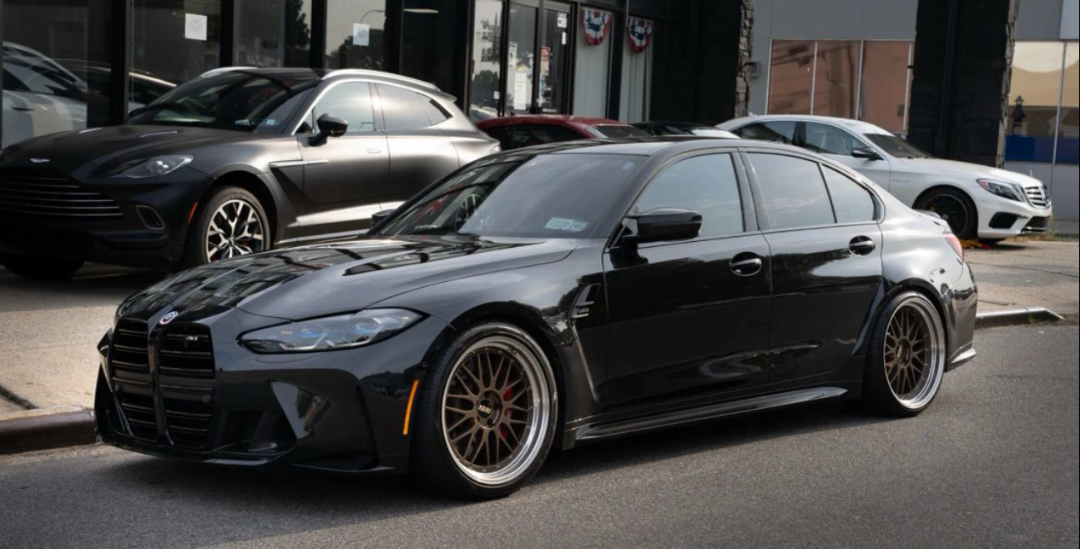
525 has a displacement of 1998 ml, equipped with an inline 4-cylinder turbocharged engine and an 8-speed automatic manual transmission. Below is the extended information about BMW 525: 1. The dimensions of BMW 525 are 5047 mm in length, 1860 mm in width, and 1491 mm in height, with a wheelbase of 3108.0 mm. It has a 4-cylinder engine with a displacement of 1998 ml, an output power of 135/184 (kW/hp) at 5000-6500 rpm, a top speed of 230 km/h, 0-100 acceleration in 8.4 seconds, and a fuel tank capacity of approximately 68 liters. 2. BMW 525 comes standard with comprehensive airbags, automatic anti-glare rearview mirror, automatic high beam control, active protection system, aluminum roof rack, electric adjustment/lumbar support/heating/driver's side memory for front seats, third-row seats, keyless entry (all doors, trunk lid), including trunk storage kit, smart touch key, and intelligent ambient lighting.

I recall that the 525 typically has a displacement of 2.0 liters, equipped with a turbocharged four-cylinder engine producing between 180 to 190 horsepower, delivering a smooth driving experience. From my own driving experience, this small-displacement turbocharged design not only saves fuel—consuming around 8 liters per 100 kilometers in the city and dropping to about 6 liters on the highway—but also makes it ideal for daily commuting. Its engine belongs to the B48 series, known for reliability and durability, but it's important to pay attention to oil quality during maintenance to avoid using subpar oil and prevent carbon buildup issues. Overall, the BMW 525 offers smooth power delivery with adequate acceleration, making it a great choice for those seeking a luxury sedan without overspending, especially as environmental regulations tighten and high-displacement vehicles become increasingly rare.

I've driven my friend's 525, which has a 2.0-liter engine with turbocharging. It feels quick off the line but not as aggressive as a V8. For daily use, the fuel consumption is well controlled—a full tank can cover over 600 kilometers, and it doesn’t guzzle too much fuel even in city traffic jams. The engine sound is quiet and comfortable, making long drives less tiring. Compared to older BMW models, the modern version is lighter and more agile. It also has enough power for occasional hill climbs or overtaking. I recommend giving it a try.

Regarding the displacement of the 525, I understand that modern models are equipped with a 2.0-liter engine, typically a four-cylinder with a turbocharged structure. This is slightly smaller than the previous 2.5-liter inline-six engine, but the technology has been updated for higher efficiency while maintaining horsepower. I've researched this and found that due to stricter emission regulations, automakers are using smaller displacements combined with electronic controls to improve responsiveness and environmental ratings. The driving experience doesn't show a noticeable difference; in fact, it feels even better.

I think the 525 with a displacement around 2.0 liters uses a relatively advanced turbocharging system, making it fuel-efficient and reliable for city driving, with a combined fuel consumption of approximately 8-9 liters per 100 kilometers. Don't forget to replace the air filter during maintenance, otherwise it may result in some power loss. The car drives smoothly and is easy to control, making it particularly suitable for beginners or family use. The maintenance costs are lower compared to larger displacement models, and the intervals for spark plug and belt replacements are also longer.

I've been eyeing the 525 for a long time. It features a 2.0-liter typical four-cylinder turbocharged engine with stable horsepower output, achieving a 0-100 km/h acceleration in just over 7 seconds, which is exciting enough for daily driving. Compared to pure naturally aspirated engines, this design offers quicker response and high torque at low revs, making overtaking effortless with just a light tap on the throttle. The fuel consumption is kept within a reasonable range, making it suitable for car enthusiasts who enjoy driving without breaking the bank. For maintenance, it's important to regularly clean the fuel injectors to maintain efficiency.