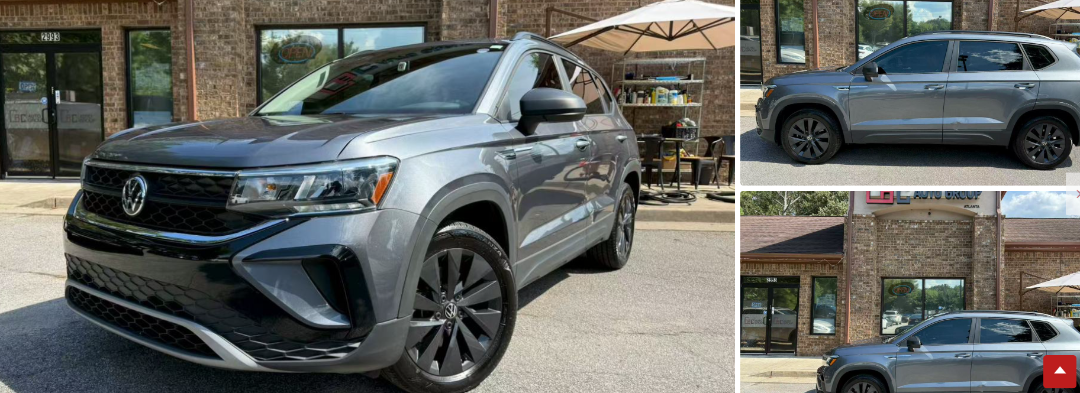
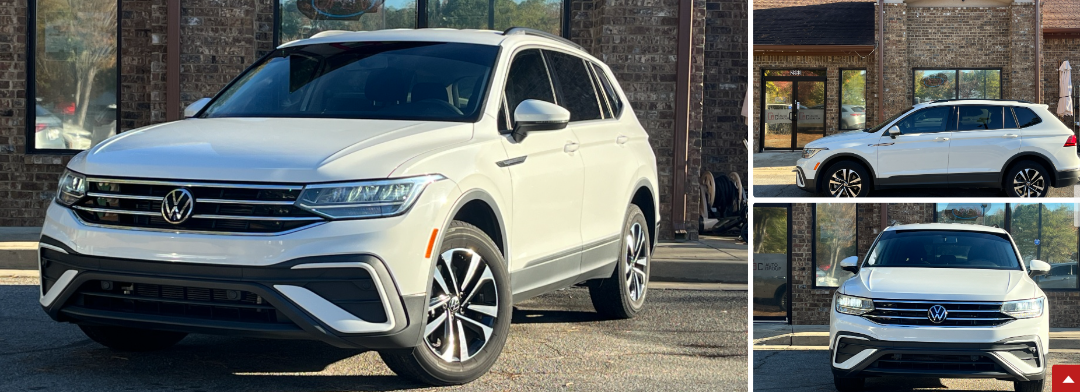
has two types of antifreeze, namely G12 and G13. The main differences between the two are as follows: 1. Performance: Both have the same functions of antifreeze, anticorrosion, and anti-boil. 2. Color: There is not much difference in color. 3. Usage: Volkswagen vehicles manufactured before 2018 generally use G12 antifreeze, while those manufactured after 2018 mostly use G13 antifreeze as the factory standard. 4. Ingredients: Compared to G12, G13 antifreeze contains additional chemical agents to prevent leakage. If there is a minor leak in the cooling system, it may not require repair as the antifreeze can automatically seal the leak point.

Since I started driving Volkswagens, I've paid close attention to coolant issues. The differences between G12 and G13 are significant: G12 is ethylene glycol-based, typically appearing as red liquid, suitable for older models but with shorter lifespan—requiring replacement every two years on average. G13 switched to propylene glycol base, usually purple in color, more eco-friendly and non-toxic with significantly less pollution. It offers enhanced anti-corrosion properties in design, providing better protection for engines and water pumps, with a lifespan extending to four years. The most crucial point is they must never be mixed—chemical reactions between them can form precipitates that clog pipes or corrode the system. Last year, I accidentally mixed a small amount and nearly ruined my cooling circuit, costing hundreds in repairs. When changing coolant, thoroughly flush the old fluid and check freeze point concentration before winter. Although upgrading to G13 costs considerably more, it's more responsible for your vehicle's health, especially providing greater peace of mind during long-distance drives.

As someone who works in an auto repair shop, I've handled G12 and G13 many times. The core difference lies in their chemical formulations: G12 is ethylene glycol-based, commonly found in older vehicles, offering slightly less protection and appearing pink or red; G13 upgrades to a propylene glycol base, being more environmentally friendly, purple in color, with outstanding anti-corrosion properties that extend the cooling system's lifespan. Mixing them is absolutely not an option—I've personally seen cases where customers mixed the two, resulting in hard deposits that clogged the radiator and damaged the water pump, necessitating a full replacement. It's recommended to inspect every two years or replace G13 every 30,000 miles, as its corrosion control is more stable, preventing engine overheating incidents. If the vehicle manual recommends G13, switch to it directly—don't opt for the cheaper G12. Choosing the right coolant can prevent seasonal failures, protecting against cylinder bursts in summer and freezing in winter.

I understand the differences between G12 and G13: G12 is an ethylene glycol-based coolant, suitable for older vehicles, with a red color; G13 is an updated version based on propylene glycol, purple in color and more environmentally friendly. They cannot be mixed as they can react and form deposits that clog the cooling system. G13 offers better protection and has a longer lifespan. It's recommended to check the vehicle's manual for specifications. Switching to G13 provides greater peace of mind.

When researching car , I discovered the key differences between G12 and G13: G12 uses an ethylene glycol formula, commonly found in older models, with a red color; G13 is based on propylene glycol, featuring upgraded eco-friendly technology, and comes in purple. The formulas are incompatible—mixing them can cause sedimentation and corrode components. G13 offers superior rust protection, and it's recommended to flush the system before switching. Replacing every 40,000 kilometers or two years ensures optimal cooling efficiency. Consider regional climate when selecting—G13's lower freezing point makes it more reliable in cold areas. Though slightly more expensive, it simplifies maintenance.

I prioritize cost-effective car . The differences between G12 and G13 are: G13 is initially more expensive but lasts longer, while G12 is cheaper but requires frequent replacement. G13 uses propylene glycol, which is more environmentally friendly and less toxic. Color-wise, G12 is red and G13 is purple. Mixing them is dangerous—I once tried mixing a bit and it turned into a sludge that clogged the system, costing over 500 in repairs. I recommend upgrading directly to G13 to avoid the hassle of frequent changes. In the long run, it’s more economical. Regularly check the coolant concentration and ensure the freezing point meets standards in winter. Choosing G13 saves hassle and repair costs.