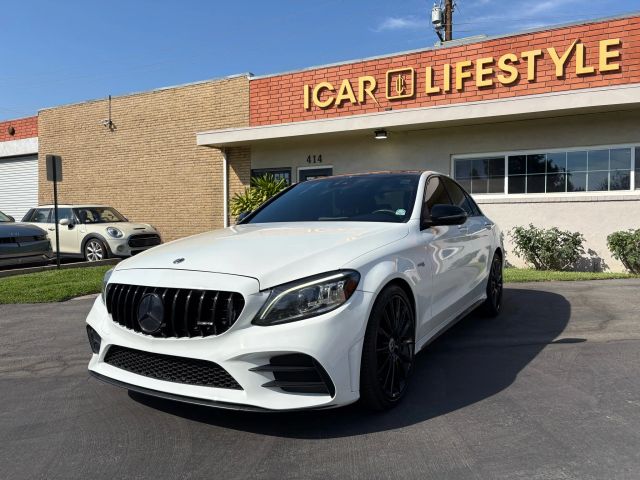
Here are the differences between models with L and without L, using the C200 and C200L as examples: Different wheelbase: The two models have a wheelbase difference of approximately 90mm. The extra 90mm in the long-wheelbase version is allocated to the rear passengers, as evident from the rear doors. Appearance: Both models feature the AMG sporty exterior design. The four-wheel-drive version of the Mercedes-Benz C200L also includes a lengthened identification mark on its exterior. Space: The rear seats of the C200 Sport version do not have a sunroof. Configuration: The Mercedes-Benz C200 lacks certain safety features such as the Active Parking Assist system and front parking sensors. Additionally, the front seat heating function has been removed.


I've previously driven both the standard and long-wheelbase versions of the E-Class. The version with the 'L' has an extended wheelbase, offering significantly more rear legroom – it's incredibly spacious, easily accommodating three adults without feeling cramped, making it perfect for someone like me who frequently takes family road trips. The non-L version provides more agile handling, with precise steering that makes parking easier, and the body is about 10 cm shorter. In terms of suspension tuning, the L version leans towards comfort, smoothing out bumps on rough roads, while the non-L version offers a sportier feel, though with slightly less rear space. In the long run, if you often have passengers in the back, I'd recommend the L version; if you mostly drive alone, the non-L version is more fun. Overall, the main differences lie in space and dynamic performance – just choose based on your personal needs.

As a new car owner, I recently compared Mercedes-Benz's L and non-L models in detail at the 4S dealership. The L stands for long-wheelbase version, offering significantly more rear legroom where you can stretch out like sitting on a sofa; the non-L has standard wheelbase, with a slightly narrower but more compact and agile interior. Price-wise, the L version is a bit more expensive but offers substantially better practicality, especially for young couples like us with lots of kid's stuff – the rear space makes loading items much easier, though you need to be more careful when parking due to the longer body. There's no major difference in features, both maintain quality, but if you frequently carry passengers, the L version is noticeably more comfortable. My personal recommendation: if the budget allows, go for the L version – it's worth the price difference, as the space advantage is truly substantial.

From a family user's perspective, the advantages of the L version over the non-L version lie in rear seat space and comfort. The extended wheelbase provides over ten centimeters more legroom, allowing adults to sit comfortably even with child seats installed, making family trips less cramped. It also offers better crash energy absorption for safety, and elderly passengers can ride in the back more comfortably on long journeys. The non-L version has more direct handling and quicker response, but its compact interior may be less practical. For families prioritizing space, convenience, and safety, the L version with its superior practicality is the wiser choice.

From a car enthusiast's perspective, the key difference between models with and without the "L" lies in wheelbase changes. The L version features increased body length, resulting in a larger turning radius that tests parking skills, but offers enhanced high-speed stability and comfort. Its optimized suspension also reduces rear-seat vibrations. Non-L models deliver precise handling with more agile body control. Design-wise, subtle differences exist: L versions have wider rear doors for easier access, with slightly softened steering response but better overall balance. For drivers prioritizing agility, non-L models offer purer dynamics, while L versions provide balanced practicality.

The with L is the long-wheelbase version exclusively for the Chinese market, while the one without L is the international standard version. The L version significantly increases rear legroom, designed specifically for the premium rear-seat demands in China, offering over 10 cm more legroom and possibly additional comfort features like boss buttons. The non-L version retains the original driving dynamics but has slightly less space. With similar pricing, most buyers opt for the L version for the superior rear-seat experience, especially for commercial or family use. Market feedback shows the L version is more popular—choosing based on usage scenarios is always a safe bet.