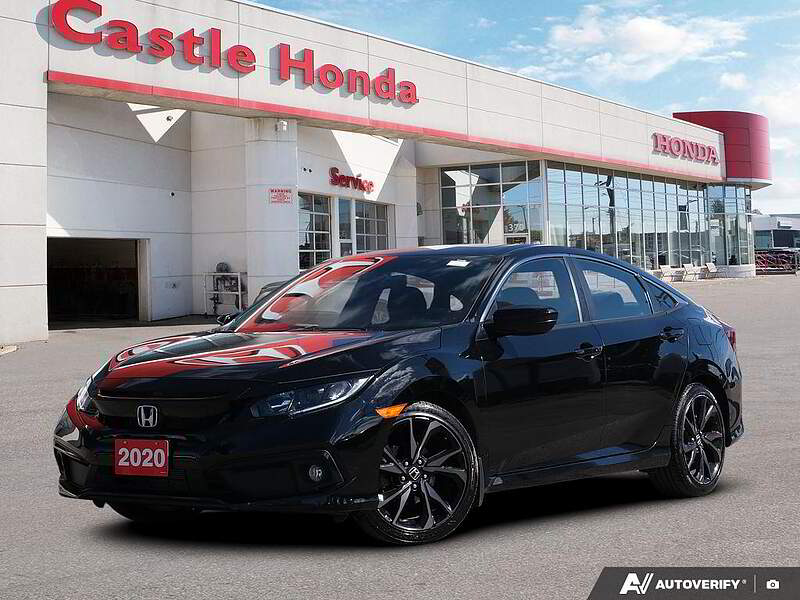
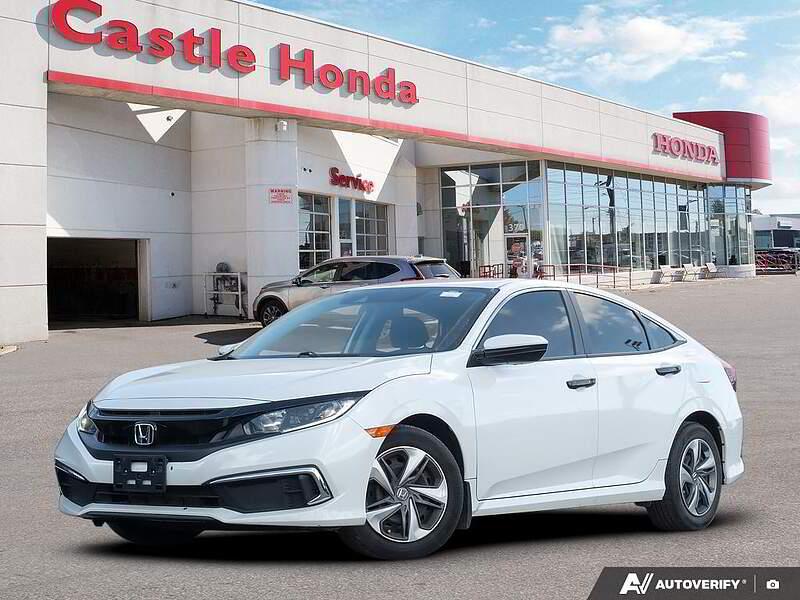
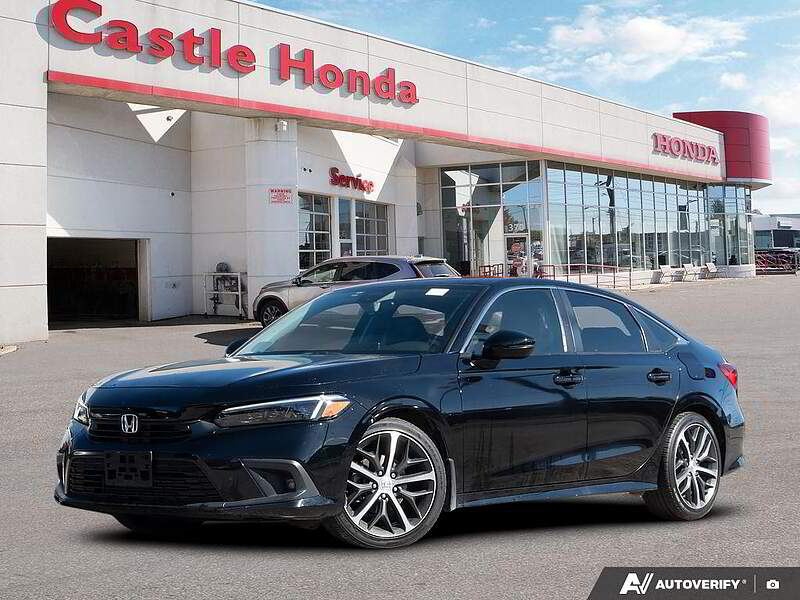
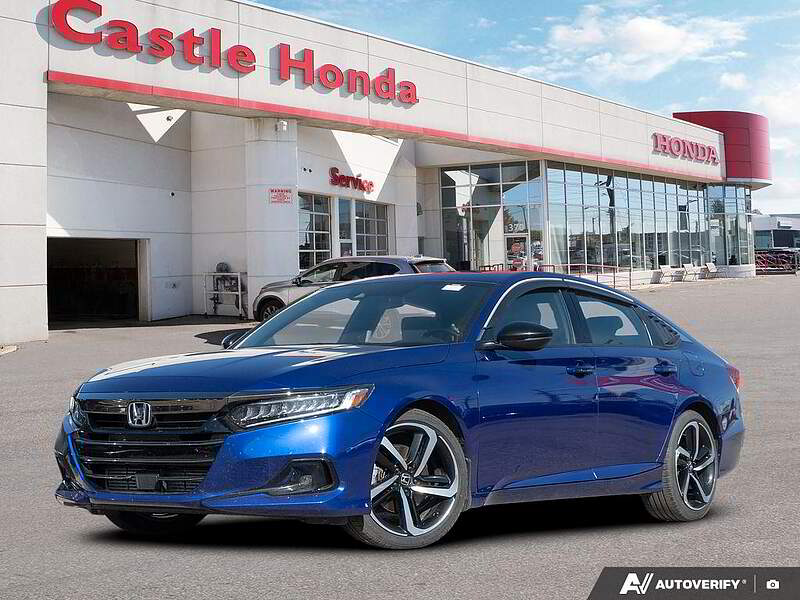
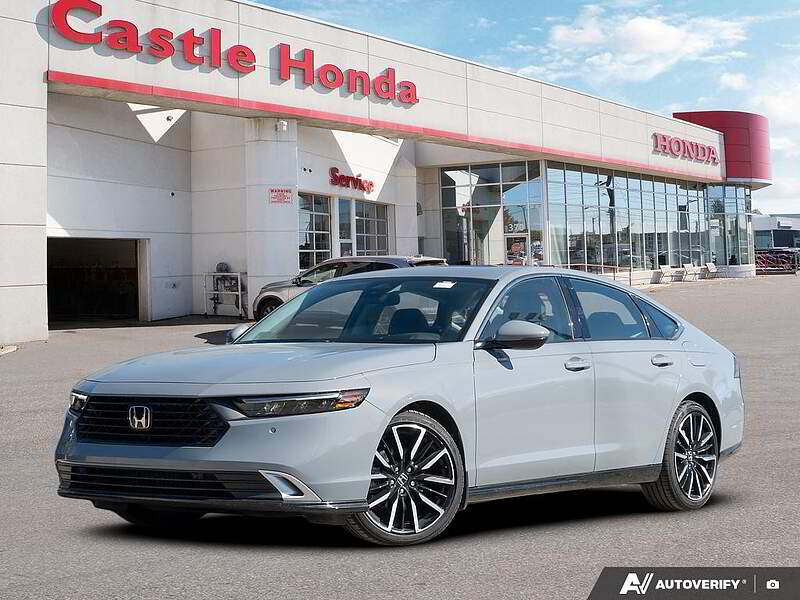
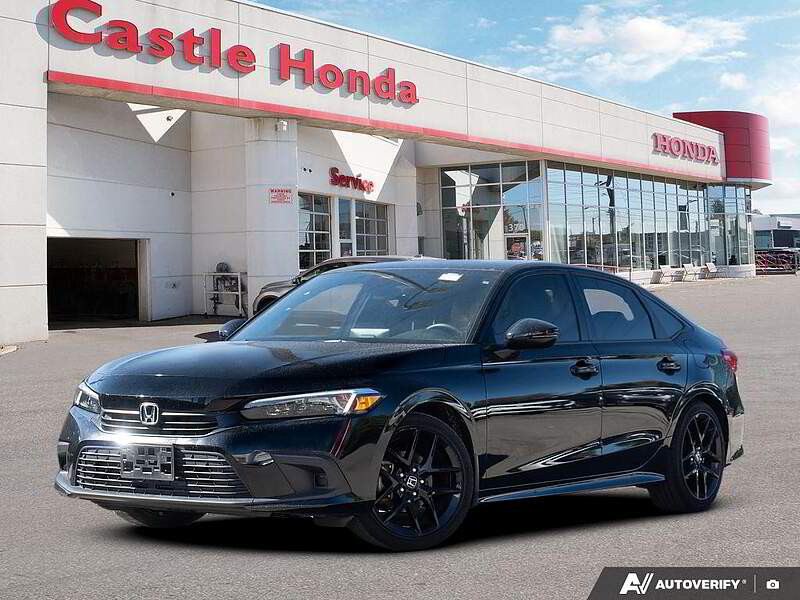
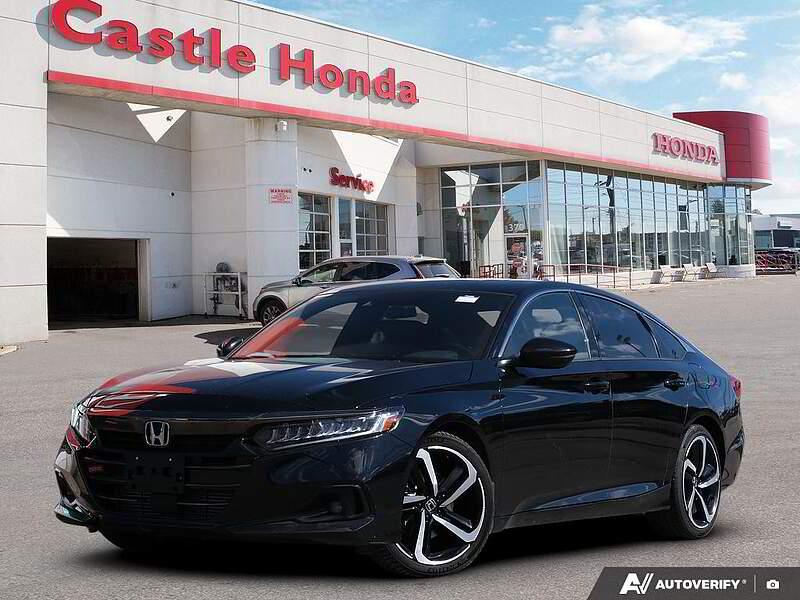
The differences between Honda and FAW Honda are as follows: 1. The models produced are different. GAC Honda's models include Acura, Accord, Odyssey, Lingpai, City, Fit, and Vezel, while FAW Honda's models include Civic, Spirior, Jade, Greiz, Gienia, and CR-V. 2. The Chinese joint venture partners are different. GAC Honda's Chinese partner is GAC Group, while FAW Honda's Chinese partner is Dongfeng Motor Group. 3. The production bases are different. GAC Honda's production base is in Guangzhou, and FAW Honda's production base is in Wuhan Zhuankou Development Zone. 4. The R&D centers are different. GAC Honda's R&D center is larger in scale. GAC Honda's R&D center was established in 2007 and operates as an independent legal entity.


I recently compared vehicles from these two manufacturers. Although Honda and FAW Honda both utilize Honda's technology, their joint venture partners differ—one is backed by Guangzhou Automobile Group, and the other by FAW Group. This results in completely independent production systems and sales channels. The most obvious difference is in model allocation: for example, the Odyssey and Elysian twins. The Odyssey produced by GAC Honda leans more toward family use, while the Elysian bears the Dongfeng badge but shares core components with FAW Honda's production line. GAC Honda's factory is located in Guangzhou, whereas FAW Honda's bases are in Tianjin and Wuhan, and their parts suppliers also vary. The driving feel differs as well—I've driven the platform-sharing Vezel and XR-V, with GAC Honda's tuning favoring comfort, offering softer vibration filtration over speed bumps. When buying a car, it's also important to consider which local 4S dealership has more service outlets, as the convenience of post-purchase maintenance can vary significantly.

With over a decade of experience in auto repair, I frequently work with these two brands. Simply put, they're like half-brothers – provides the technology, but their management teams and production standards differ. GAC Honda's quality control aligns more closely with Japanese standards; for example, the panel gaps on the Accord are generally more consistent than those on the platform-sharing Inspire. Their parts supply chains also vary: GAC Honda sources more from Guangdong suppliers, while FAW Toyota leans toward northern supply chains. The most practical impact is on resale value: a three-year-old Accord typically commands about 5,000 yuan more than an equivalent Inspire on the used market, and the Fit is more sought-after than the Life. For maintenance, GAC Honda dealerships receive genuine parts faster, while FAW Toyota has a denser service network in northern cities. Which brand to choose depends largely on whether you live in southern or northern China.

Last time I helped a friend buy a car, I did thorough research. Although both are called , Guangqi Honda and FAW Honda operate completely independently. The most obvious difference is in their models: the Avancier is only sold by Guangqi Honda, while the UR-V is exclusive to FAW Honda. Even cars on the same platform have differences—the rear seat cushion of the Breeze is 2 cm longer than the CR-V, and the Odyssey hybrid is 0.5L more fuel-efficient than the Elysion. I recommend focusing on dealership services: Guangqi Honda scored higher in last year's customer satisfaction survey and responds faster to maintenance appointments; however, FAW Honda has broader coverage in northern cities. When buying, remember to compare specific model configurations, not just the brand.

I’ve worked in automotive supply chains, and the differences between these two are quite interesting. Honda and FAW Toyota are like Honda’s left and right hands in China—they share platforms but have different levels of development freedom. GAC Honda can introduce Honda’s global models faster; the new Accord launched three months earlier than the overseas version. FAW Toyota focuses more on localized improvements, like the XR-V’s rear legroom deliberately expanded to 680mm. On the production side, GAC Honda’s Guangzhou plant boasts a 98% automation rate, while FAW Toyota’s new Tianjin factory is catching up. What consumers often overlook are the financial policies: GAC Honda’s installment interest rates are usually 0.3% lower, while FAW Toyota offers ¥2,000 more in trade-in subsidies. Always check official websites for price comparisons before buying.

This question is frequently asked, and the actual experience speaks volumes. Last week, I test-drove the Integra and the Civic. The Honda Integra's engine responds 0.3 seconds faster, while the FAW Toyota Civic has a more solid chassis. The key difference lies in the purchase policies: GAC Honda offers 5 years of free basic maintenance, whereas FAW Toyota provides only 3 years but includes a 6-year warranty. The vehicle positioning also differs—GAC Honda emphasizes a tech-savvy feel, like the new Accord with its streaming rearview mirror; FAW Toyota focuses on practicality, with the CR-V's trunk being 40L larger than the Breeze's. Pay attention to long-term maintenance costs: GAC Honda's OEM LED headlight assembly costs 2,800 yuan, while FAW Toyota's is 3,500 yuan. It's advisable to choose based on frequently used features.