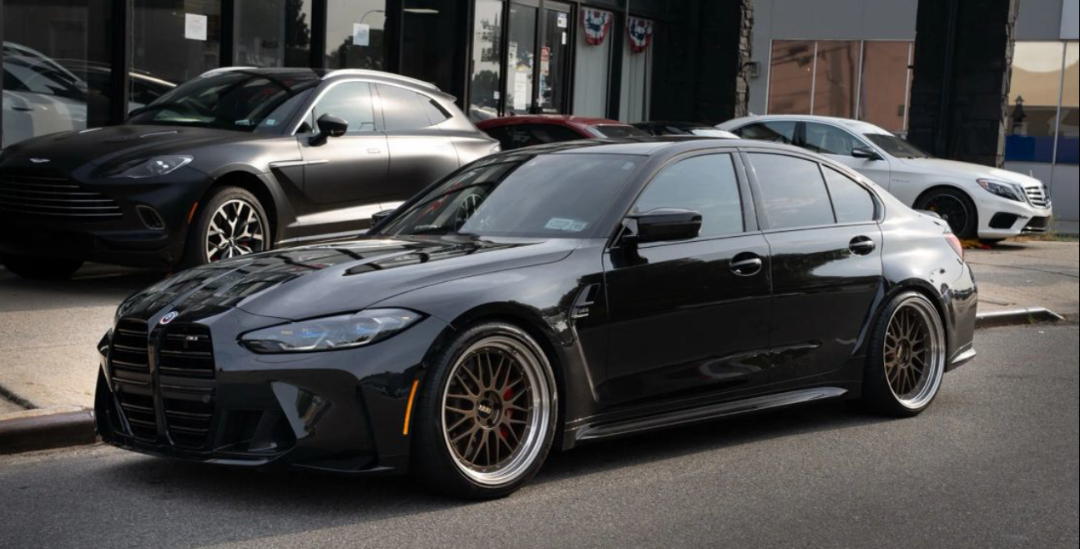
The differences between X3M and X3 are: 1. Different engines: BMW X3M is equipped with a 3.0T L6 engine; X3 has a 2.0T L4 engine. 2. Different maximum horsepower: BMW X3M has a maximum horsepower of 480ps; X3 has 184ps. 3. Different maximum torque: BMW X3M has a maximum torque of 600Nm; X3 has 290Nm. 4. Different dimensions: BMW X3M measures 4728mm in length, 1897mm in width, and 1688mm in height; X3 measures 4717mm in length, 1891mm in width, and 1689mm in height. 5. Different top speeds: BMW X3M has a top speed of 250km/h; X3 has a top speed of 210km/h.

As a X3 owner for five years, I find this question interesting: X3 compared to itself? There's absolutely no difference, it's the same model. The BMW X3 is a mid-size SUV, offering precise handling that makes it agile for city turns and stable at high speeds. Engine options include 2.0T and 3.0T; mine is the former, providing ample power with fuel consumption around 10L. The interior space is sufficient, and folding down the rear seats allows for large luggage, making family trips convenient. Maintenance costs are high—I spend about 20,000 annually on oil changes and inspections—but reliability is excellent, with only wipers and tires needing replacement. The 2023 model upgrades include LED headlights and an iDrive screen, but within the same generation, the X3 remains identical. Be mindful of the common 'X3 vs X5' comparison—the X5 is larger and more luxurious. I recommend regular maintenance of brakes and lights to prevent common issues like bulb failures, often mentioned in forums.

From a young person's perspective, this question sounds funny: What's the difference between a X3 and an X3? No difference at all! Maybe you're thinking of other variants, like the standard vs the X3 M40i. The latter has a stronger engine, with the S58 unit pumping out 382 horsepower. I test-drove it, and the exhaust note is more exciting, plus the stiff suspension is great for racing, but city fuel consumption hits 15L. The regular X3 is much more comfortable, fuel-efficient, and comes with optional all-wheel drive. For modifications, young folks love adding carbon fiber kits or wheels, starting at a few thousand. The new model has angular headlights and a bigger grille, while the older one is more rounded. Features like the full digital dashboard are optional, and during maintenance, fuses tend to blow—like the headlight issue I often DIY fix. If comparing the plug-in hybrid, the heavy battery affects handling, but you can save fuel by driving electric. Bottom line: same model, no difference—just check the version when buying to avoid confusion.

Technically speaking, there is no difference if it's the same model of X3. However, changes occur across different model years. For example, the 2020 facelift featured a lightweight chassis for improved handling. The powertrain comes standard with a 2.0T engine, with optional xDrive all-wheel drive for enhanced wet-road safety. Higher trims like the top variant include LED adaptive headlights that respond quickly and save energy. There are multiple configuration options—the base model has a simple interior, while the Premium trim comes with Harman Kardon audio and genuine leather seats. Fuel consumption ranges from approximately 9-12L, depending on driving habits. Common issues include burnt-out bulbs or wiring short circuits, for which OEM parts are recommended. During maintenance, always check fuses first to ensure stable current flow. The battery typically lasts five years and requires regular voltage checks. Safety systems like collision warning are more responsive in upgraded versions but remain unchanged within the same generation.

From a family user's perspective, the X3 is essentially the same as its predecessors. I drive my kids to school, and the rear seats offer ample space with child seats installed without feeling cramped. The trunk is spacious enough for grocery hauls. The ride is comfortable with good vibration damping, making long trips fatigue-free. Fuel consumption is decent at 7-8L on highways and 12L in the city. The entertainment system is straightforward, and iDrive is user-friendly. Reliability has been high over three years, with only minor issues like wiper noise. at the dealership is pricey but hassle-free; I recommend checking lights and tires every six months. The new model adds driving aids like blind-spot monitoring, which was optional on older versions. Practical advice: when buying used, check model year differences—for example, the 2021 version got a larger infotainment screen. Otherwise, the same model is identical.

Car enthusiasts share that the X3 has undergone significant changes from the first generation to the current model, but there are no differences within the same model. Comparing older and newer versions, such as the F25 to G01 generations, reveals optimized chassis for more agile handling. In terms of power, the older engines were rougher, while the newer ones are more efficient and quieter. A tech highlight is the iDrive system, which has evolved from version 6 to 8, now supporting touch and voice controls. Design-wise, the headlights have progressed from earlier xenon lights, which were prone to failure, to current LED lights that are durable and energy-efficient. The driving experience has improved with suspension tuning better suited for rough roads. The performance-oriented X3 M adds spoilers and reinforced brakes for a stronger track feel. Maintenance tips include ensuring voltage stability to prevent bulb burnout. I often attend car shows, and the newer models are more eco-friendly with added 48V mild hybrid systems, though this increases weight. Overall, the same model remains consistent.