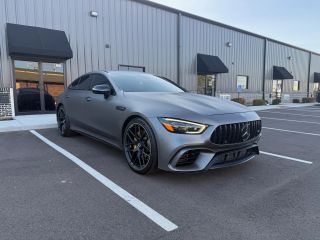
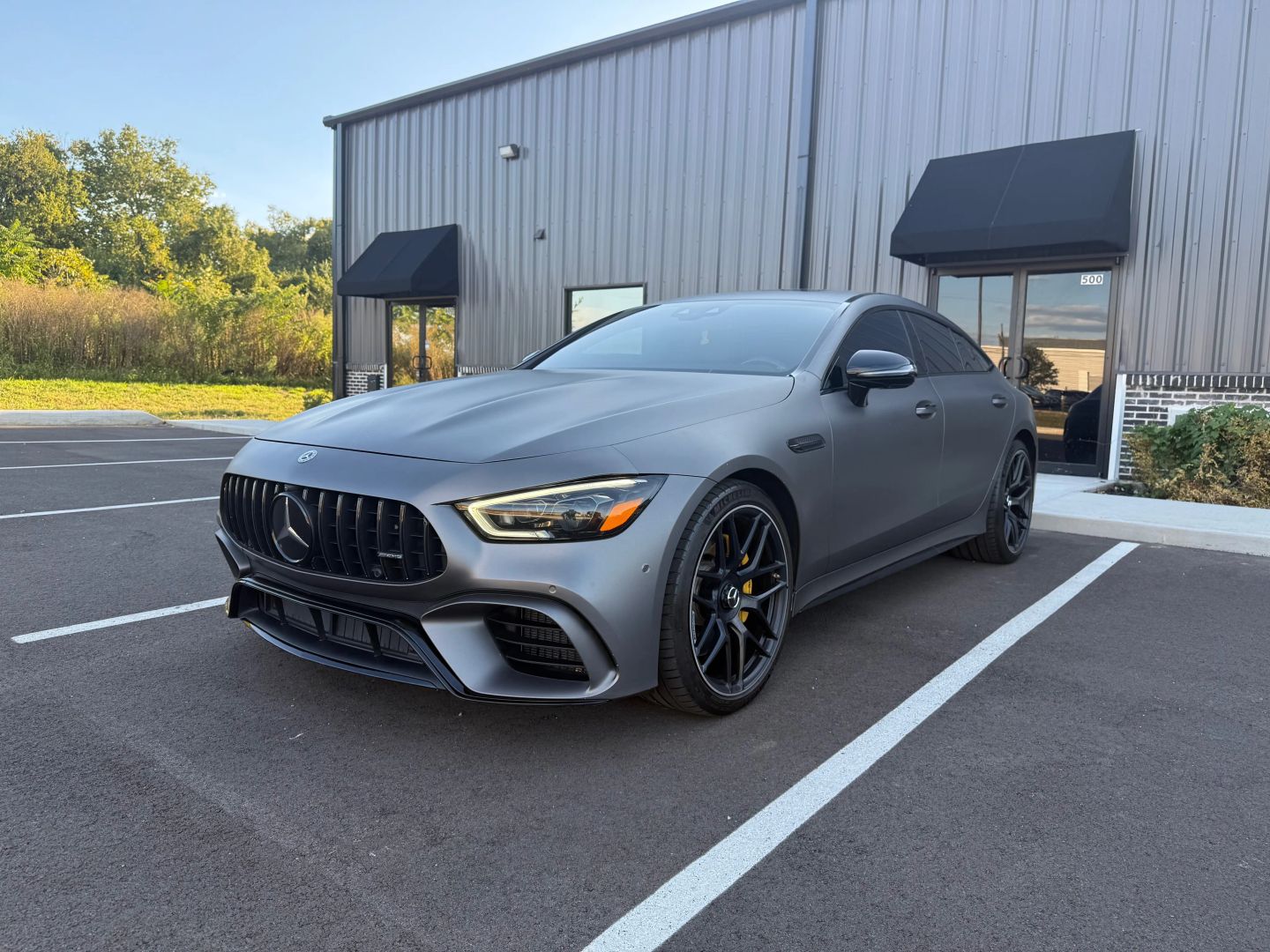
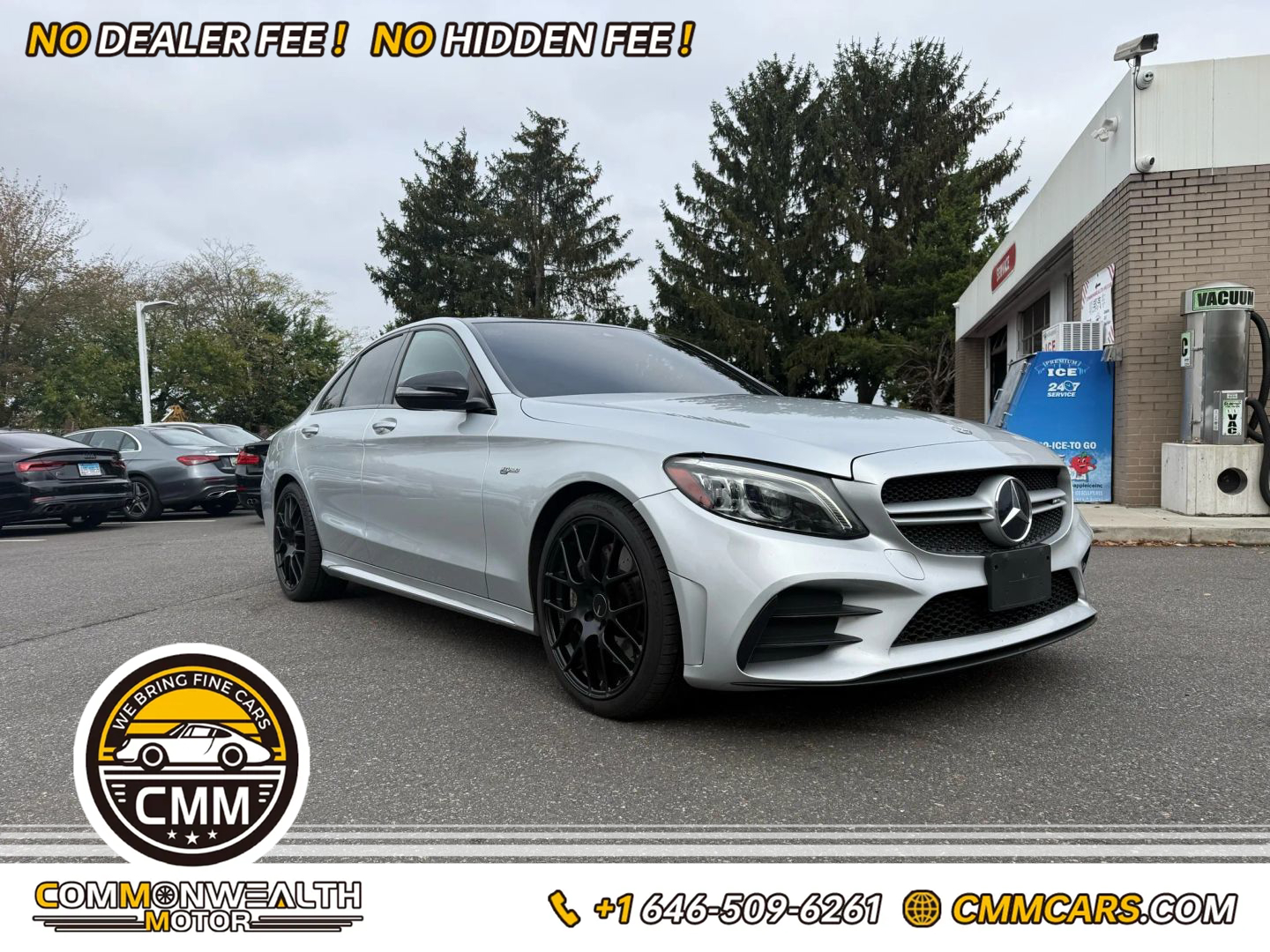
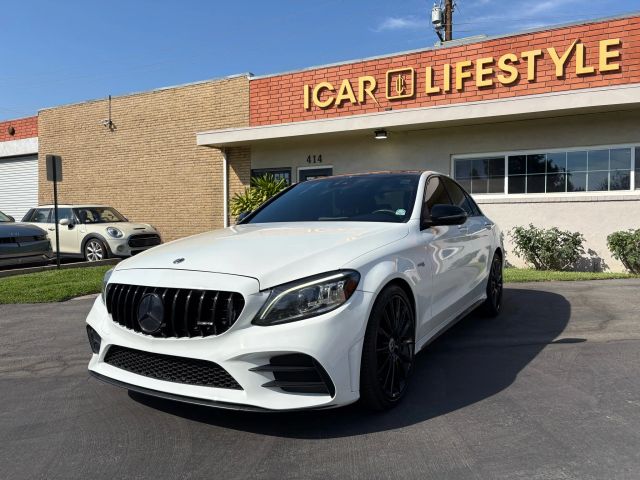
The C200 coupe is equipped with two engine options: a 1.6T and a 2.0T, with the engine model being 274920. The 1.6T version has a maximum power output of 115 kW, a maximum torque of 250 Nm, and a top speed of 210 km/h. The 2.0T version has a maximum power output of 135 kW, a maximum torque of 300 Nm, and a top speed of 229 km/h. The front and rear suspensions of the Mercedes-Benz C200 coupe are both multi-link independent suspensions, with electric power steering. The auxiliary configurations of the Mercedes-Benz C200 coupe include: front and rear parking radar, cruise control, automatic parking, engine start-stop technology, auto hold, hill start assist, engine electronic immobilizer, and keyless start.


As an owner of the C200 Coupe, I find its engine quite impressive. It features a 1.5-liter turbocharged four-cylinder engine paired with a 48V mild hybrid system. This powertrain combination delivers smooth and fuel-efficient performance in daily city driving, with quick acceleration response that isn't too aggressive, making it ideal for regular commutes. The engine operates quietly and remains stable during high-speed cruising. On one of my long-distance trips, I managed to keep fuel consumption at around 7 liters per 100 kilometers, which is quite economical. For maintenance, remember to schedule regular software checks and battery upkeep, as the mild hybrid system is relatively sensitive. Overall, this engine provides both reliability and driving pleasure for the coupe model, and I've never encountered any sudden malfunctions.

From an automotive enthusiast's perspective, the heart of the C200 Coupe is its 1.5-liter M254 turbocharged four-cylinder unit integrated with a 48V starter-generator. This technical configuration optimizes power delivery and fuel efficiency, delivering a rated output around 150 horsepower. In real-world driving, acceleration feels smooth, with particularly responsive performance at low-to-mid RPMs. Compared to the previous pure internal combustion version, the mild hybrid system reduces jerky movements and displacement while adapting well to both urban and highway environments. I've also examined its emission performance, which meets modern standards. Potential drawbacks include slightly higher maintenance costs, with regular inspections of turbo and hybrid components being crucial. Using premium-grade gasoline is recommended to maintain stable performance.

I've driven my friend's C200 Coupe, which is equipped with a 1.5T engine paired with a 48V mild hybrid system. It feels powerful yet fuel-efficient, making it very practical for daily commutes. The acceleration is smooth and linear without any abruptness. The noise control is also good, allowing for undisturbed music listening and conversations inside the car. Just pay attention to the battery condition during maintenance. This configuration is quite common and doesn't have any major issues.

In my experience repairing vehicles, the C200 Coupe commonly features a 1.5-liter turbocharged four-cylinder engine paired with a 48V mild hybrid system. I've found this powertrain delivers smooth performance but is prone to software errors or mild hybrid battery degradation. Routine maintenance should prioritize checking turbo pressure and electrical connections to prevent carbon buildup. Customer feedback indicates relatively low fuel consumption, around 6-8 liters per 100 km, making it particularly suitable for urban driving with frequent start-stop situations. I recommend comprehensive diagnostics every six months to ensure long-term reliability. At a reasonable price point, it's a dependable choice.

Choosing the C200 Coupe as a family car, its 1.5-liter turbocharged engine with 48V mild hybrid design enhances daily practicality. The power is sufficient for school runs or commuting, delivering around 150 horsepower with gentle and safe acceleration in urban areas. My real-world fuel consumption remains at 7.5 liters per 100 km, making it economical and eco-friendly. The comfortable seats paired with the engine's smoothness ensure fatigue-free long-distance driving. Occasional heavy loads don't cause power shortages. Routine maintenance is straightforward, though the mild hybrid system requires professional equipment for diagnostics to prevent potential reliability issues. Overall, it suits users seeking a balanced package.