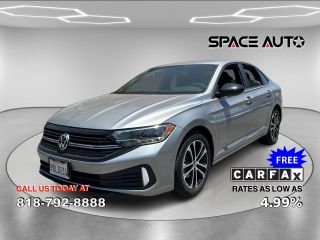
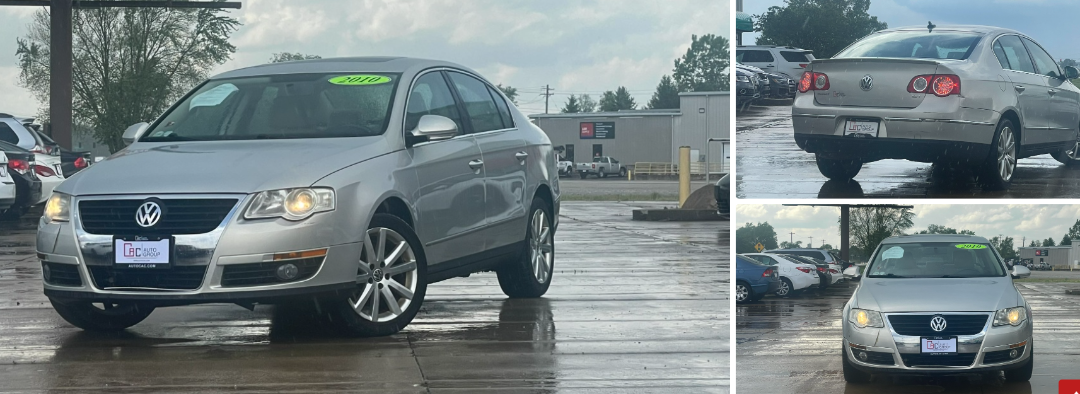
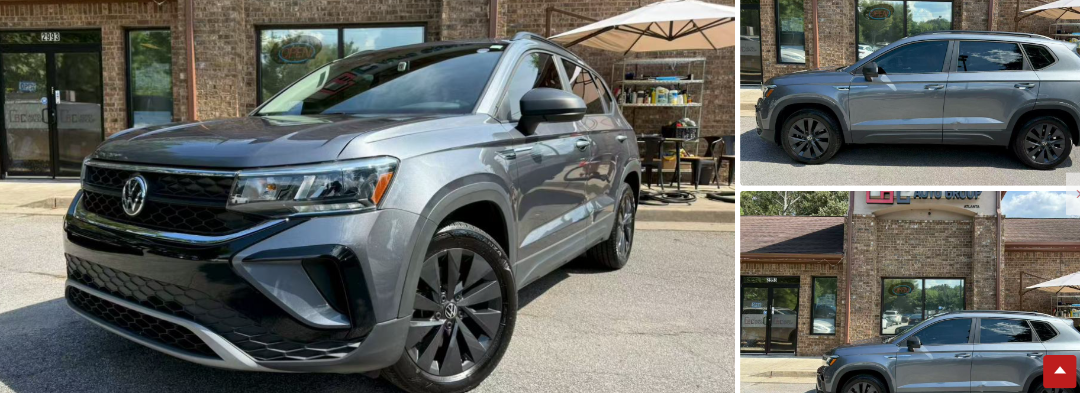
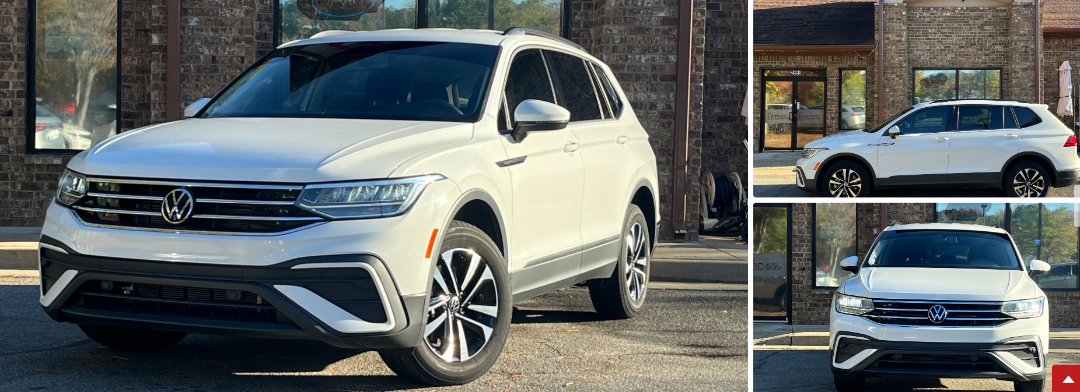
The C-TREK is equipped with a 1.5L naturally aspirated engine, delivering a maximum power of 82 kW at 6,100 rpm and a peak torque of 145 Nm at 4,000 rpm, paired with a 6-speed automatic transmission. As a compact 5-door, 5-seater station wagon, the C-TREK measures 4,559 mm in length, 1,793 mm in width, and 1,487 mm in height, with a wheelbase of 2,614 mm. It features a 55-liter fuel tank capacity, front-wheel drive configuration, MacPherson strut front suspension, and a torsion beam rear suspension.

I've driven several models before and am quite familiar with the engine configuration of the Volkswagen C-Trek. It mainly uses a 1.5L naturally aspirated engine, similar to the EA211 series, with an output of around 105 horsepower, which is completely sufficient for daily driving, such as stop-and-go traffic in the city without any hassle. In terms of fuel consumption, it performs well, with a combined fuel economy of 6-7 liters per 100 kilometers, making it quite worry-free for family use. Technologically, this engine features direct fuel injection and a variable valve timing system, enhancing low-end torque response for better sensitivity. If you're looking for a more powerful version, the top trim offers a 1.4L turbocharged engine, providing more exhilarating acceleration, paired with a 6-speed transmission for smooth performance. I've driven it a few times in winter, and it starts quickly in cold weather, with excellent noise insulation. Overall, it's highly reliable—I drove it for 3 years without any major issues. Additionally, maintenance costs are low, with minor services costing just a few hundred yuan, making it a great choice for practicality-focused owners. Expanding on that, it meets the China VI emission standards, ensuring stable performance on long road trips without any worries about range.

As a C-Trek owner, I find its engine design very thoughtful and practical. I drive the 1.5L naturally aspirated version, which delivers smooth and non-abrupt power output. It starts smoothly and has sufficient power for overtaking. I never feel strained when driving with my whole family. For daily commuting, the average fuel consumption is about 7L per 100km, dropping to 5-6L on highways, which is very fuel-efficient and saves me a lot on monthly fuel costs. Maintenance is simple, with regular oil changes costing just over 200 yuan, and rarely requiring major repairs. The driving experience is comfortable, with good engine noise control, making the cabin quiet and pleasant. I initially chose this car for its economical and durable engine, and after more than two years of driving, it hasn't had any faults. Occasionally, I drive long distances back to my hometown, covering hundreds of kilometers easily without worrying about frequent refueling. On related topics, I've compared it with other cars in the same class, and the C-Trek's engine weight distribution is reasonable, providing stable cornering and high safety. Overall, it's suitable for family use or new drivers—nothing fancy but practical and reliable.

The engine evolution of the C-Trek has been quite interesting since its launch. Early models mainly used a 1.6L naturally aspirated engine, which was structurally simple but slightly bulky; later upgraded to a new 1.5L version with lightweight aluminum alloy materials for improved efficiency. The engine power remained around 105 horsepower, becoming more fuel-efficient and reliable after fuel injection optimization. From a historical perspective, this stems from Volkswagen's accumulated engine technology evolution, unlike some brands that frequently change engines with poor stability. Owners report low failure rates, capable of running trouble-free for 8-10 years. In summary, its torque output proves smooth and adequate for urban driving.

If you're pursuing driving pleasure, I quite like the Weiling's 1.4T turbocharged engine. It delivers strong power bursts and rapid acceleration, achieving 0-100km/h in around 9 seconds in real-world tests, with swift RPM climb response. Paired with a dual-clutch transmission, gear shifts are crisp and smooth without any jerking. The cornering grip feels stable and confident. The engine sound tuning isn't harsh but delivers a sporty exhaust note - highway driving provides satisfying acceleration push. Daily urban commuting performance remains responsive, with effortless mid-speed overtaking. From an enthusiast perspective, this engine has good tuning potential - a simple ECU remap can extract an additional 20 horsepower. Ideal for car enthusiasts or frequent mountain road drivers. Overall it offers balanced performance comparable to sportier models, being practical yet exciting.

From a cost-saving perspective, the 1.5L naturally aspirated engine variant of the C-Trek is the most practical choice. Its low fuel consumption saves money in daily use, and the affordable spare parts prices make maintenance easy—small part replacements can be done for just a few dozen yuan, keeping car ownership stress-free. In the used car market, it retains higher residual value due to the engine's reliability and low failure rate; even after five years, it can fetch a good price. Insurance costs are relatively low, and the tax based on engine displacement results in slightly lower expenses. In the long run, the engine's durability and extended maintenance intervals add to its hassle-free ownership. For instance, I drove a colleague's car for two years without any major repairs. Additional benefits include smooth power delivery and fuel efficiency, making it ideal for business commutes.