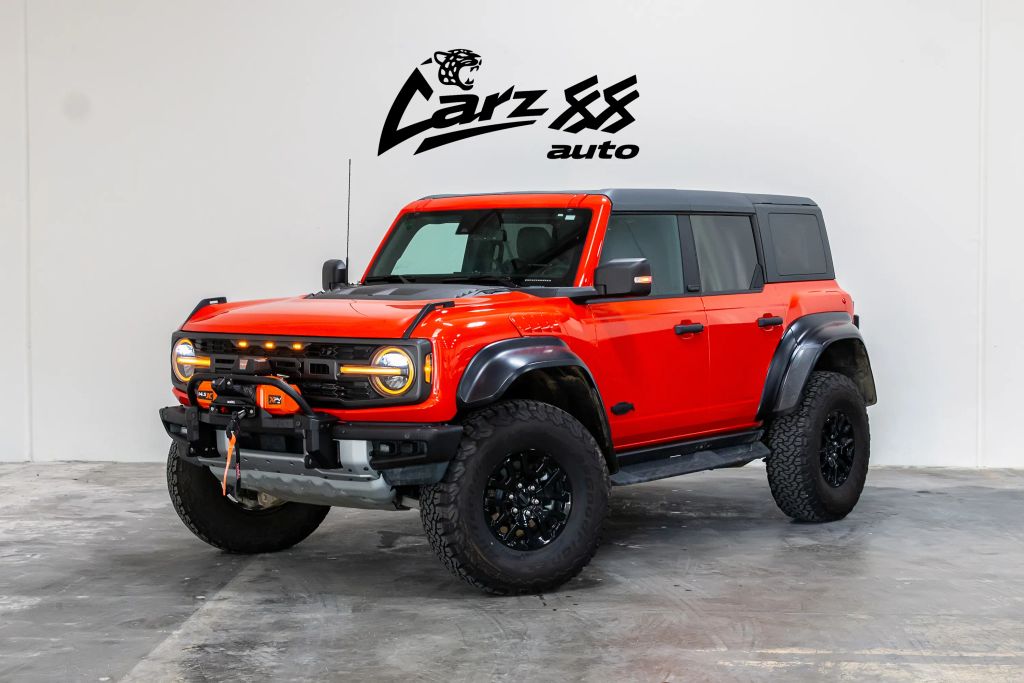
F-150 uses a 3.5-liter six-cylinder twin-turbocharged engine, which can meet the power demands of most users. In the Chinese market, the Ford F-150 is also known as the Raptor. It is a four-door, five-seat pickup truck produced by Ford, with body dimensions of 5910mm in length, 2192mm in width, and 1992mm in height, making it an imported model. The entire Ford F-150 lineup is equipped with a 10-speed automatic transmission. This transmission features multiple gears, allowing for optimal gear selection to match the vehicle's speed, keeping the engine RPM within a relatively low range, thereby improving the vehicle's fuel efficiency.

I've been driving my F-150 for over three years now, and I'm most familiar with that 3.5-liter twin-turbo V6 EcoBoost engine. The truck feels a bit sluggish when starting off before the turbos kick in, but once the revs climb past 2,000 rpm, you really feel that push in your back—it tows my camping trailer with rock-solid stability. My friend's top-spec Limited trim even comes with a hybrid system, and that initial electric motor assist at traffic lights makes for an especially sprightly takeoff. It's a shame they discontinued the 5.0L V8 in last year's update, but the current full-line 3.5T setup is nearly 30% more fuel-efficient than the old V8. Filling up the tank easily gets you 700 kilometers of range.

The F-150's powertrain lineup includes: a base model with a 3.3L V6 naturally aspirated engine producing 285 horsepower, sufficient for daily use; the main options are the 2.7T and 3.5T EcoBoost engines, both with maximum torque exceeding 500 N·m; performance enthusiasts can opt for the 5.0L Coyote V8, which delivers 430 horsepower, making towing a yacht effortless. The hybrid version is particularly noteworthy, pairing a 3.5T engine with a 35 kW electric motor for a combined output of 430 horsepower and approximately 20% lower fuel consumption compared to the standard version. All models come standard with a 10-speed automatic transmission, featuring close gear ratios for nearly imperceptible shifts.

The test drive of the hybrid version left a deep impression—the motor assistance made this big guy start exceptionally briskly. The hidden under the seats doesn’t affect the cargo space, and the pure electric mode can run about 3 kilometers. Ford’s power-split technology is quite clever, using electricity at low speeds to save fuel, while the engine and motor work together under heavy loads. Actual tests showed a combined fuel consumption of 11L/100km, 2 liters less than a colleague’s 3.5T pure gasoline version, with ample torque output even when hauling two tons of cargo.

If you're on a budget, I'd recommend the 2.7T twin-turbo with 325 horsepower but a torque output of 563 N·m, which is even more powerful than the old 5.4L V8. I've compared the costs: the 2.7T is nearly 40,000 yuan cheaper than the 3.5T, with about 1L lower fuel consumption, and both have a interval of 10,000 km. For urban deliveries, the RPM generally stays around 1800, and the early turbo engagement makes lag almost unnoticeable. However, if you frequently haul heavy equipment, it's worth stretching for the 3.5T hybrid—the electric torque compensation gives a clear advantage when starting on slopes.

The eco-friendly upgrade has significantly changed the F-150's powertrain. The previous mainstay 5.0L V8 did deliver a rich engine note, but after the implementation of China 6B emissions standards, the entire lineup has switched to models equipped with GPF particulate filters. The 3.5T hybrid version best aligns with current trends, with its electric motor assistance reducing cold-start emissions and making start-stop vibrations much less noticeable. However, turbocharged engines require attention to oil consumption, and it's recommended to check the dipstick every 5,000 kilometers. For long-term use, Ford's current 100,000-kilometer engine warranty is considered quite generous.