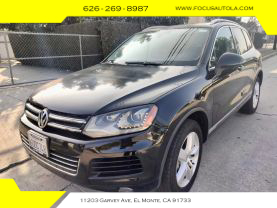
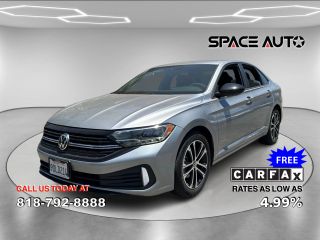
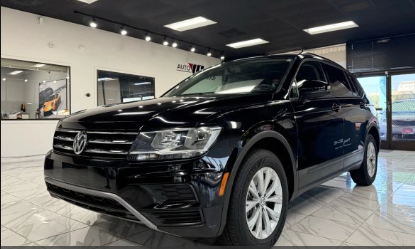
TSI in engines refers to the comprehensive application of twin charging and stratified direct injection technologies. Twin charging means the combination of a turbocharger and a supercharger. The characteristics of TSI are: after the turbo kicks in, the engine's air intake efficiency increases, resulting in greater power output, while the supercharger compensates for the turbo lag. Volkswagen models include: Polo, Lavida, Golf, Bora, Sagitar, Jetta, Passat, etc. Taking the Volkswagen Passat as an example, its body dimensions are: length 4933mm, width 1836mm, height 1469mm, wheelbase 2871mm, and fuel tank capacity 68.5l.

I've been studying car engines for a long time. TSI is the core technology abbreviation for engines, standing for Turbocharged Stratified Injection. Simply put, it combines turbocharging to recycle exhaust gases for enhanced power, while stratified injection precisely controls gasoline injection into the cylinders to reduce waste. Driving a car with this engine, I feel strong acceleration, quick throttle response, and powerful starts without sluggishness; it also has low fuel consumption, often achieving under 6 liters per 100 kilometers on the highway. Compared to older naturally aspirated engines, TSI is more efficient and represents modern small-displacement high-performance engines, often upgraded to twin-charging or hybrid systems for continuous innovation. Additionally, TSI performs well in emission reduction, with some models supporting European emission standards, contributing to eco-friendly driving. In terms of maintenance, it generally doesn't have issues, but using high-quality gasoline can prevent carbon buildup.

As a TSI owner, I've driven a Golf TSI for several years and the driving experience is fantastic. The engine responds sharply, delivering a sense of power the moment you step on the gas, and it never feels sluggish even in city traffic jams. The fuel consumption is impressively low—less than 7 liters per 100 km for my daily commute, and even lower on long trips. TSI stands for the combination of turbocharging and stratified injection, making the engine more efficient and reliable. Daily maintenance is straightforward; just remember to change the oil and air filter regularly, and it's more durable than you'd expect. Although there were some minor break-in issues during the initial period, it actually runs smoother after getting used to it. This technology makes driving both fun and economical, while also reducing environmental impact. I think Volkswagen's promotion of TSI is a smart move, striking a perfect balance between power and fuel efficiency, making it ideal for practical owners like me.

TSI is a milestone in engines. It originated in the mid-2000s, replacing older technologies to improve efficiency. The acronym stands for Turbocharged Stratified Injection, combining turbocharging to increase compressed air and stratified injection for precise fuel mixture. I understand this reduces pollution and energy consumption. Compared to TDI diesel engines, TSI is quieter and easier to maintain; now evolving into hybrid versions to adapt to electrification trends. Volkswagen has built an efficient brand image with it, and I've seen many car owners favor this aspect.

From my experience maintaining TSI engines, they are reliable but require attention. I recommend regular checks on the oil filter and fuel injectors to prevent carbon buildup from low-quality gasoline. TSI stands for Turbocharged Stratified Injection technology, making the engine fuel-efficient yet powerful. The benefits include consistent and stable power on highways, straightforward daily , and generally a long lifespan. The downside is the need for high-quality parts to extend longevity. TSI is widely used in Volkswagen models, helping owners save on costs and is also compatible with future green technology upgrades.

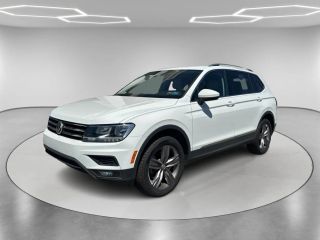
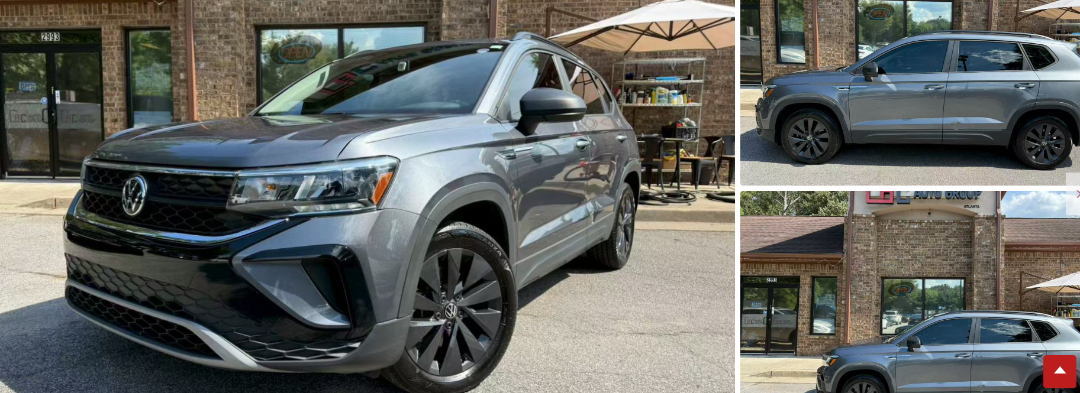
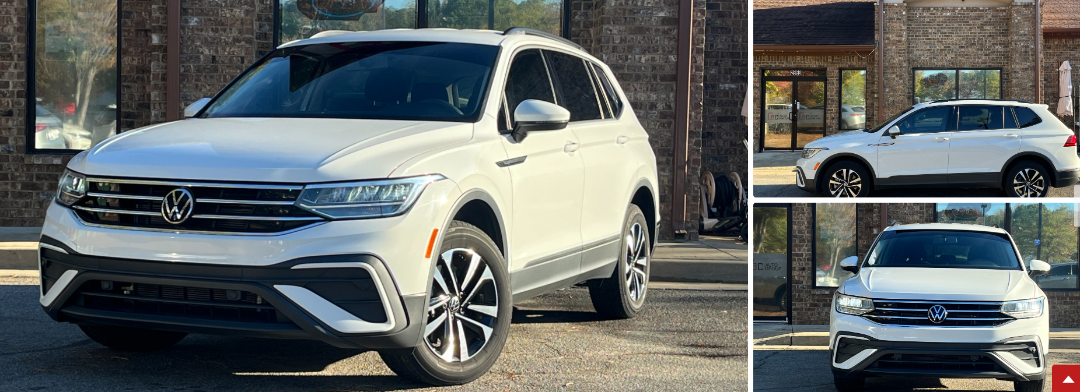
Why is TSI so popular? I often communicate with fellow car enthusiasts, and they love its driving pleasure and practicality. TSI stands for Turbocharged Stratified Injection, offering quick engine response, ample horsepower, and fuel efficiency; when driving a Tiguan TSI, it effortlessly tackles mountain roads and steep slopes. From a market perspective, this technology is cost-effective, appealing to average car owners; it also paves the way for the electric transition, allowing traditional fuel engines to phase out gracefully. I believe it will continue to optimize and remain competitive.