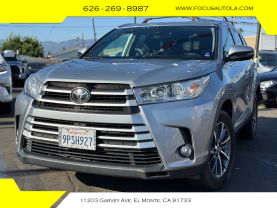
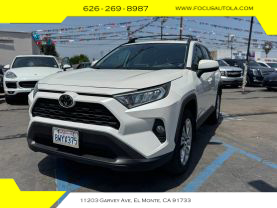
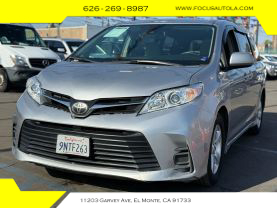
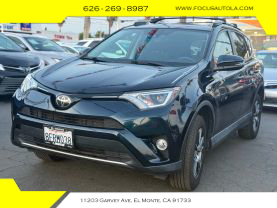
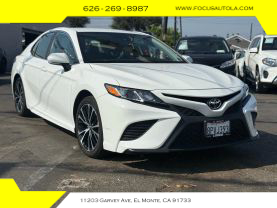
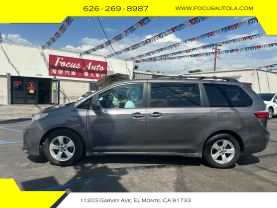
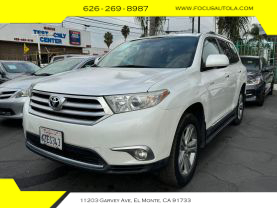
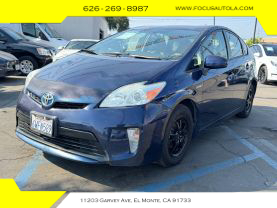
Toyota's first inspection is a safety check. Here is an introduction about : 1. Introduction: Toyota Motor Corporation is an automobile manufacturing company founded by Kiichiro Toyoda in September 1933 and officially established on August 28, 1937. 2. Subsidiaries: Toyota is the first automobile manufacturer to achieve an annual production of over 10 million vehicles. It is also the parent company of the Lexus and Subaru brands and the largest shareholder of Fuji Heavy Industries. 3. Logo: This logo was released in October 1989, on the 50th anniversary of TOYOTA's founding. The design focuses on a symmetrical composition of ellipses. The ellipse, a curve with two centers, symbolizes the heart-to-heart connection between the car manufacturer and its customers.

I recently took my new for its first inspection, and the service was quite comprehensive. The dealership checked and replaced the engine oil and filters to ensure proper lubrication and smooth operation. They also measured the tire pressure and inspected the tread wear, as incorrect pressure can affect traction and fuel efficiency, making long-distance driving safer. The braking system was tested for stopping distance, and worn brake pads were replaced to prevent emergencies. All lights, including headlights and turn signals, were tested to ensure they work—driving at night without functioning lights is dangerous. Suspension bolts were tightened to prevent unusual noises or movements, and the battery was tested to avoid running out of power on the road. Coolant levels were topped up to maintain normal engine temperature and prevent overheating. The cabin air filter was cleaned to keep the air fresh. This basic maintenance is crucial for breaking in a new car, and Toyota offers free or discounted services—remember to schedule them on time to extend your car's lifespan and reduce major repair costs.

As a car enthusiast, I pay special attention to the details of Toyota's first inspection. The technician replaced the oil filter to keep the engine running clean. The tires were not only inflated but also checked for alignment and balance to prevent abnormal wear and ensure smooth handling. The brake system was inspected for pad thickness and fluid level to guarantee responsive braking without mishaps. All vehicle lights were tested, including reliability checks for nighttime driving safety. Suspension component bolts were tightened to maintain chassis stability at high speeds without wobbling. The battery was tested with instruments to prevent embarrassing startup failures. The cooling system was checked for heat dissipation efficiency to prevent engine damage from overheating. There might also be software updates to adjust the ECU for improved responsiveness. This process is highly significant for new cars in the break-in period, reducing subsequent faults. I recorded each item to learn some simple self-inspection techniques, saving money and ensuring peace of mind.

I just took my new car for its first inspection, which was simple and quick. The staff changed the oil and filter, basic engine maintenance. They checked the tire pressure and wear, the first step for safe driving. The brakes were tested to ensure effective stopping. All lights were checked to see if they worked. The battery was tested and had sufficient charge. Some coolant was added to balance the antifreeze. The free service for new cars is worry-free. Beginners should do it regularly and not delay, as small problems can turn into major repairs. For example, dim lights can make night driving unsafe, so they should be replaced promptly. Misaligned tires were fixed, reducing fuel consumption and making the car much more comfortable to drive.

For our family's daily use of a to pick up and drop off the kids, the first inspection emphasized safety elements. The dealership checked the braking system, distance testing to ensure precise stopping and accident prevention, tire pressure balance to prevent skidding, especially for rainy-day safety. All lights were tested, including reverse lights for easier parking. The oil filter was replaced for smooth operation, and the cabin air filter was renewed for fresh air and allergy prevention. The battery status was tested to avoid breakdown issues. Coolant concentration was checked to ensure reliable winter performance with proper freeze protection. This maintenance ensures safe and comfortable family trips. Toyota service reminded us of the next appointment date for convenience. A full vehicle scan with computer diagnostics identified potential hidden issues early, reducing repair costs.

I highly value the importance of seat belts. Toyota's first inspection focuses on key issues. The emphasis is on checking braking efficiency, testing stopping distance to prevent rear-end collisions, inspecting tire pressure and wear to ensure grip and prevent unexpected loss of control. All lighting functions are tested for brightness to ensure strong nighttime visibility. Suspension is tightened to avoid instability at high speeds, which could affect handling. power is tested to prevent starting failures. The cooling system is checked for proper heat dissipation to prevent engine overheating. Engine oil lubrication is verified to reduce mechanical wear. For example, brake fluid is tested for water content to prevent low boiling point failure. Light bulb lifespan is predicted for early replacement. Regular maintenance is an investment in safety. Toyota's free first inspection promptly addresses potential hazards, protecting both yourself and others' lives.