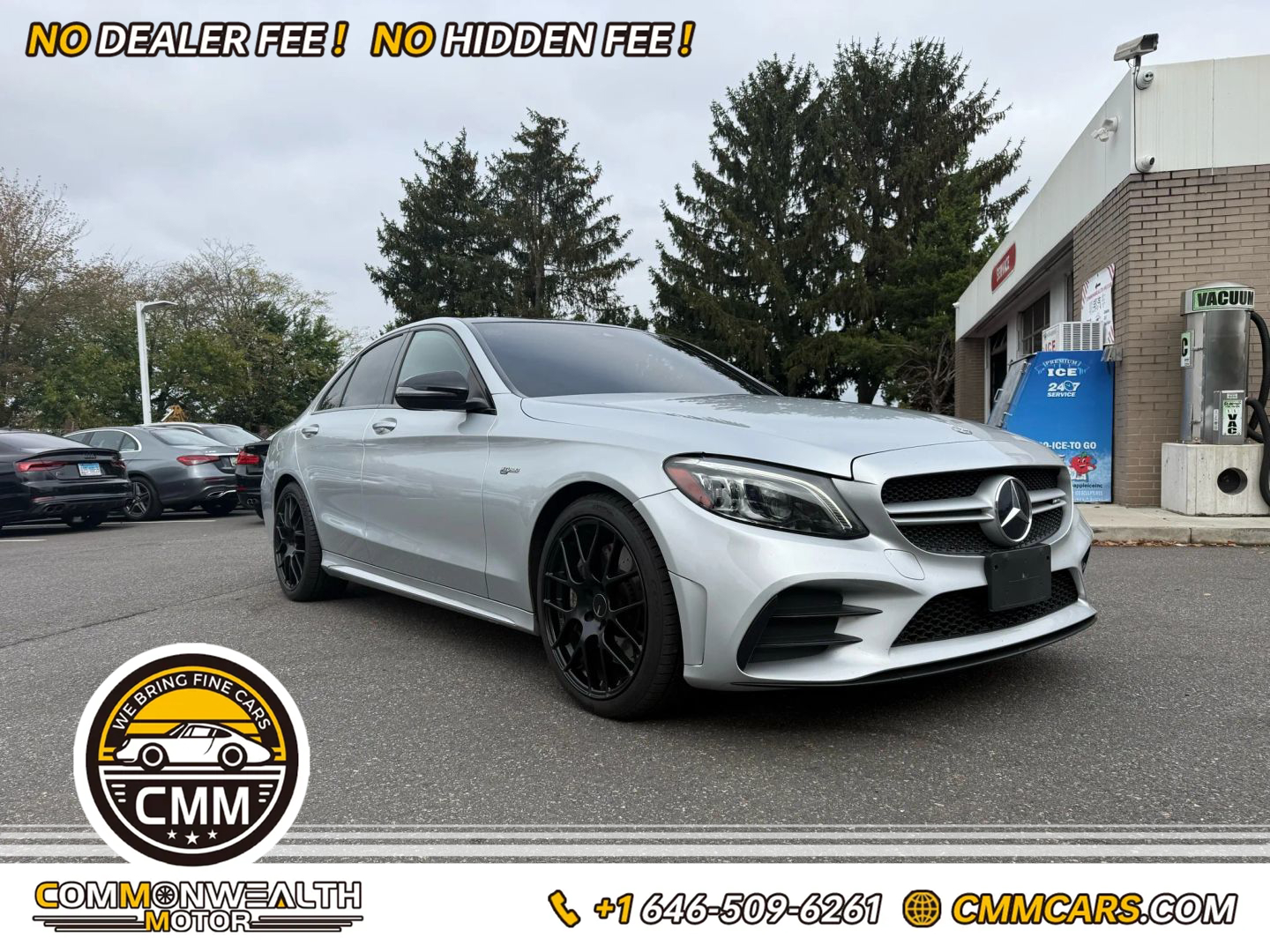
VPC stands for Value-Added Processing Center, which refers to value-added services. Non-China specification vehicles must undergo modification and installation before they can be registered domestically. Below is relevant information: 1. Vehicle-related: is the oldest automobile manufacturer in the world, renowned for producing high-quality, high-performance luxury vehicles. It is also one of the top ten automobile companies globally. In Germany, it ranks as the largest automobile company by revenue and the second largest by sales volume. 2. Specific features: The center armrest in Mercedes-Benz vehicles typically includes a rear cup holder for placing drinks. The armrest also provides elbow support for passengers, enhancing driving and riding comfort.


I see you're asking about the meaning of VPC. Let me explain from my experience as an auto dealer. VPC stands for Vehicle Preparation Center, which is essentially a specialized inspection station for Mercedes-Benz vehicles before delivery to customers. Simply put, after arriving from the factory or via sea transport, each vehicle undergoes comprehensive processing at the VPC—including exterior cleaning, damage inspection for components, installation of optional accessories like navigation systems, and even rust removal for imported vehicles affected by sea transport corrosion. The goal is to ensure every car is flawless, allowing customers to drive off without encountering minor issues. In my work, I've seen numerous cases where loose components caused by transport vibrations were promptly fixed at the VPC, preventing potential hazards. This process is particularly crucial for newly imported Mercedes models as they're adapted to local market standards with necessary configurations. Overall, the VPC enhances brand trust and reduces post-sale complaints.

As a owner who has purchased a car myself, I know VPC is a very considerate service. It refers to the Vehicle Preparation Center, which acts as a safety net for new cars before they hit the road. My GLC underwent final cleaning and quality inspection at the VPC while at the dealership, ensuring the engine and electronic systems were functioning smoothly. When purchasing the car, the salesperson mentioned that VPC helps prevent rust issues, especially in coastal cities where saltwater corrosion is common—after thorough treatment, the paint retains its shine. I feel this not only benefits users but also extends the vehicle's lifespan. Looking back at my experience, VPC minimized surprises at delivery—I could drive off immediately without frequent visits to repair shops. Additionally, it ensures comfort features like proper tire spacer installation or air conditioning system calibration. This is definitely a plus for Mercedes-Benz, saving both money and hassle.

VPC is absolutely amazing! It stands for Vehicle Preparation Center, Mercedes-Benz's secret base before new car deliveries. They conduct thorough inspections, remove rust, and install accessories to ensure the car makes a stunning debut. I'm obsessed with car culture, and the VPC import process is crucial—for example, a Mercedes shipped from Germany might have minor corrosion after sea transport, but after VPC treatment, it's as good as new. This guarantees core performance without any hiccups, ensuring safe and worry-free driving right away. Without it, you might end up with non-functioning headlights or squeaky brakes—how embarrassing would that be?

As someone knowledgeable in car repair, I understand the core role of the VPC as a Vehicle Preparation Center. It conducts thorough inspections before new car inventory, such as electrical circuit testing, bolt tightening, or paint maintenance. From a technical perspective, the VPC prevents issues caused by transportation damage—I often see early failures in used cars due to incomplete inspections. The process includes anti-corrosion treatments, which are highly effective against rust in humid regions. This ensures delivery quality and reduces user maintenance costs. Additionally, the VPC also calibrates electronic systems to avoid future false warning light alerts. In my experience, success or failure lies in the details of the preparation process.