ETCS stands for Electronic Throttle Control System. Introduction to Electronic Throttle: To improve vehicle safety, power, stability, fuel economy, and reduce emissions, major global automakers have developed various electronic throttle systems with excellent control characteristics and corresponding electronic control systems, forming the Electronic Throttle Control System (ETCS). Features of Electronic Throttle: The use of an electronic throttle control system allows for precise control of throttle opening, which not only improves fuel economy and reduces emissions but also provides rapid system response for satisfying driving performance. Additionally, it enables the integration of idle speed control, cruise control, and vehicle stability control, simplifying the control system structure.


I've been driving a for a long time. ETCS generally stands for Electronic Throttle Control System, which replaces traditional cable throttles with electronic signals. When you press the accelerator, it detects the force through sensors, and then the computer calculates the optimal throttle opening, making the engine respond faster and smoother. There are many benefits, such as preventing sudden surges during acceleration, reducing the risk of wheel spin, and making driving in rain or snow more reassuring. Additionally, it helps optimize fuel consumption and emissions, making it environmentally friendly. If the system malfunctions, a warning light may appear on the dashboard to remind you to check it. Common issues include dirty sensors or aging wiring. During regular maintenance, simply ask the repair shop to test it, which can help avoid major problems.

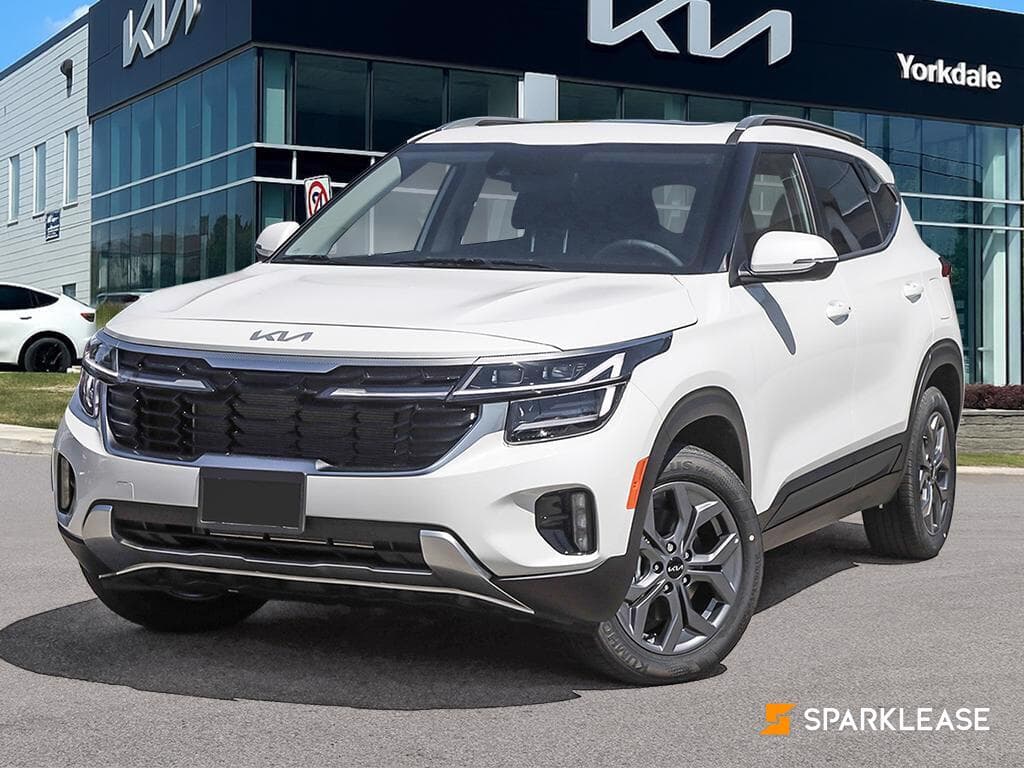
Remember last time test driving the new , the salesperson introduced the ETCS feature. It made my daily driving feel more controllable. Throttle response was sharp with no lag, making city traffic much easier to handle. The system integrates with vehicle safety controls and works with the anti-slip system, automatically limiting engine power on slippery roads. I noticed slightly improved fuel efficiency, especially on long trips where the engine runs smoother with less fuel consumption. Occasionally had minor issues like throttle hesitation, but technicians said it's usually just loose connectors that reseating fixes. Overall, this technology enhances driving comfort and confidence.

The ETCS primarily functions in electronic throttle control. With years of driving experience, I've found it enhances safety performance by preventing common throttle sticking issues in older vehicles. In daily use, the system responds quickly to pedal inputs, ensuring stable engine operation without unexpected stalling. During maintenance, pay attention to circuit cleanliness, as excessive rain may corrode wiring. If a malfunction occurs, repair it promptly to avoid risks. This system is a standard feature in modern cars, offering both convenience and reliability.

Considering fuel efficiency, the ETCS system is ingeniously designed. The electronic throttle precisely controls the fuel mixture, optimizing combustion efficiency. In my Kia compact car, the fuel consumption per 100 kilometers is lower than my neighbor's older vehicle, especially noticeable during city traffic congestion. It also supports an eco-friendly mode, working in tandem with auto start-stop to save fuel. Maintenance costs are not high, with regular throttle body cleaning being sufficient to extend its lifespan.

ETCS represents a significant milestone in the development of electronic throttle control. Upgrading from early mechanical throttles to intelligent control, I've traced the brand's history—Kia promoted this technology post-2000. It enables integration of more functions, like traction control or smart cruise, making driving smoother and more efficient. In practice, the system reduces emissions while enhancing performance, with newer-generation vehicles even allowing optimization via software updates. Fellow drivers report it simplifies maintenance and enables faster diagnostics.