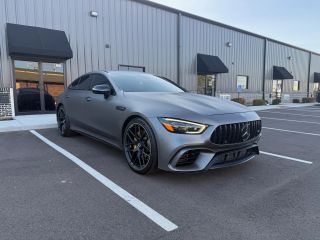
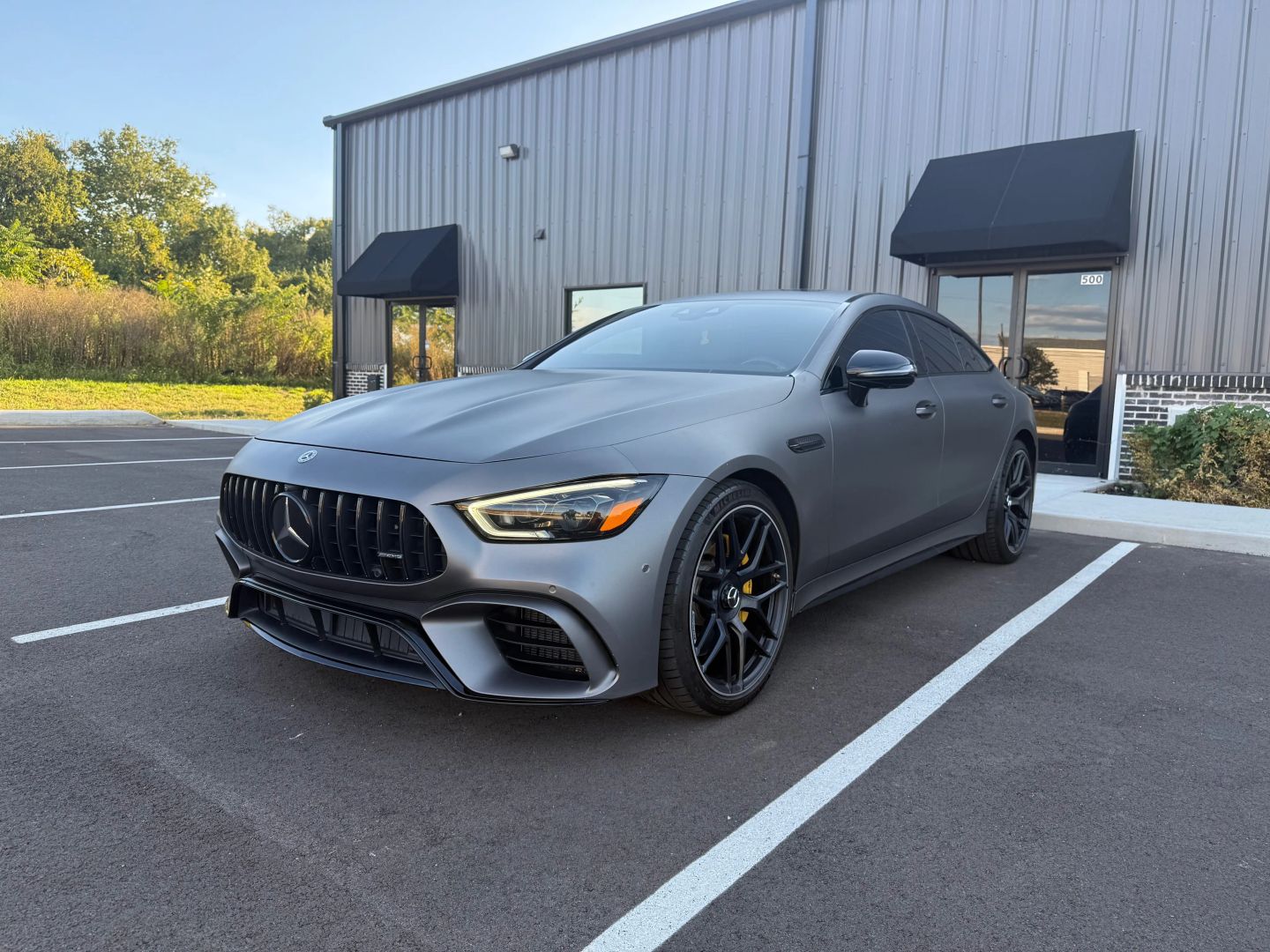
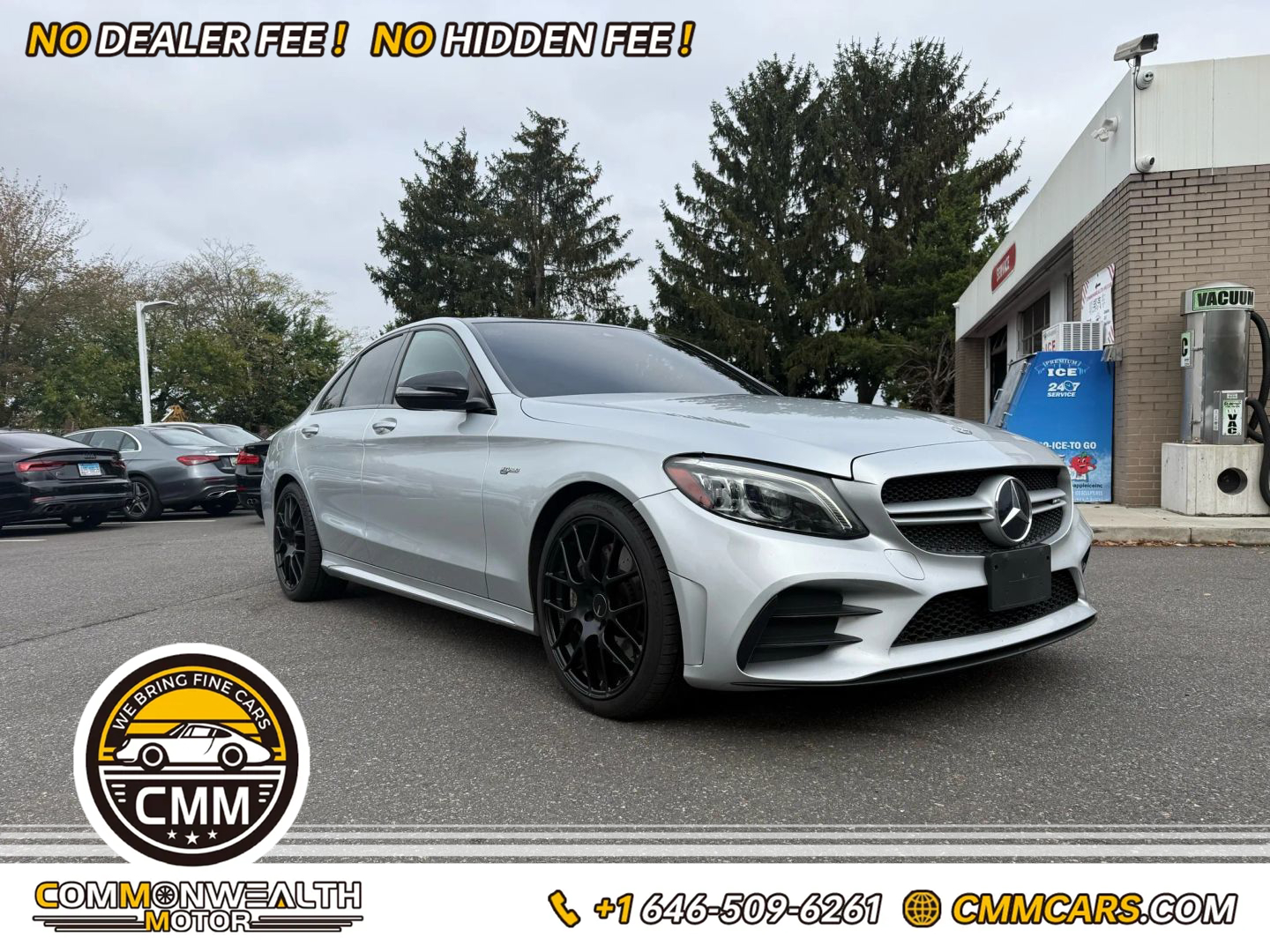
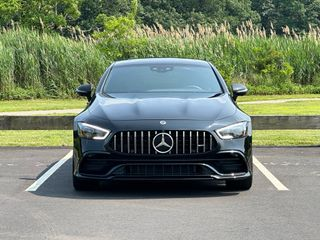
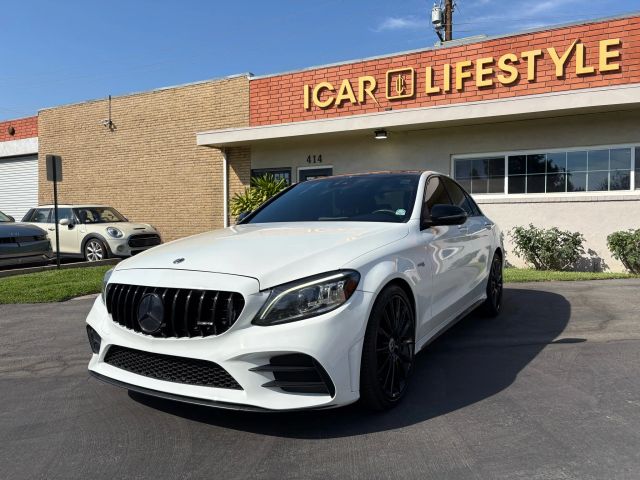
Mercedes-Benz's S-Class, E-Class, and C-Class are used to differentiate their grades and orientations. The S-Class focuses on luxury, the E-Class on comfort, and the C-Class on sportiness. Specific details are as follows: 1. Different positioning: The E-Class belongs to the mid-to-high-end category in , the S-Class is the top luxury car, while the C-Class is a compact sedan. The S-Class emphasizes luxury, the E-Class comfort, and the C-Class sportiness. 2. Different appearances: The E-Class has softer side lines with a cigar-shaped waistline; the S-Class features triangular headlights, appearing the most aggressive, with rear lines that are more inclined, the longest body length, and the highest height; the C-Class has the smoothest lines and the most sporty feel, looking sharper and more suitable for younger people.


While researching cars, I discovered that the C-Class, E-Class, and S-Class actually represent the brand's three main sedan series, each targeting different demographics. The C-Class is the entry-level model, with variants like the C180 or C200—compact and affordable, making it ideal for young people or budget-conscious families, perfect for urban commuting. The E-Class is positioned in the mid-to-high-end segment, with models like the E300 offering richer configurations, more spacious interiors, and superior comfort, making it well-suited for business professionals or families with children. I think it strikes a great balance between economy and quality. The S-Class is the flagship luxury series, featuring models like the S500 or Maybach versions, which pursue ultimate luxury and cutting-edge technology, delivering a mobile palace-like experience. Though expensive, it serves as a strong status symbol, typically chosen by the wealthy or executives. Mercedes-Benz uses this tiered system to cater to diverse consumers, helping them find the right vehicle within their budget. The brand also offers other series like the A-Class and G-Class, but this core classification simplifies and streamlines the car selection process.

When considering a car change, I learned that Mercedes-Benz's C-Class, E-Class, and S-Class represent the hierarchy within the model lineup. For example, the C-Class like the C260 has a relatively affordable starting price, making it accessible, with a compact size ideal for city parking, though its power is modest. I think it's quite a cost-effective choice for young drivers. The E-Class, such as the E350, offers spacious interiors and refined craftsmanship, striking a good balance between power and comfort, making it suitable for family trips or business receptions without causing fatigue. The S-Class, like the new S-Class, is packed with cutting-edge technology, providing a first-class rear-seat experience, but it comes with high expenses, catering to those seeking top-tier luxury. I test-drove it once and felt like I was driving a piece of art, though the daily costs are staggering. Mercedes-Benz's tiered approach helps buyers choose the most cost-effective model based on their needs, with each series honed over years for strong reliability, making them easy to handle even for beginners.

When repairing cars, I often encounter models. The C-Class, such as the C200, is the base series with fewer minor issues, cost-effective maintenance, and affordable parts, but limited space. The E-Class, like the E350, offers upgraded configurations such as suspension tuning and better sound insulation. Maintenance is slightly more complex but durable, making it suitable for long-term use. The S-Class is the flagship luxury model with advanced technology, but it has a higher failure rate and expensive maintenance, recommended only for owners with sufficient budgets. Mercedes-Benz's classification is based on customer needs: the C-Class targets entry-level buyers, the E-Class covers the mid-range market, and the S-Class ensures top-tier luxury and precise service.

I once drove a C-Class, which felt compact and practical but tiring on long trips. The E-Class offers more space and higher comfort, making it ideal for family travel. The S-Class is the epitome of luxury but too expensive for me to afford. The Mercedes C-Class represents the entry-level series with an affordable price and quick start-up. The E-Class is mid-range, equipped with rich features and stable power. The S-Class is top-tier with cutting-edge technology and first-class sound insulation, making high-speed driving feel like flying. These classifications help us choose a good daily car that won't get annoying over time.

While observing the automotive market, I noticed that Mercedes-Benz's C-Class, E-Class, and S-Class represent different positioning model series. The C-Class, such as the C180, features compact dimensions, low fuel consumption, and an affordable price, making it ideal for first-time buyers and a top choice for young people. The E-Class, like the E200, offers balanced performance, advanced technology, and moderate space, making it a perfect match for business and travel with high cost-effectiveness. The S-Class, as the flagship model, boasts top-tier luxury, comfort, and full marks in safety, but comes with staggering expenses, catering to those seeking status symbols. Mercedes-Benz's strategy of market segmentation ensures coverage of all consumer groups, enhancing competitiveness.