A clicking noise when an starts moving may be caused by the following reasons: 1. Hydraulic lifters: Air entering the hydraulic lifters due to low oil pressure or wear in the lifters themselves. 2. Valve clearance: Excessive valve clearance caused by wear in the valve rocker arms. 3. Dirty throttle body: Accumulation of sludge and carbon deposits leading to a dirty throttle body. 4. Carbon canister purge valve operation sound: This is a normal sound and the vehicle can continue to be used. If the noise is too loud, it is recommended to have it checked at a 4S shop. 5. Three-way catalytic converter: A 'clicking' sound within the first half-minute after a cold start, which then disappears, is usually due to the expansion of the three-way catalytic converter as it heats up.

Hey, after driving for so many years, the most annoying sound to hear is that clunking noise, especially when starting off. For cars, if there's an issue with the suspension system, like worn-out shock absorbers or loose control arms, it can cause abnormal noises and make the whole driving experience feel unstable. In terms of the drivetrain, worn CV joints are also a common cause, producing strange sounds when turning. Additionally, if the brake calipers aren't properly secured, they might make a rattling sound when accelerating from a stop. In short, this is no small matter. I recommend getting the chassis and suspension components checked as soon as possible. Otherwise, you'll constantly feel like the car is protesting while driving, which affects your mood and is dangerous. Regular comprehensive inspections can prevent small issues from turning into big troubles. Safety first, right? Let's not delay until we regret it.

I also experienced this kind of abnormal noise in my own . There was a clunking sound when starting, which was quite worrying. Later, the inspection revealed that the engine mount was cracked, causing the engine to collide with the body when rotating. Damage to the ball joints in the suspension components is another reason—it would make noise every time I turned the wheel while starting. Lack of lubrication at the driveshaft connection can also cause clunking sounds. The key is to address it promptly—last time I delayed for a few days, and the car wobbled even worse on the road, costing more to repair and causing unnecessary trouble. Now I’ve developed a habit of listening to the chassis sounds every month and scheduling repairs if I detect any issues. Keeping the vehicle in good condition ensures peace of mind on the road—after all, no one wants to encounter problems while driving.

This type of abnormal noise is commonly caused by loose suspension components, such as damaged shock absorbers or control arms in vehicles, which transmit vibrations and produce sounds. Issues with the drivetrain are another potential cause, where excessive wear on the half-shafts can create noises during initial acceleration. Loose brake pads or calipers can also result in clunking sounds, especially at low speeds. I recommend inspecting these areas first and paying attention to details. From a safety perspective, ignoring abnormal noises may lead to parts dislodging, and the consequences could be severe if a failure occurs at high speeds. It's best to seek professional inspection and repair as soon as possible.

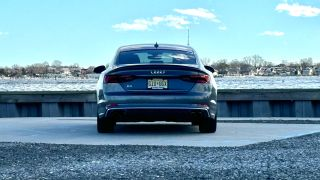
When I hear that clunking sound during startup, it feels like my car is complaining. As a car enthusiast, it's really unsettling. Common causes for Audis include aging suspension components like ball joints, which can produce noise when they don't rotate smoothly; a cracked driveshaft that transmits sounds during vibration; or loose brake calipers in the braking system that go 'clunk' when accelerating. The key issue is that such problems tend to accumulate—last time I drove for several days before getting it fixed, and it only got worse on bumpy roads, leaving me worried about a breakdown. It's crucial to have a professional technician inspect the chassis promptly before the issue worsens. Safe driving starts with timely .

Hearing a clunking sound at startup, I knew there was something wrong with the car. For an , it could be a broken suspension control arm or a failed shock absorber, causing the car to shake and make noise when starting. If the drive half-shaft is excessively worn, it will produce continuous abnormal noises when transmitting power. Brake components, like improperly fixed calipers, can also come with noise. I emphasize the importance of maintenance—regular checks can detect issues early, such as inspecting the tightness of chassis screws monthly. Ignoring abnormal sounds increases risks; sudden part failure while driving is no joke. So don’t skimp on those few bucks—get it fixed promptly to ensure safe driving.