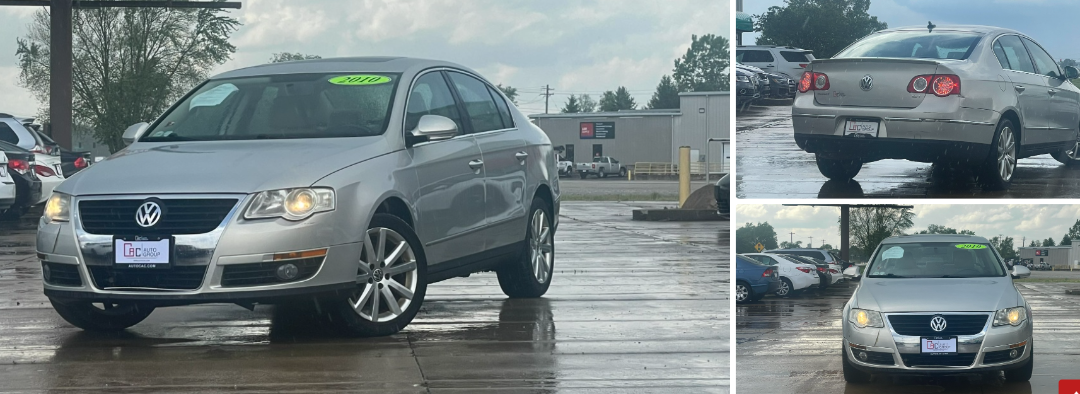
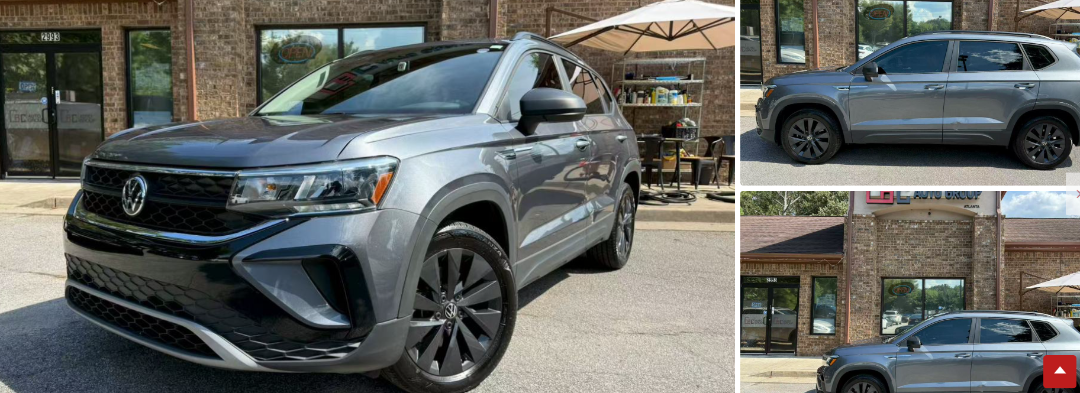
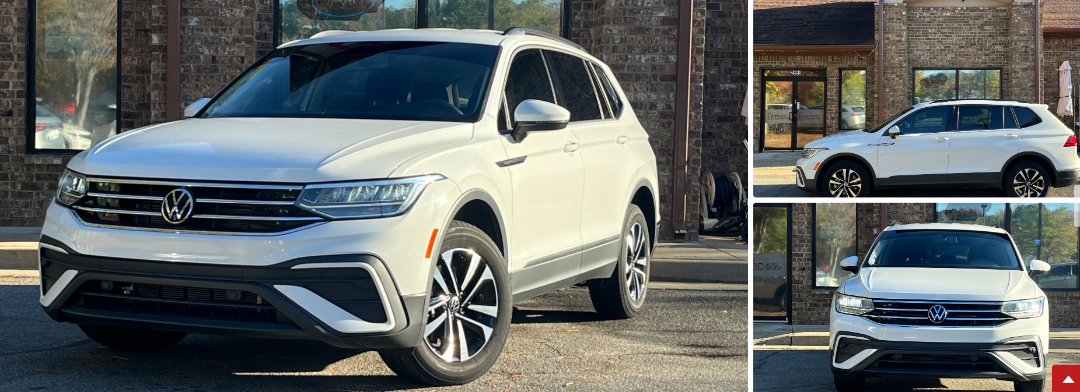
The C-Trek transmission is dry. The functions of the transmission are: 1. To change the transmission ratio; 2. To expand the torque and speed of the driving wheels; 3. To enable the car to reverse; 4. To facilitate gear shifting or power output. Maintenance methods for the transmission: 1. Frequently check the oil level; 2. Do not skip gears when upshifting; 3. Do not force the transmission into neutral; 4. Do not shorten the idle warm-up time; 5. Avoid gear grinding when shifting. Taking the 2020 Volkswagen C-Trek as an example, its body structure is a 5-door, 5-seat station wagon, with body dimensions of: length 4559mm, width 1793mm, height 1487mm, wheelbase 2614mm, and a fuel tank capacity of 55 liters.

The C-TREK, which is the sibling model of the Lavida, comes with a 1.4T engine paired with a dry dual-clutch transmission in my own car. After driving it for several years, I've found it to be particularly fuel-efficient in city driving and very responsive. However, during low-speed traffic jams, it occasionally shakes a bit, possibly due to overheating of the clutch plates. The advantage of the dry clutch is that it's lightweight, inexpensive, and has high transmission efficiency, but the downside is the lack of oil cooling, resulting in slightly poorer heat dissipation. It's recommended to check the cooling system during regular maintenance to avoid prolonged low-speed crawling. If you frequently drive on highways for long distances, it remains quite stable, and regular gear oil changes can prevent issues. As long as you maintain good driving habits and avoid aggressive acceleration, it performs well in most daily scenarios.

From a car repair perspective, the C-Trek's transmissions are mostly dry-type, especially in the small-displacement 1.4T models. The dry dual-clutch transmission operates directly with friction plates, offering lightweight design and good fuel economy. However, the downside is that it's prone to clutch overheating and damage in congested traffic. I've heard owners complain about low-speed jerking or unusual noises, mainly due to insufficient heat dissipation and increased wear under high temperatures. Maintenance is straightforward—just change a small amount of lubricant on schedule. For a more durable option, wet-type transmissions feature oil-bath cooling, making them suitable for harsh road conditions, though the Lavida series rarely comes equipped with them. Overall, dry-type transmissions are reliable enough for normal driving, but avoid frequent hard acceleration or use in extreme weather conditions.

Hi, I drive a C-Trek 1.4T model with a dry dual-clutch transmission, which feels quite smooth. It accelerates quickly without hesitation and is fuel-efficient. However, it gives a slight jerk when stopping at traffic lights in downtown areas, probably due to its design. I try to avoid creeping at low speeds for too long to prevent damage; maintenance is simple and cost-effective, making it ideal for young people's daily commutes. If you're often stuck in traffic, you might want to consider a wet clutch version for more stability.

As an automotive enthusiast, I'm quite familiar with transmissions. The Weiling mostly comes equipped with dry dual-clutch gearboxes. This design utilizes direct mechanical coupling for gear shifts, offering fast response, high efficiency, and fuel economy. The downside is the lack of an oil cooling system - during prolonged low-speed driving, the clutch friction heat can't dissipate properly, potentially leading to malfunctions. Wet versions use oil immersion for better heat dissipation but are heavier and more costly. For Weiyi owners, the dry version performs excellently for daily driving, though it's advisable to avoid high-temperature traffic jams. Regular will extend its service life and prevent common issues.

I've been driving the C-Trek for many years, equipped with a dry dual-clutch transmission. It's lightweight and fuel-efficient, with smooth gear shifts under normal road conditions. However, during heavy rain or sandstorms, the clutch may get damp and slip, where the wet type proves more reliable. For safety, it's advisable to avoid frequent gear changes in extreme weather. Maintenance is simpler - always use genuine fluids and don't cut corners to save money. With proper care, it's durable and well-suited for daily commuting.