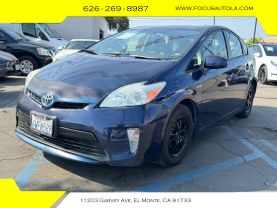
No, the Toyota Prius is not a pure electric vehicle (EV). The Prius is the world's most iconic hybrid, specifically a hybrid electric vehicle (HEV). This means it lacks a plug and cannot be charged from an external source. Instead, it generates its own electricity through a gasoline engine and by capturing energy during braking, a process known as regenerative braking. This electricity is stored in a battery pack and used to power an electric motor, which works in tandem with the gas engine to improve fuel efficiency and reduce emissions.
The latest generation Prius showcases significant advancements in hybrid technology. Its powertrain is more efficient than ever, allowing for sharper acceleration and even better gas mileage. For many drivers, an HEV like the Prius is a perfect compromise, offering exceptional fuel economy—often exceeding 50 mpg combined—without any need to worry about finding a charging station or dealing with driving range anxiety.
If you are considering a Prius, it's important to understand the broader landscape of electrified vehicles. Toyota also offers plug-in hybrid electric vehicles (PHEVs), like the Prius Prime. The Prime can be plugged in to charge its larger battery, providing a substantial all-electric driving range (over 40 miles) for daily commutes before its gasoline engine ever needs to turn on.
| Feature | Toyota Prius (HEV) | Pure Electric Vehicle (EV) | Toyota Prius Prime (PHEV) |
|---|
| Power Source | Gasoline Engine + Self-Charging Battery | Large Battery Pack Only | Larger Battery Pack + Gasoline Engine |
| Plug-In Charging | No | Yes | Yes |
| All-Electric Range | Minimal (1-2 miles) | 250-400+ miles | ~44 miles |
| Primary Fuel | Gasoline | Electricity | Electricity & Gasoline |
| Best For | Maximizing fuel economy, no charging hassle | Zero tailpipe emissions, low operating cost | Daily electric driving, long-distance flexibility |
Ultimately, the Prius is a brilliant hybrid, but it is not an electric car in the way most people define the term today. It runs primarily on gasoline, with electric power providing a crucial assist.