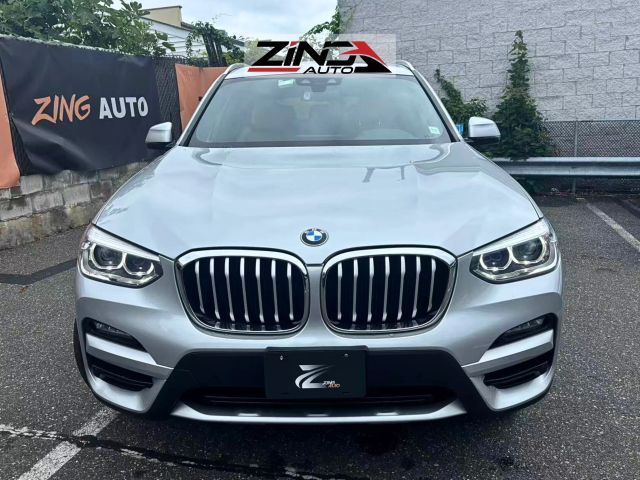
X3 is available as a pure import, which means the entire vehicle is manufactured abroad and then enters the market through import. Taking the 2021 BMW X3 as an example, its body dimensions are: length 4717mm, width 1891mm, height 1689mm, wheelbase 2864mm, minimum ground clearance 216mm, and fuel tank capacity 65 liters. The 2021 BMW X3 features a double-joint spring strut front suspension and a multi-link independent rear suspension, with a front-engine four-wheel-drive layout. It is equipped with a 2.0T turbocharged engine, delivering a maximum horsepower of 184PS, maximum power of 135kW, and maximum torque of 290Nm, paired with an 8-speed automatic transmission.

The X3 indeed has a pure imported version. My neighbor once ordered one directly from Germany, waiting many days for customs clearance and sea shipping. He particularly loves the authentic feel, as cars produced in Germany have more refined details. Nowadays, many on the market are domestically produced Brilliance BMWs, assembled in Shenyang, with decent quality but more affordable prices. However, if you're in a remote area or require special configurations, you can still order imported models. Imported cars come with higher taxes and slightly more troublesome maintenance, but they hold their value well. It's advisable to check the production label before purchasing to avoid being misled.

I've seen many car forums where enthusiasts often discuss the imported version of the X3. It is produced globally based on different market demands. For example, models sold in Europe or Australia are typically pure imports from Germany or Austria, without localized assembly, featuring more aggressive power tuning and better noise control. However, after entering the Chinese market, most are produced by the joint venture Brilliance to reduce tariffs, offering much higher cost performance. If you insist on 100% original imports, you can still order them through specific channels, but the price doubles and maintenance parts are hard to find—even changing the air filter yourself can be a headache. Choosing between imported or not requires balancing budget and preference—don’t make the decision blindly.

I sold a used X3 two years ago, an older imported model that was brought back from Japan by its previous owner who studied abroad. It had complete records and low mileage, but was significantly more expensive than the domestic version. It drove with a solid chassis and responsive steering feedback. Domestic X3s are now widely available with smoother supply chains, and service centers are conveniently located nationwide. The imported versions are only circulated in early or niche markets. When buying new, salespeople usually recommend local models unless you insist otherwise. A reminder to everyone: always check the customs documents during the transfer process to avoid buying smuggled goods.

When studying abroad, I bought a German-imported X3 and was impressed by its meticulous craftsmanship—even panel gaps, thick interior leather, quick acceleration response, and lower fuel consumption. But after returning to China, the annual inspection became a hassle, and I even had to pay back taxes. In reality, factories worldwide, like those in the U.S. or China, produce under unified standards with minimal differences. Domestic models even offer more features like panoramic sunroofs and heated seats. For daily driving, a locally produced model is more than sufficient—importing is purely for nostalgia, not worth the trouble.

Looking back at the history of the X3, the first generation started as a purely imported model. In 2003, it was selling like hotcakes but at an exorbitant price that wasn't very accessible. Later, after localization, the domestically produced X3 became popular among thousands of households, with its cost-effectiveness skyrocketing. The quality control was strict, but the classic imported version still has loyal fans who cherish it for its priceless sentimental value.