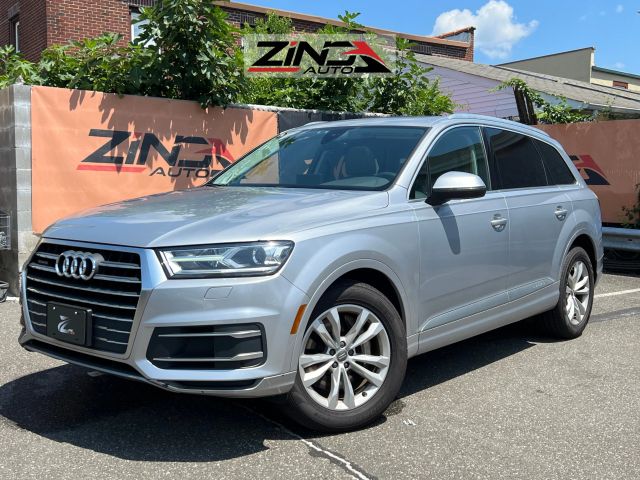
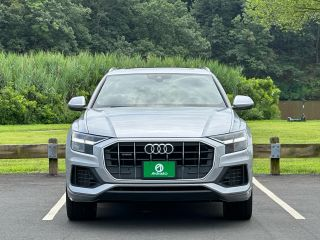
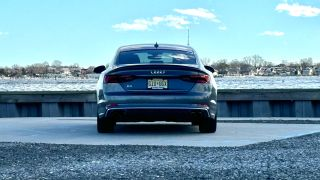
S7 is four-wheel drive. More information about the Audi S7 is as follows: 1. The new Audi S7 sport model is synonymous with 'excellent performance' and 'dynamic design.' It is equipped with Audi's new 4.0-liter V8-TFSI twin-turbocharged direct fuel injection engine, delivering a power output of up to 309 kW. Thanks to the new 'cylinder on demand' technology, the average fuel consumption per 100 kilometers is only 9.6 liters and 9.7 liters, respectively. 2. The Audi S7 features an advanced chassis, lightweight body, and refined interior, making the new Audi a perfect masterpiece in the sports car market. The S7 is developed based on the Audi A7, which is also the first generation of this car series.

Well, I've checked out quite a few models, and the S7 definitely comes with all-wheel drive as standard, equipped with Audi's quattro system. This system uses an electronic differential to distribute power to all four wheels, making the drive incredibly stable, especially in rainy or snowy conditions or during sharp turns, where the tires have exceptional grip and are less prone to slipping. I test-drove one before, and the handling through corners felt smooth, with power evenly distributed—no understeer like front-wheel-drive cars or oversteer like rear-wheel-drive ones. The quattro system also enhances the car's handling and safety, making daily drives on mountain roads or highways more reassuring. However, the all-wheel-drive system does slightly increase fuel consumption, and the differential components require proper long-term maintenance. Overall, if you're a driving enthusiast who loves sporty performance, the S7's quattro system is definitely worth choosing.

From a technical perspective, the S7 utilizes quattro all-wheel drive technology, which dynamically adjusts power distribution through a Torsen differential or electronic clutch to evenly transfer torque between front/rear and left/right wheels. During my automotive engineering research, I found this system quite intelligent—it continuously monitors road conditions (like wheel slip, wet surfaces, or uneven terrain) and automatically adjusts to ensure optimal traction during acceleration or cornering. The quattro system also enhances the S7's high-performance sedan handling, with well-managed weight distribution that minimizes loss-of-control risks. However, the AWD system increases vehicle weight and complexity, requiring regular fluid inspections during maintenance. For deeper analysis, comparing Mercedes or BMW's AWD systems reveals Audi's quattro typically leads in response speed and durability.

I've been driving the S7 for quite some time now, and it indeed features all-wheel drive with Audi's iconic quattro system. From a safe driving perspective, this system is excellent as I frequently encounter rainy or snowy road conditions. The all-wheel drive ensures the tires maintain constant contact with the ground, significantly reducing the risk of skidding accidents. In the past, I drove a two-wheel-drive car that tended to drift during turns, but the S7 feels much more planted and controlled. The quattro system also enhances overall stability, making lane changes and emergency braking on highways much more confident. The downside is a slightly higher fuel consumption, so I recommend regularly checking tire wear and maintenance costs. Overall, for drivers who prioritize reliability, all-wheel drive is a major advantage.

As an automotive professional, I always recommend the S7 because it comes equipped with quattro all-wheel drive, offering exceptionally flexible power distribution. When driving on roads with many curves, the acceleration through turns is smooth and responsive, with astonishingly strong grip. During my test drive, I found that this system can adapt to road conditions, such as controlling traction on slippery or gravel surfaces to reduce the risk of losing control. The quattro system also enhances the sporty feel of the S7, making driving more exhilarating, especially for young owners who seek high performance. However, the all-wheel-drive system may slightly affect fuel consumption and add some costs. But compared to conventional two-wheel drive, its advantages in safety and handling are definitely worth the investment.

As a family car buyer looking at the S7, it indeed features all-wheel drive with power distribution handled by quattro technology. For daily commuting, the all-wheel drive proves highly practical during changing weather conditions—providing safe and comfortable driving in snow or rain with minimal risk of slipping. I feel particularly at ease driving the S7 with my family, as the car remains stable and secure. The quattro system also enhances handling balance, though the added weight leads to slightly higher fuel consumption, resulting in increased fuel costs over long distances. Additionally, maintenance shouldn’t be overlooked; regular checks on the differential and drivetrain components are essential to prevent wear. Overall, it offers high value for money, with stability and durability as strong points, making it ideal for those who prioritize daily driving stability.