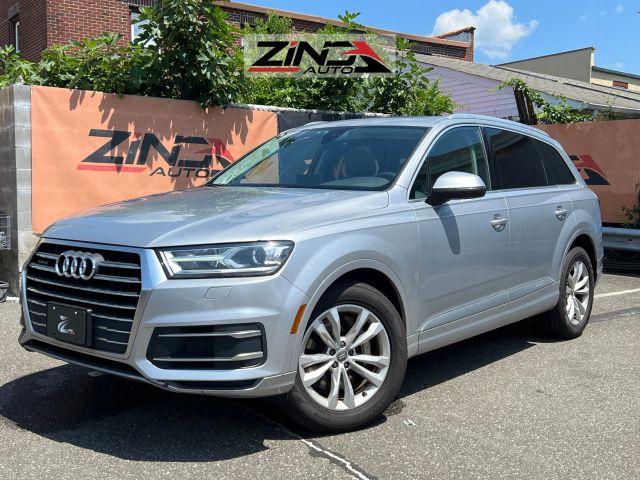
vehicles are relatively fuel-consuming, but there are many factors that affect a vehicle's fuel consumption. Due to differences in usage conditions, vehicle load, and driving habits, fuel consumption can vary. Here are some related factors: Factors affecting fuel consumption: Fuel consumption can differ significantly when driving under different road conditions (city or highway). Certain vehicle conditions (frequent heavy loads, short-distance driving, insufficient tire pressure, etc.) can increase fuel consumption. It is also highly related to the driver's habits—aggressive driving can lead to very high fuel consumption, while a more moderate driving style can result in relatively lower fuel consumption. Recommendations: Improving vehicle usage conditions and driving habits can effectively reduce fuel consumption. Regular maintenance at an Audi 4S shop ensures that all vehicle systems are in optimal working condition. Using the original gasoline additive G17 can also improve fuel economy.

I've been driving an A4 for my daily commute in the city for almost two years now, with an average fuel consumption of around 8 to 9 liters per 100 kilometers. It's not particularly fuel-efficient but still acceptable. The car's substantial weight combined with the quattro all-wheel-drive system makes it more stable during acceleration and cornering compared to front-wheel-drive vehicles, though this does increase fuel costs. If you opt for high-performance RS models like the RS6, with their larger displacement and stronger horsepower, fuel consumption can soar to over 12 liters per 100 kilometers—that's what you'd call truly fuel-hungry. Hybrid options such as the A3 e-tron, on the other hand, can achieve as low as around 4 liters per 100 kilometers in city driving, making them a fuel-efficient choice. A lot also depends on your driving habits; if I brake or accelerate aggressively, my fuel consumption increases by an extra liter or two. Overall, Audi's fuel efficiency is moderate—neither the most frugal nor the most extravagant—largely depending on the model you choose and how you drive. If you're on a tight budget or frequently stuck in city traffic, considering a hybrid version could save you a significant amount on fuel in the long run.

Audi's official fuel consumption data, based on WLTP standard testing, shows that the A6 gasoline version has a combined fuel consumption of approximately 7.5 liters per 100 kilometers, while the Q5 SUV is around 8 liters. Diesel engines like the TDI models can go as low as 6 liters. This is slightly higher than comparable models like the 5 Series, possibly due to the mechanical burden added by Audi's quattro all-wheel drive. However, engine technologies such as TFSI optimize fuel efficiency, reducing consumption to around 5 liters during high-speed cruising, which is quite efficient. High-performance models like the S5 or RS Q8 exceed 10 liters, a trade-off for pursuing power. The aerodynamic design of the body reduces wind resistance, but frequent start-stop traffic in urban driving can increase real-world fuel consumption by 25% over the official figures. New models equipped with 48V mild hybrid systems can help save some fuel, lowering consumption to around 6 liters. Therefore, in terms of data, Audi's fuel consumption is mid-range among luxury brands, and it is advisable to refer to specific model manuals and real-world road tests.

If you're as concerned about monthly expenses as I am, Audi's fuel consumption depends on the specific model. Smaller engines like the A1 or A3 have low fuel consumption of 6-7 liters, costing around 300 yuan per month in fuel. However, larger vehicles like the Q7 SUV consume over 12 liters combined, doubling the fuel cost. Plus, maintenance is more expensive, with an oil change costing several hundred yuan, making the overall cost higher. My friend drives an older A8, which consumes 10 liters in the city, and he says the fuel and maintenance costs make him consider switching to Toyota. Hybrid or diesel versions are better, such as the Q5 TDI, which halves fuel costs to around 300 yuan per month. So if you're on a tight budget or commute daily, choosing a smaller Audi model or a hybrid can save money. Otherwise, the long-term expenses of high-consumption models can significantly impact your wallet.

is transitioning towards electrification, with the e-tron all-electric series achieving zero fuel consumption, powered solely by charging, making it ideal for eco-conscious individuals. Plug-in hybrids like the A7 e-tron boast a combined fuel consumption of around 2 liters, offering even greater fuel efficiency when driving in urban areas on electric power. Traditional gasoline models such as the A8 Quattro have a fuel consumption of up to 9 liters, which, while efficient for long-distance travel, result in relatively higher emissions and pollution. Technological upgrades like energy recovery systems help reduce fuel wastage, and newer models also feature optimized aerodynamics to further lower consumption. However, purely gasoline-powered models place a greater burden on the environment. Fortunately, Audi plans to discontinue the sale of fuel-powered vehicles by 2030, aiming to reduce its carbon footprint. It is advisable to consider hybrid models, which offer low fuel consumption while supporting green mobility, and government subsidies make them more affordable.

Audi's fuel consumption highly depends on usage scenarios. In urban traffic jams with frequent starts and stops, consumption can rise to 10L/100km; while maintaining steady 60-80km/h highway cruising, it may drop to around 6L, which is extremely fuel-efficient. Hybrid models show outstanding advantages in city driving, with zero fuel consumption in pure electric mode. Weather also significantly impacts consumption - winter heating increases fuel use by approximately 10%. I often take long weekend trips in my A6, averaging a comfortable 7L/100km; during rush hour commutes, my A3's 8L/100km feels wasteful. Selecting driving modes like Eco can save fuel, while minimizing Sport mode usage. Different models show notable performance variations - the compact Q2 SUV is fuel-efficient, whereas the performance-oriented SQ8 consumes heavily. I recommend choosing vehicles based on travel habits and using navigation to plan economical routes that minimize unnecessary acceleration.