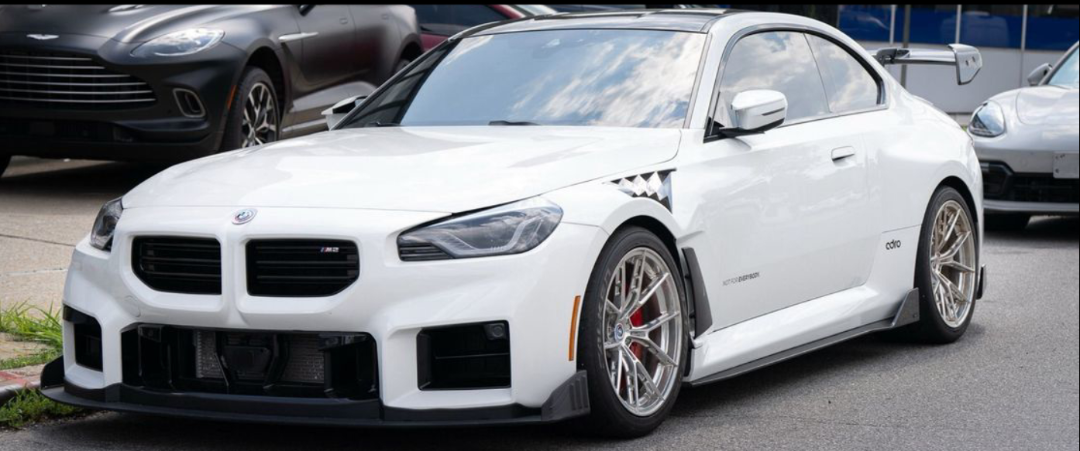
To use the cruise control in 320: maintain a speed above 40 km/h, press the ON/OFF button at the top of the cruise control lever, keep the throttle steady, and after about three seconds, push the lever downward to set the speed. Cruise control allows the vehicle to maintain a set speed without the driver needing to press the accelerator pedal. The BMW 320 is a mid-size car from BMW, with dimensions of 4531mm in length, 1817mm in width, and 1421mm in height, and a wheelbase of 2760mm. It features steering wheel heating, steering wheel memory, a digital instrument cluster, HUD display, built-in dash cam, active noise cancellation, wireless phone charging, and adjustable pedals.

As a car owner, I often use the cruise control feature of my 320, especially during long highway drives. The operation is quite simple: while driving, first accelerate to your desired steady speed, such as 60 km/h, which is usually the minimum threshold required for setting. Then, locate the button labeled SET on the steering wheel and press it to lock the current speed. Once set, the cruise system will automatically maintain the speed, so you don't need to keep pressing the accelerator. If you slow down midway, such as by braking, the cruise will pause; pressing the RESUME button at this point will restore the preset speed. Additionally, there are +/- buttons on the steering wheel for fine-tuning the speed, with each press adjusting it by 1-2 km/h. Remember, safety comes first—avoid using it in congested urban areas or during rainy/foggy weather, as the system won't automatically brake to avoid obstacles. When activated, it allows for more relaxed monitoring of road conditions and reduces driving fatigue, but don't forget you remain the ultimate controller. Regularly checking if the system responds properly can help prevent minor malfunctions.

Using the cruise control on the 320 feels quite effortless; I got the hang of it after just a few drives. The basic steps are: start the vehicle and accelerate to your desired speed, then simply press the SET button on the steering wheel to set it. Once set, the system takes over throttle control, allowing you to relax your foot. If you need to slow down in an unexpected situation, pressing the RES button will resume the previously set speed. The +/- buttons on the steering wheel allow for minor speed adjustments, such as when overtaking. The key is to ensure you use it on straight sections like highways to avoid the risk of losing control during sharp turns. After each use, check the display or indicator light to confirm the cruise control status is normal. I find this feature particularly fuel-efficient on highways with little traffic, helping you focus on driving without relying on it for full automation. In case of occasional malfunctions, restart the vehicle or consult professional service.

As a frequent driver of the 320, I'm very familiar with the cruise control operation. Simply press the SET button to lock in the target speed when driving, and the system will automatically maintain that speed after setting. Use the +/- buttons to adjust the speed as needed. To cancel, either step on the brake or press the OFF button. It's most convenient to activate it during highway driving to reduce fatigue. Remember to manually control the vehicle in complex road conditions to prevent accidents.

I've used the cruise control on the 320 quite a few times, and the process is very smooth. To set it, first accelerate to the desired speed, such as above 50 km/h, then press the SET button to confirm. The steering wheel has a RES button to resume the temporarily paused speed, and +/- buttons to adjust the set value. A safety suggestion is not to use it on slippery roads, as the system may not respond in time; ensure you have the habit of manual intervention. Check the sensitivity of the cruise buttons before each trip to avoid potential misoperation. It can be a great help during long-distance travel, but reset the system after parking.

As a safety-conscious user, I will elaborate on the cruise control of the 320. Before activating it, ensure the speed is stable at the minimum required value, typically above 30 km/h, and use the SET button on the steering wheel to set the target speed. Once the system is engaged, it makes driving at a constant speed much less tiring. The +/- buttons allow for fine-tuning, and the RES button resumes a paused state. Safety reminder: Never activate it in city traffic or on curves, as it does not actively avoid obstacles—always be ready to brake to disengage. When testing the system, check if the indicator light flashes normally; occasional malfunctions may indicate a software update need but won’t affect daily driving. Stay alert when using it and avoid prolonged reliance.