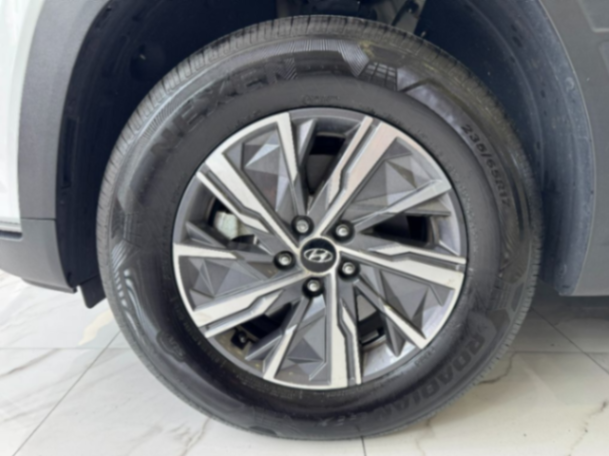
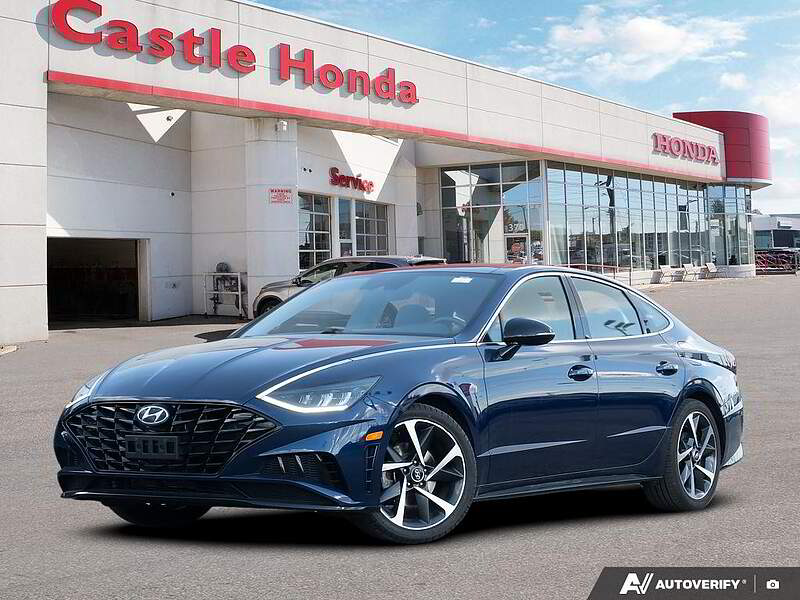
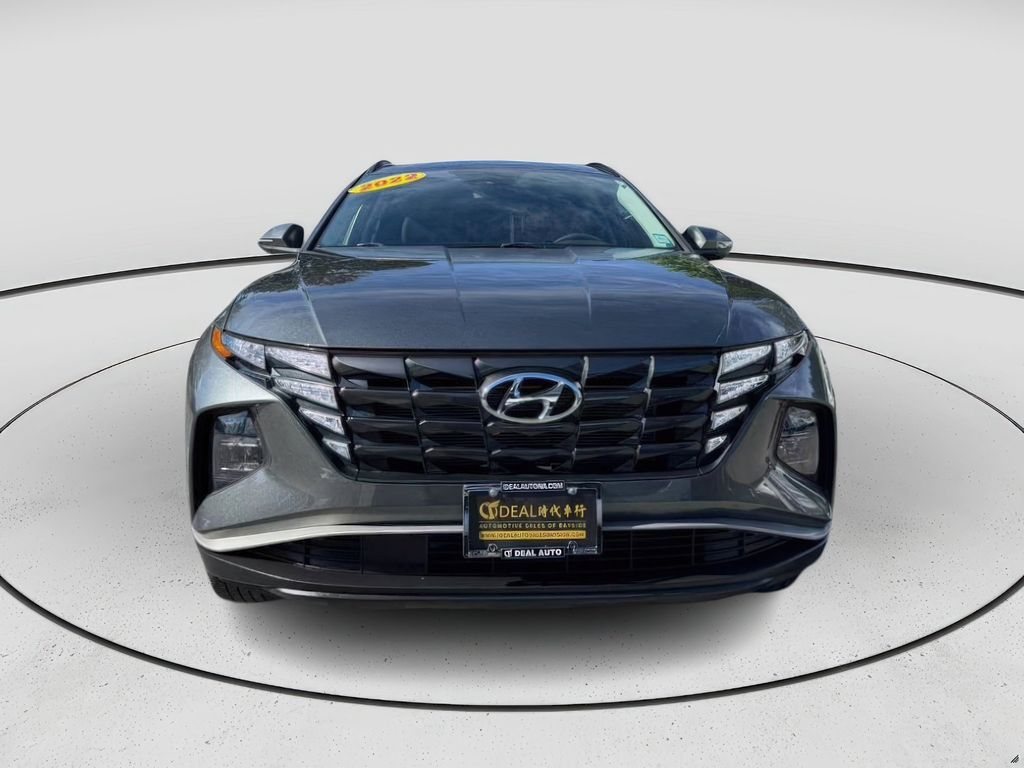
Modern ECO mode shutdown method: You can switch driving modes through the Drive Mode button inside the car. If you don't want to use ECO mode, you can directly switch to standard mode or sport mode. Many cars have three driving modes, which are energy-saving mode, standard mode, and sport mode. The energy-saving mode is also called ECO mode. The ix35 is an SUV model under Hyundai, with a length, width, and height of 4420 mm, 1820 mm, and 1690 mm respectively, and a wheelbase of 2640 mm. In terms of interior, the Hyundai ix35 uses a combination of gray and beige to create a warm home-style atmosphere. The car also excels in material workmanship, including the steering wheel, center console, and seats.

Last time I drove my friend's new Elantra, I encountered the same issue—the steering felt heavy and acceleration was sluggish. I looked down and noticed a button with a leaf symbol on the left side of the dashboard. Pressing it immediately resolved the problem. Later, I found that most models have this feature around the steering wheel: some hide it in the lower-left corner of the dashboard, while others have a standalone round button. On the highway, turning off ECO mode made the ride noticeably smoother, though fuel consumption increased by about 0.5 liters. Still, I keep it on during city traffic jams. For older models, you’ll need to navigate to 'Vehicle Settings - Driving Mode' in the infotainment screen and switch to Comfort or Sport mode.

Last week, I helped my cousin adjust his Tucson L. The green ECO button of that car is located right above the air conditioning panel. After pressing the button, the small leaf icon on the dashboard disappeared, and the throttle response became noticeably quicker. Most models allow mode switching at any time. I tried switching modes three times in a row at a red light, and the transmission didn't show any hesitation. However, when starting the car cold in winter, the ECO mode automatically activates and can't be turned off until the coolant temperature reaches three bars. Here's an interesting tidbit: driving continuously for over 50 kilometers in ECO mode actually saves more fuel than in normal mode.

My 2019 Elantra has a DRIVE MODE toggle on the center console. Pushing it up switches to Sport mode, and ECO automatically turns off. My driving instructor taught me not to stomp on the gas pedal when ECO is on, otherwise the ECU will inject more fuel instead. Some car owners accidentally press the button without realizing it and keep complaining about poor power. If you see the green ECO indicator on the dashboard, you should check the button position. Right after turning off ECO, fuel consumption may slightly increase, but it stabilizes after driving on the highway for a while.

My friend bought a Kusto last year, and its ECO switch is located on the side of the gear shift. When the air conditioning is on, the ECO mode automatically weakens the cooling effect. After turning it off, the compressor becomes noticeably more powerful. Once, while picking someone up at the airport with ECO mode on and climbing a slope, the passengers in the back complained about insufficient cooling. After turning off the mode, it became cool within two minutes. Note that some models require the engine to be running to switch modes, and turning off the engine will reset it. Page 143 of the manual usually has an illustration of the button's location.

To turn off ECO mode in the neighbor's ix35, you need to go to the central control screen, tap 'Settings', and switch the driving mode to Normal. I tried switching it in a tunnel, and the dashboard backlight turned blue. A mechanic told me: Long-term use of ECO mode on highways causes throttle carbon buildup twice as fast as in normal mode. Now I turn it off whenever I'm not on the highway, but keep the start-stop system on in the city for fuel savings. Remember to switch back to ECO in rainy weather to prevent excessive torque and slipping.