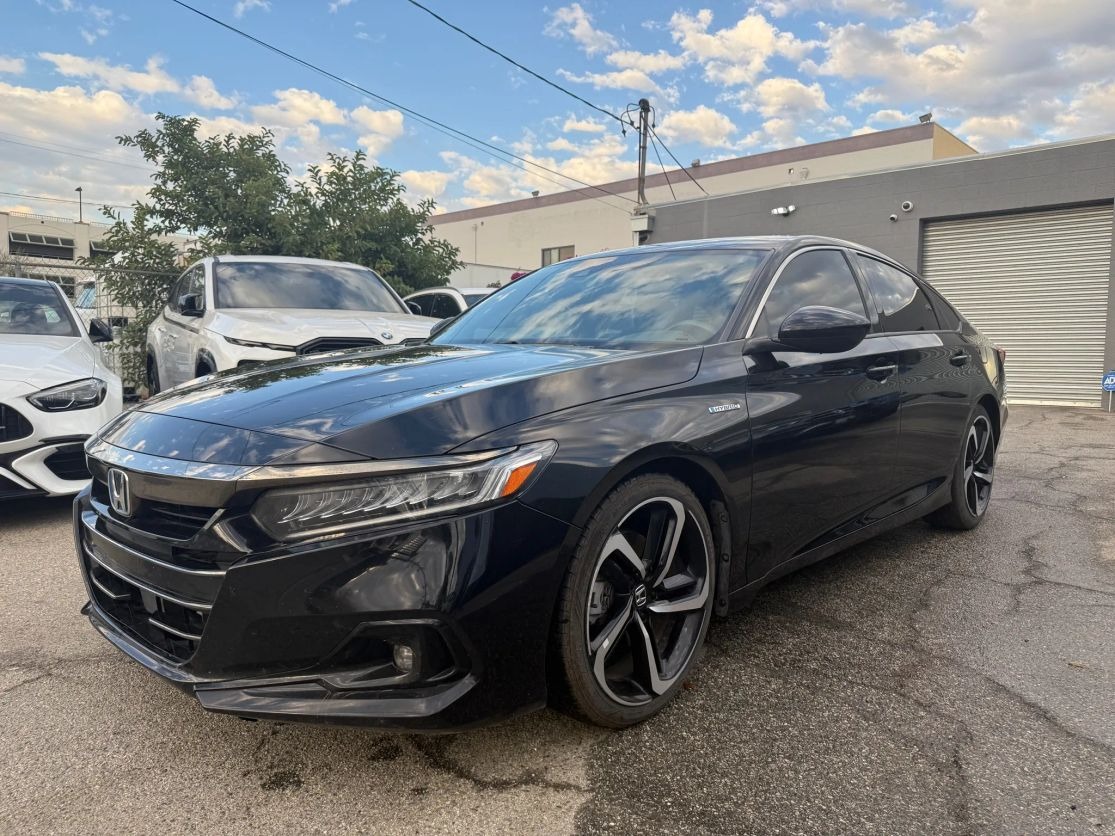
Engine carbon buildup is the main cause of car vibration. It is necessary to regularly clean the fuel system, inspect the idle air control valve, and clean the throttle body. Check the wiring promptly and replace spark plugs if necessary. Immediately inspect the fuel pump and pressure sensor, and clean the fuel pressure pipeline.

My Accord idles roughly when the AC is on, and I've experienced this issue too—it feels like the engine is vibrating. This is usually because the AC compressor operation increases the engine load, leading to unstable idling. There could be a few reasons for this. First, check the spark plugs; worn-out or carbon-fouled plugs can cause incomplete combustion, and simply replacing them might solve the issue. Next, clean the throttle body, as oil buildup can restrict airflow. Another possibility is a faulty idle control valve or mass airflow sensor—if they're dirty or damaged, they can cause rough idling. I recommend starting with simple DIY steps, like inspecting the spark plugs under the hood or cleaning the throttle body, which are low-cost fixes. However, if the shaking is severe, it's best not to delay—take it to a professional repair shop for diagnosis to avoid damaging critical engine components. Regular of the air filter and fuel system can prevent this issue and ensure smooth overall operation.

Does the car shake when idling with AC on? My Accord also had this issue, and I could feel the steering wheel vibrating while sitting inside. I believe the main causes are either the ignition system or the intake. You can check it yourself by opening the hood to see if the spark plug electrodes are eroded—replacing them is a quick fix. A dirty throttle body is also common; just spray some cleaner on it. If the idle air control valve fails, it’s worse—you’ll need to dismantle, repair, or replace it. Turning on the AC increases the load, but smooth idling is a basic function. My advice is not to ignore minor shaking, as it can lead to increased fuel consumption or even a breakdown over time. The best approach is to have a thorough inspection at a reliable repair shop. By the way, regularly replacing the air filter and maintaining the battery voltage can prevent many issues—safety first when driving.

Air conditioning-induced idle vibration in Accord demands attention. I've encountered similar cases where the core issue lies in engine instability under additional load. The simplest solution starts with spark plugs - replace them if worn or with excessive gap clearance (low-cost with quick results). Throttle body carbon buildup also restricts airflow, addressable through manual cleaning or ultrasonic treatment. Prioritize inspecting idle control components, as wear or loose wiring can cause signal abnormalities. If AC functions normally but idle remains unstable, the control unit likely requires recalibration. Recommend checking these points during every 10,000-km to avoid major repairs. Visit professional workshops promptly for thorough diagnostics to ensure driving safety.

If the engine idles roughly when the AC is turned on, stop and inspect immediately. I've encountered similar dangerous situations—when the shaking is severe, it's best to turn on hazard lights and pull over to avoid engine damage. First, check if the spark plugs are functioning properly; abnormal wear could be the root cause. Also inspect the throttle body for oil contamination or sensor malfunctions—cleaning might help alleviate the issue. If you can't fix it yourself, don't push it; take the car to a repair shop for a comprehensive diagnosis. Remember, safety comes first—unstable idle is particularly dangerous on highways. AC load triggering this problem is common in older vehicles, so regular of air filters and fuel systems is crucial. Addressing it promptly can save you big money.

When the Accord idles with the AC on, it often shakes due to a few common issues. Worn-out spark plugs are a typical culprit—replacing them usually fixes the problem. Carbon buildup in the throttle body can restrict airflow, and a thorough cleaning should resolve it. Faulty idle control valves or related sensors may also be to blame, so check for loose connections. While the AC adds load, stable idling should still be expected. My advice? Try these simple fixes first; if they don’t work, visit a professional. Regular engine prevents shaking—don’t wait until unstable idling affects driving. Safety comes first.