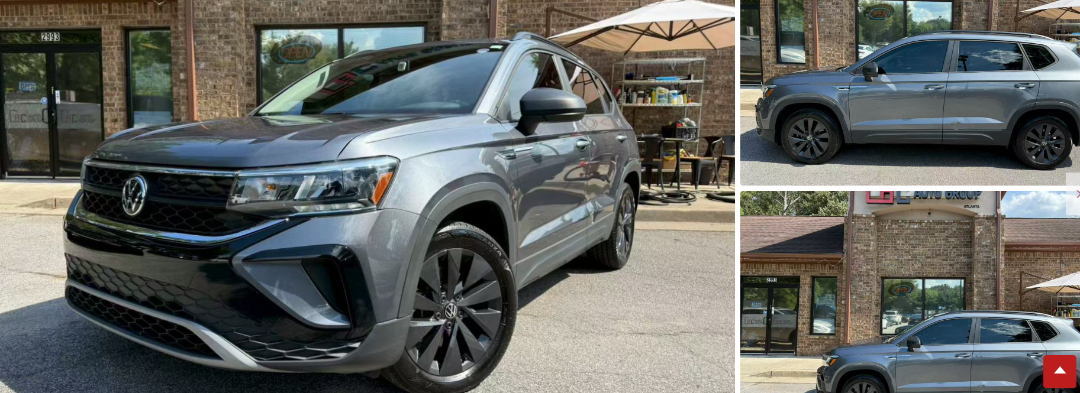
The method to check tire pressure on Tharu is: it features a passive tire pressure monitoring function, which only automatically displays information on the dashboard when there is an abnormality in the tires. The display does not show specific numerical values but only indicates which tire has an issue. The dimensions of the Volkswagen Tharu are: length 4453mm, width 1841mm, height 1632mm, with a wheelbase of 2680mm. The body structure is a 5-door, 5-seat SUV, with a fuel tank capacity of 51 liters. The Volkswagen Tharu is equipped with a 1.4T turbocharged engine, delivering a maximum power of 110kW and a maximum torque of 250Nm, paired with a 7-speed dual-clutch transmission. It adopts a front suspension type of MacPherson independent suspension and a rear suspension type of multi-link independent suspension.

A friend of mine drives a Tharu, and he taught me how to check the tire pressure: first, start the car, then press the CAR button on the steering wheel. When the menu pops up, select Vehicle Settings, then click the Tire option to see the pressure readings for each tire on the screen. The Volkswagen Tharu comes with a built-in tire pressure monitoring system that automatically displays real-time data. If the pressure is too low, a warning icon will flash on the dashboard to alert you. I think it's very important to check tire pressure regularly because both overinflation and underinflation can damage the tires and affect braking distance—safe driving depends on this. When parked, I usually use a manual tire pressure gauge to measure the front and rear tires separately for more accurate comparisons. The recommended tire pressure values for the Volkswagen Tharu are usually listed on a small sticker on the driver's door pillar—don't exceed them by too much. Remember, checking when the tires are cold gives the most accurate reading; measuring after driving for half an hour isn't reliable. Regular maintenance can save fuel and extend tire life—checking once a month is convenient and cost-effective!

I'm quite knowledgeable about cars, especially the Tharu. Checking tire pressure is simple: After starting the car, just press the SETUP button on the center console, navigate to vehicle information, and select tire monitoring to display real-time pressure. The system typically monitors every minute, providing accurate and convenient data. Incorrect tire pressure not only wastes fuel but also accelerates tire wear, posing greater risks on highways. I always take a quick glance before trips and have set up a reminder in the app. If the pressure falls below the recommended range, a warning light appears on the dashboard. It's advisable to maintain pressure between 30-35 PSI – refer to your owner's manual for specifics. I also carry a portable tire pressure gauge to manually top up when needed, ensuring smooth and safe driving.

Checking tire pressure in the Tharu is hassle-free: simply press the MENU button on the steering wheel after starting the car, navigate to the tire option in the system, and you'll see the pressure readings. This vehicle features an automatic monitoring function that provides real-time feedback. A warning light will illuminate if abnormal pressure is detected. Low tire pressure increases fuel consumption and damages tires, while excessive pressure compromises braking stability. I recommend checking when the tires are cold and consulting the manual for target values before driving. For safety, perform a manual check monthly using an affordable tire pressure gauge.

As a frequent driver, I find checking tire pressure in the Tharu incredibly simple: after ignition, press the dashboard button to bring up the menu, then select tire information under vehicle settings. The system displays real-time pressure values, and if there's an issue, the warning light automatically comes on. Tire pressure is crucial as it affects handling and durability. The target value is listed on the sticker by the door, and I recommend keeping it around 32 PSI. I always keep a tire pressure gauge in the car to manually check and top up when parked. Remember to maintain it regularly for worry-free and safe driving.

I've been driving the Tharu for several years, and the way to check tire pressure is quite intuitive: after starting the vehicle, press the steering wheel control button to enter the main menu, select vehicle monitoring, and you can see the tire pressure readings. The system updates every second, providing reliable data. Both overinflated and underinflated tires increase the risk of a blowout. It's best to check when the car is cold, and the standard values are listed in the manual. I've developed a habit of manually measuring the pressure once a month using a simple tire pressure gauge to verify the system. Safe driving starts with attention to detail, which can significantly reduce the chance of accidents.