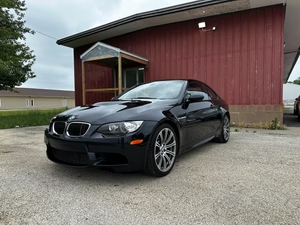
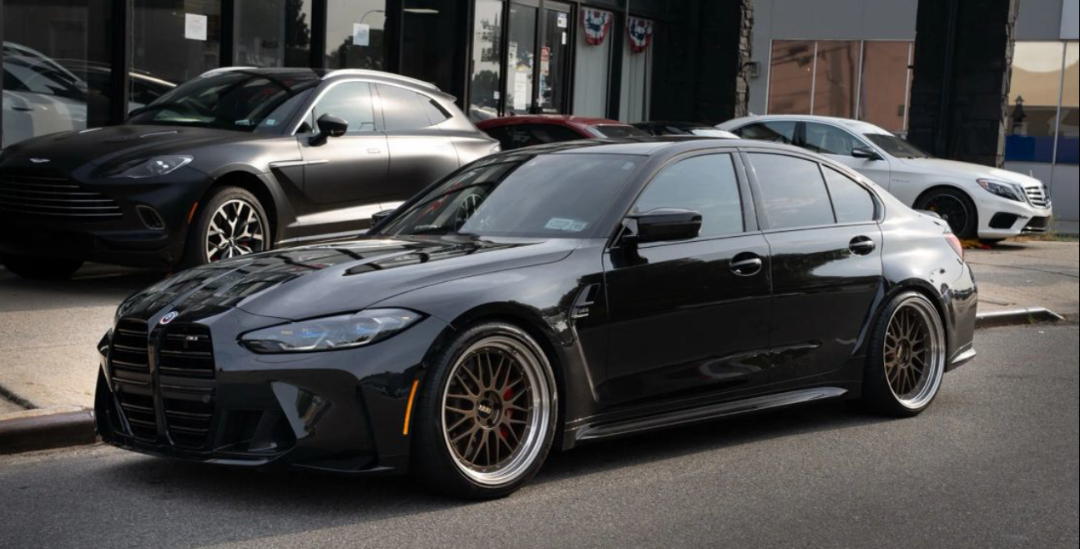
Below is an introduction to the suitable age range for purchasing a used : 1. A used BMW within 3 years is the most worth buying, followed by a 5-year-old used BMW which is relatively cost-effective. For BMWs older than 5 years, careful consideration is needed. BMWs aged 6-8 years tend to have more minor issues, such as oil leaks and engine vibrations. Used BMWs aged 8-10 years are generally not recommended for purchase. First, nearing the 10-year mark, the car is prone to numerous minor issues, making it inadvisable; second, the annual inspection costs are relatively high. 2. In the used car market, the "10-year depreciation" calculation is widely recognized. For a new car, depreciation is calculated as follows: the first 3 years at 15% per year, the next 4 years at 10% per year, and the final 3 years at 5% per year. Additional considerations when buying a used BMW: 1. Verify vehicle documents: Ensure the car's documents are complete and check for any unpaid fees or traffic violations. If documents are incomplete or there are negative records, verify the seller's ID, vehicle registration certificate, proof of origin, and license plate number. For commercial vehicles, also check if it has a road transport permit. 2. Inspect the car's condition: Steps include: looking for accident traces and hidden issues, lifting the floor mats to check for hidden body damage, identifying the car's actual age by checking the production date on the B-pillar or the total mileage (which may have been altered), inspecting the exterior for tire wear, body scratches, and engine oil leaks. Finally, take a test drive to assess the chassis, suspension, and engine performance, while listening for unusual noises or vibrations.

When a used BMW, the key factors to consider are the model year and maintenance history. I once purchased a three-year-old BMW 3 Series and found it to be quite a good deal. New cars depreciate the fastest in the first five years, and a three-year-old car still retains some luxury feel while being 30-40% cheaper. However, BMW maintenance costs are high, with parts being ridiculously expensive—for example, replacing a belt can cost thousands. You must check the maintenance records thoroughly; no major accidents or water damage is a basic requirement. Mileage shouldn’t be too high either, with 10,000-20,000 kilometers per year being reasonable. Pay special attention to the electronic systems, as common BMW issues like screen freezes or AC failures are quite frequent. The driving experience is undeniably great, with precise handling and quick acceleration, but fuel consumption isn’t low—expect around 11-12 liters per 100 km in city driving. Don’t skip a full pre-purchase inspection, and finding a reliable seller or dealership is the easiest route. Safety-wise, ensure the airbags and braking systems are fully functional. Overall, the best value is found in 3-5-year-old cars; anything older than six years isn’t recommended, as it may not be cost-effective and could bring more hassle.

Having browsed the market for years, I find 3-5 year-old used BMWs to be a cost-effective choice. Their steep depreciation curve means they lose value quickly—often dropping to 30% of their new car price—so buying used saves a fortune. But don’t just focus on the price; pay close attention to maintenance history. BMWs often have minor issues like faulty ignition coils or turbochargers, and repairs can easily cost tens of thousands. I recommend checking the VIN for accident records and listening for smooth engine sounds during a test drive. Check tire wear for uniformity, which hints at daily usage intensity. After purchase, budget around 5,000 annually for maintenance funds, as oil and filter changes are frequent. Keeping mileage under 100,000 km is safer, and newer models have more stable electronic systems. Enjoy the driving experience, but consider space practicality for family use. Resale value holds up decently, so losses are minimal after 3-5 years. Overall, it’s a smart buy but requires careful screening.

As a homemaker, I chose a used when buying a car—a four-year-old X1. Safety comes first; checking airbag functionality and braking distance, with no accident records, is crucial. A car aged 3-5 years is more reliable; beyond that, minor issues like stuck power windows or faulty air conditioning are more likely. Maintenance costs are on the higher side, but BMW's brand quality is indeed excellent, with smooth handling that keeps kids stable in their seats. Mileage under 100,000 km is ideal, with minimal interior wear being a plus. Fuel consumption is around 12 liters in the city, more economical on the highway. Before purchasing, have a professional inspector check it thoroughly—don’t overlook potential issues for the sake of a bargain. After driving for two or three years, it can still retain 50-60% of its value, making it a practical choice if your budget allows.

I've always loved driving BMWs. After a three-year-old used 5 Series, the driving experience is absolutely amazing! It handles flexibly with quick acceleration, and the interior quality is almost as good as new. The sweet spot is within the first five years, with prices dropping around 30%. However, don't neglect maintenance—BMW parts are as expensive as gold, so regular oil checks and electrical system inspections are a must. Lower mileage is better; under 150,000 km is fine, but pay attention to transmission smoothness and shock absorber condition. Long-term use might bring more minor electronic issues, which can be tedious to fix, but the driving pleasure makes up for it. The brand holds its value decently, and you can still get a good price after three to five years. It gives you face when driving out, but the slightly higher fuel consumption takes some getting used to. Before buying, check the vehicle history report and test-drive all performance aspects—don't rush into a 'bargain' without due diligence.

As someone who often helps friends and family with car repairs, I recommend a used BMW that's 3-5 years old. Newer models have fewer risks, especially since the engine and transmission haven't reached the aging period yet. The key is to check the maintenance logs to confirm no major repairs or collisions. An engine light that has come on is a red flag, and during the test drive, listen for any unusual noises or lack of smoothness. Electronic systems are prone to faults, such as navigation freezing or door lock issues, so avoid high-mileage cars. Budget for maintenance by setting aside some money each month; annual upkeep for a BMW typically costs several thousand yuan. For safety, always check the airbags and brakes. Overall, it's a cost-effective choice but requires a thorough inspection like mine-sweeping to ensure everything is in order, and you can drive it reliably for five years.